By
Michael Bird
•
7
min read


Victoria’s apartment sector is entering a new phase of consumer protection. The introduction of both the government’s strata bond and Resilience Insurance’s latent defects insurance (LDI) framework marks one of the most significant shifts in the state’s off-the-plan market in years.
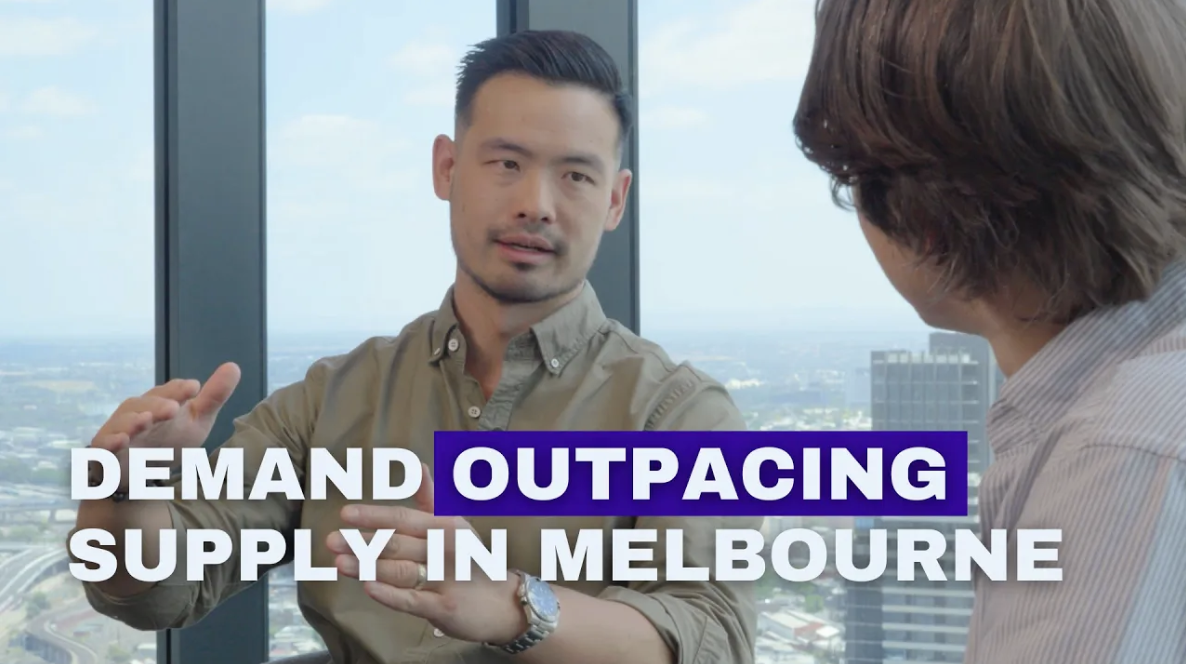
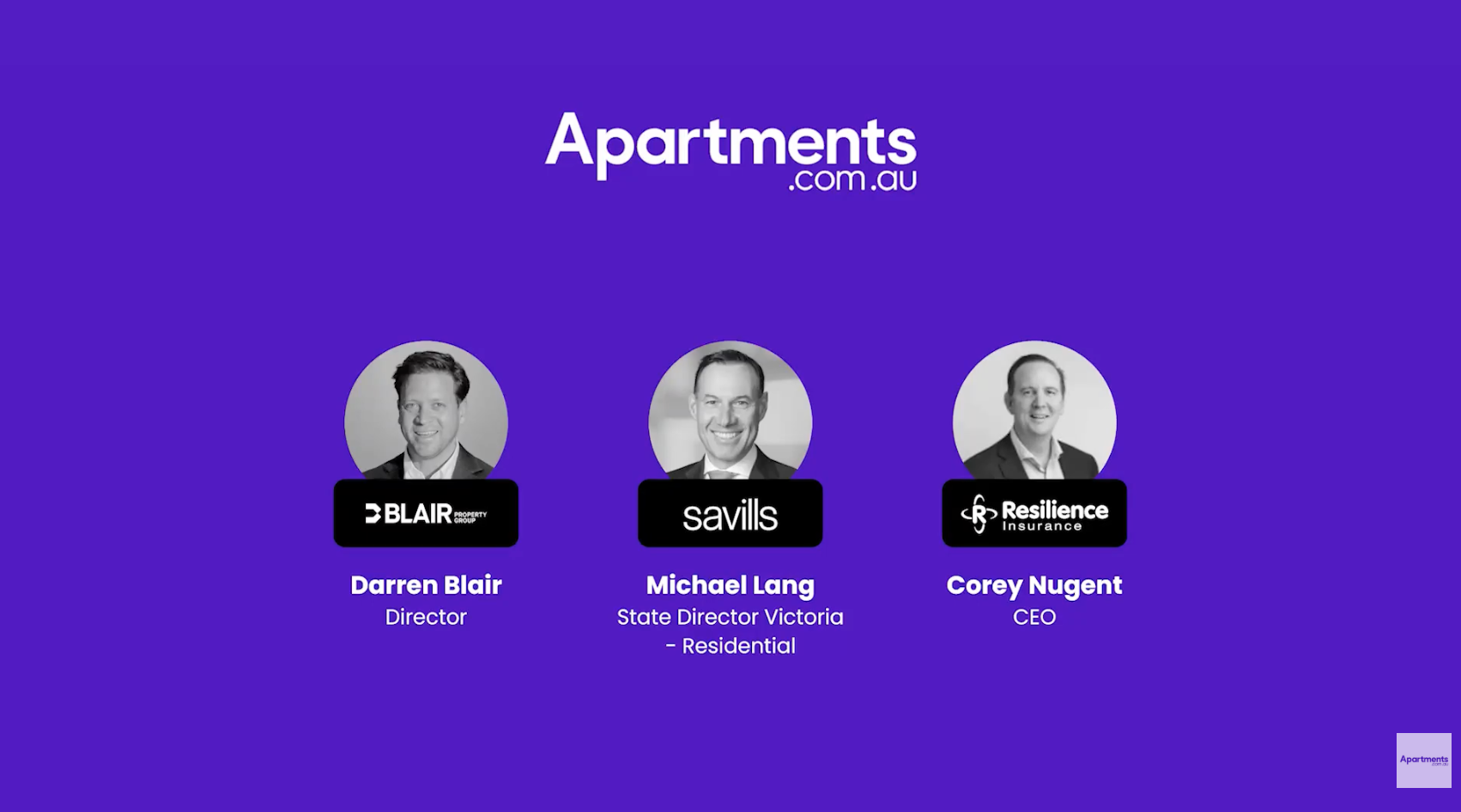
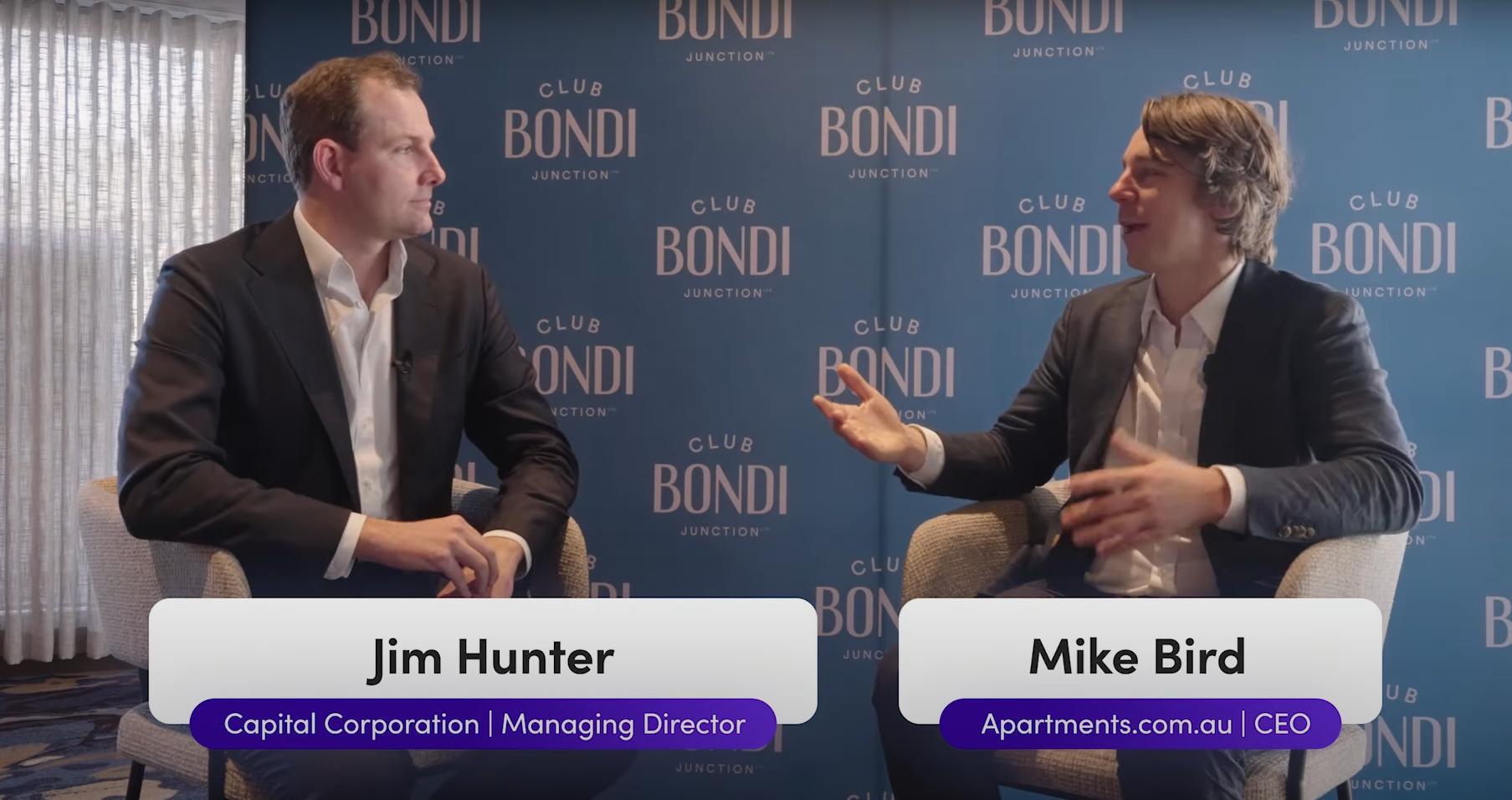
In Episode 115 of Market Insights, Apartments.com.au CEO Mike Bird speaks with Corey Nugent, CEO of Resilience Insurance, about what these changes mean for consumers, developers and the broader property industry.
Nugent explains that Victoria’s reforms are designed to lift trust and transparency in apartment development.
“The government has moved quickly this year, passing legislation to introduce a strata bond, while we’ve been working closely with them to bring Resilience LDI into the framework,” he says. “It dramatically changes the consumer protection piece.”
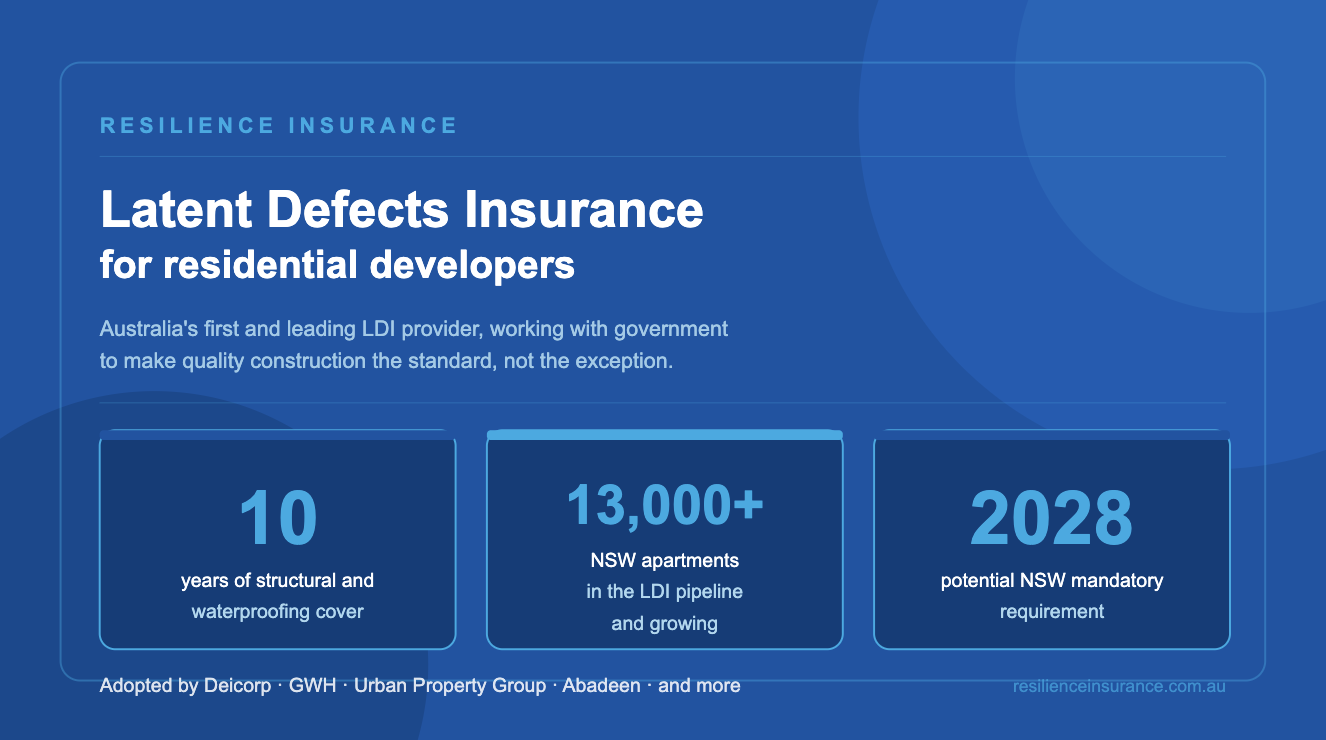
For apartment buyers, the outcome is confidence and certainty. Latent defects insurance protects owners from the risk of major defects for up to ten years after completion. It provides full cover from the first resort, meaning there is no need for lengthy litigation to determine who is responsible before a claim can be made.
“Consumers no longer carry the cost of defects,” Nugent adds. “We pick up the pieces when something goes wrong.”
This model has been highly successful in overseas markets and its introduction to Victoria is seen as a major step forward for consumer protection.
While the government bond is a positive move, it has limitations. Bonds typically cover only a small proportion of the building’s value and expire after a short period.
“A bond is a great step forward but it only provides limited protection for a few years,” Nugent says. “That is why the Victorian government is keen to include latent defects insurance, which offers full cover for the building value and for a much longer period.”
In practice, the LDI model provides broader coverage and a faster, simpler claims process. When a defect is identified, the policyholder can make a claim immediately rather than pursuing complex legal action.
For developers, the first reaction may be concern about another layer of cost. However, Nugent outlines how LDI creates efficiency and ultimately delivers savings across the project lifecycle.
“The bond will likely be set at around two per cent, similar to New South Wales, and that cost will be fixed regardless,” he explains. “The advantage with LDI is that our inspection program operates throughout construction, identifying risk issues before they become expensive problems.”
This proactive approach is already demonstrating measurable cost savings for builders and developers who use the program. The insurance also costs less than the two per cent bond while providing full ten-year protection.
According to Nugent, the product also has a marketing benefit. Data from projects listed on Apartments.com.au shows a clear increase in buyer inquiries and confidence when a listing includes LDI protection.
“We can see the uplift in inquiry and conversion when the product is visible,” Nugent says. “For developers, that turns what could be seen as a cost into a real sales advantage.”
Resilience Insurance’s LDI product is only available to qualified builders and developers who meet strict quality criteria. This ensures that the coverage supports strong construction standards rather than enabling poor practices.
“We are backing good builders,” Nugent explains. “Those driving prices down through low quality will not qualify for this product. They will need to go down the bond route instead.”
This approach not only strengthens consumer trust but also rewards developers who invest in quality delivery.
Although some developers may resist the initial introduction of the strata bond, Nugent believes that the Victorian market will soon follow the path of New South Wales, where LDI has seen rapid adoption.
“We know the bond is coming and that builders will dislike the additional cost,” he says. “But once they see the benefits, as their counterparts in New South Wales have, adoption will follow.”
Bird agrees that private sector solutions often achieve better outcomes than regulatory mandates.
“It is good to see a private insurance product providing both protection and efficiency rather than relying entirely on government intervention,” Bird notes.
Victoria’s new consumer protection measures signal a significant evolution in how the apartment market manages construction quality and risk. Latent defects insurance provides:
As Nugent concludes, this is not only about compliance but also about trust.
“It is incredibly exciting to bring this product to Victoria and protect consumers and apartment buyers,” he says. “It gives both developers and purchasers the confidence they deserve.”
.jpeg)
Speak to the team about leveraging the Apartments.com.au audiences and services for your new development.

Greg Billings
Director of Residential Projects

Sonia Fava
Director

Nick Clydsdale
Senior Director

Heath Thompson
Director

Todd Matheson
Director

Thomas Panson
Project Sales & Marketing Agent

Scott Jessop
Head of Sales & Marketing

Alex Adams
Head of Sales & Marketing and
Head of New Business















.jpg)






.png)





-03.png)









.png)

.png)

.png)








_page-0001.jpg)

.png)










.png)




.png)


-01.png)


