By
Michael Bird
January 21, 2026
•
29
min read


LinkedIn Live Interviews: https://www.linkedin.com/in/michaeljbird/recent-activity/events/
After a year many in the industry dubbed “survive till 2025”, Melbourne’s apartment market is showing early signs of renewed confidence. Inquiry volumes are up, settlements are flowing and, quietly, pricing has recalibrated to a new normal.
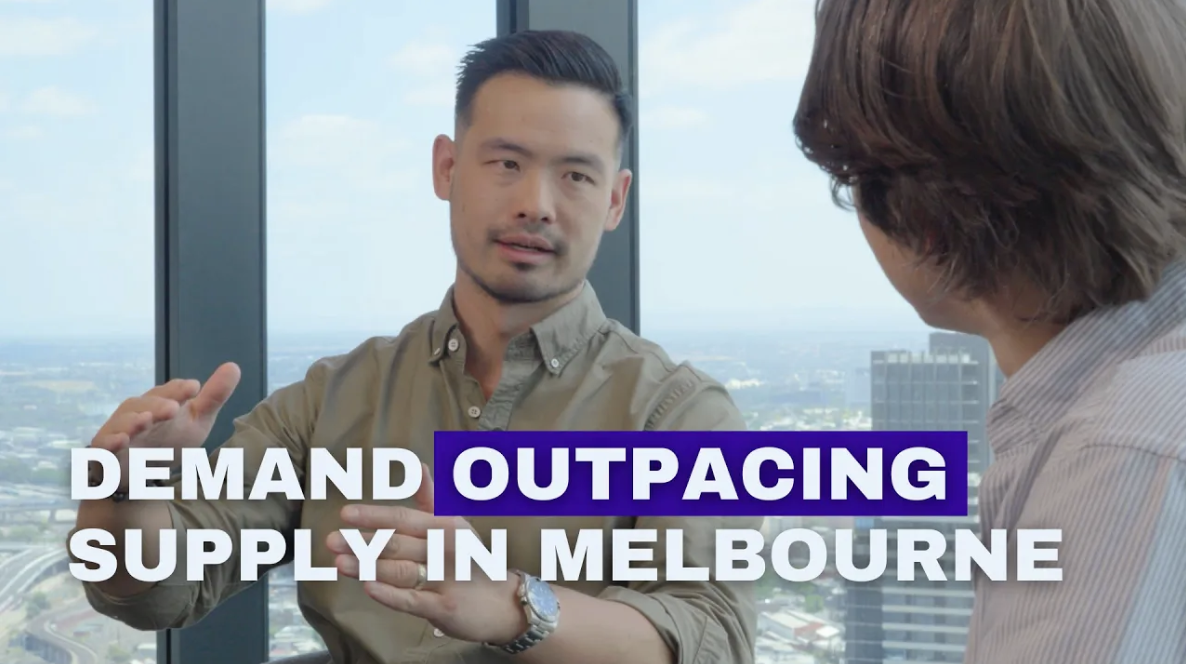
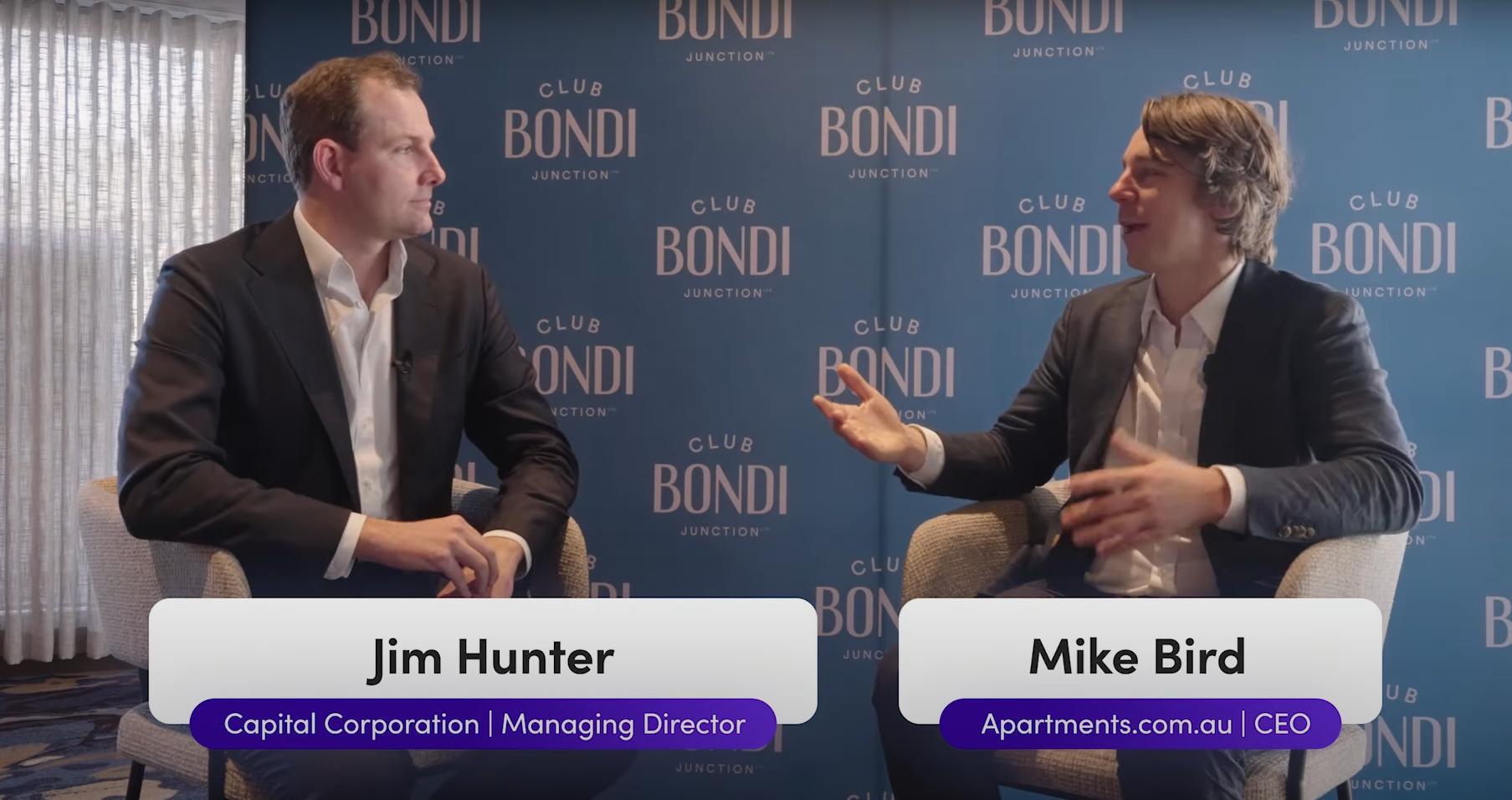
In a recent Apartments.com.au live session, Darren Blair, founder of Blair Property Group, joined CEO Mike Bird to unpack what’s really happening on the ground, from St Kilda Road’s revival to the role of AI in sales, and why Melbourne may be the country’s most compelling investment story in 2026.
Nationally, buyer leads have jumped sharply year on year over the past 30 days. Blair says that momentum is being mirrored across his projects, with a caveat.
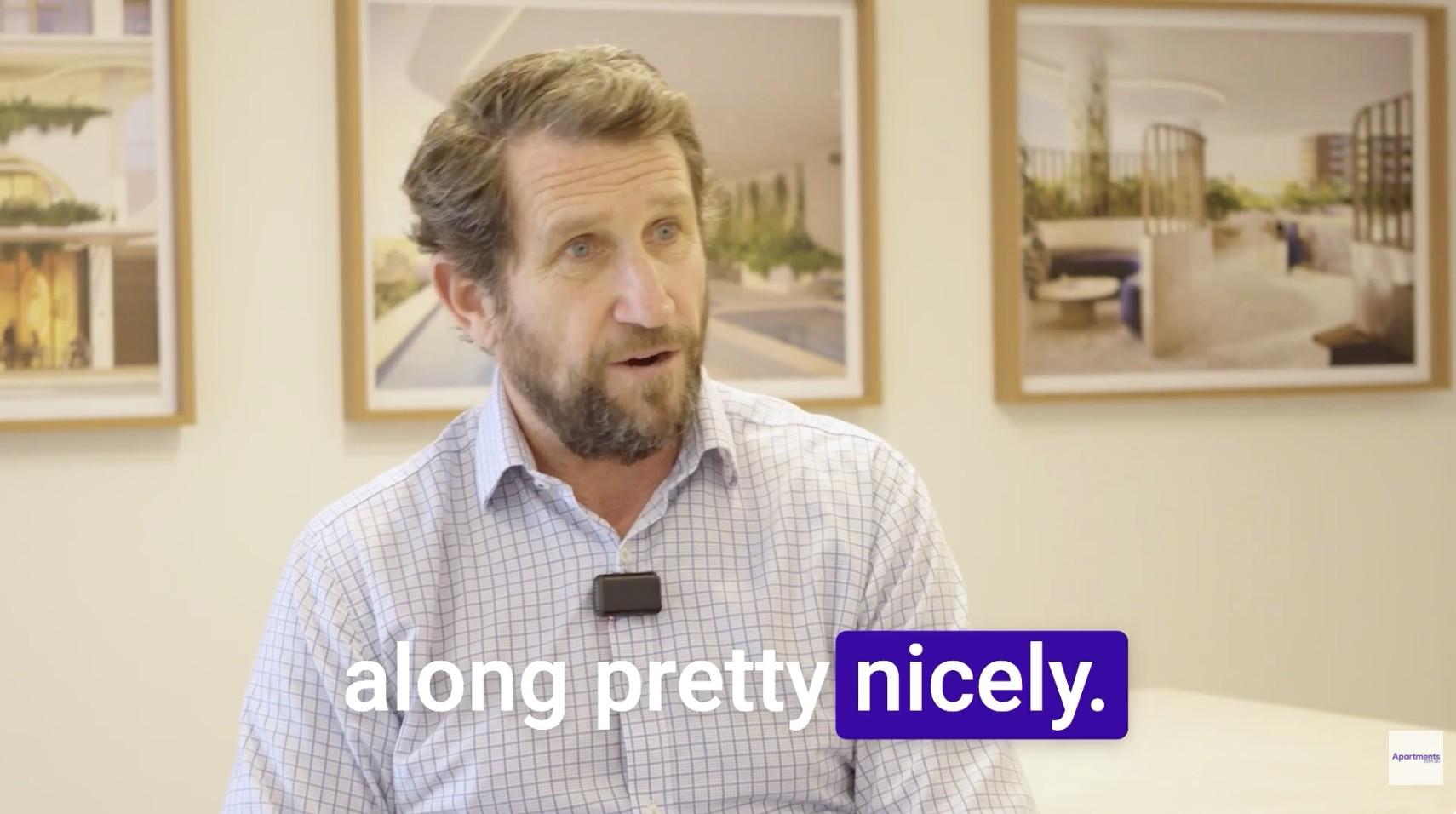
“I think through the board we’ve seen quite a strong start to the year from an inquiry perspective,” he said. “Time will tell over the next few weeks how many of those inquiries are actual real buyers versus sitting on the couch over the break with hopes and dreams.”
It’s a fair call. January often brings a spike in activity, but the true test is conversion. Encouragingly, that’s already occurring in completed projects, where buyers can physically inspect and move quickly.

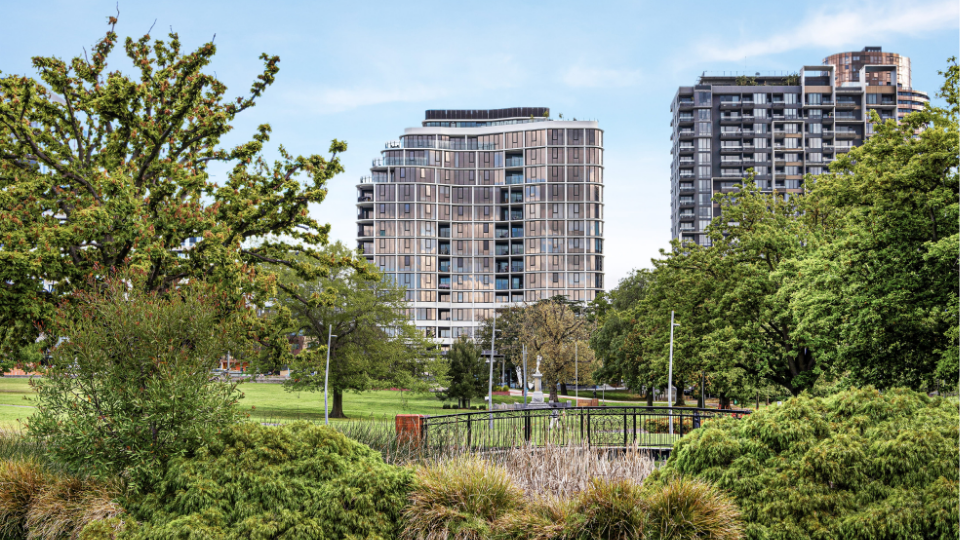
Two Blair Property Group projects reached completion over summer: Louise on St Kilda Road, comprising 89 apartments, and Adamson in Brighton, a 15 residence luxury development.
Louise saw the bulk of settlements finalised mid January, with residents now moving in.
“It’s always good to see a building go from an idea three years ago to actually having people living in the building,” Blair said. “Seeing everyone in the lobby and watching them move into their apartments has been super exciting.”
Adamson has also largely settled, reinforcing demand at the upper end despite a softer 2024.
Overall, Blair describes the market tone as “pretty stable but positive” in the opening month of 2026.
Few precincts symbolise Melbourne’s apartment cycle like St Kilda Road. After several years of stalled projects and muted activity, the boulevard is firmly back in play, this time driven by luxury residential.
“There’s been a definite revival over the last little while,” Blair said. “Louise came to market, then several other projects launched, which is great to see.”
With B and C grade commercial stock under pressure and limited reinvestment flowing back into ageing office assets, the shift towards residential appears structural rather than cyclical.
While office to residential conversions remain challenging from both a financial and compliance perspective, Blair sees demolition and redevelopment of lower grade commercial stock as the more viable pathway over time.
For developers watching the pipeline, the reactivation of this iconic corridor sends a broader signal. Confidence is returning to well located, premium product.

Perhaps the most significant structural shift is pricing.
After post pandemic cost blowouts forced one recalibration, Blair says the market has adjusted once more to reflect construction and finance realities.
“Projects basically can’t get out of the ground in local areas for under 16, 17, 18, 19, 20 a metre in some cases,” he said. “We’ve seen this new pricing for Melbourne, which is pretty cool to see, but it does present its own challenges.”
The challenge, of course, is competing with older, established stock priced in a different cost environment. For new projects, differentiation through design, location and amenity has never been more critical.
At the same time, Blair is seeing a broader spread of product coming forward, from middle market townhouses to 2 to 10 million dollar luxury apartments, suggesting developers are backing Melbourne’s medium term outlook.
While offshore investor activity has fallen sharply, Blair cited industry data suggesting foreign buyer settlements dropping from around 4 per cent to closer to 1 per cent, domestic capital is filling the gap.
National channel groups are increasingly directing attention to Melbourne, attracted by relative value and rental performance.
In projects such as Louise, gross yields between 5 and 6.2 per cent are being achieved from day one, a compelling story in a city many view as undervalued.
The thesis is simple. Strong rental growth now, with capital upside if Melbourne’s pricing gap to Sydney and Brisbane narrows over time.

Brighton had a tougher run in 2024, with multiple boutique projects competing for a finite downsizer pool. Blair believes the suburb needs a short lull in new supply before the next wave resets pricing and momentum.
“I do actually believe in Brighton,” he said. “It’s a captive audience of people having to exit and downsize. People don’t want to leave Brighton.”
The same logic applies across Boroondara and Melbourne’s eastern blue chip suburbs. The established apartment market is shallow, and while downsizers are cautious, particularly when broader economic confidence wavers, the underlying demographic driver remains intact.
Add 50 additional off the plan sales in one of these tightly held suburbs and, as Blair notes, “all of a sudden it soaks up a lot of the stock that’s currently there”.
While pricing and demand cycles evolve gradually, Blair believes the most dramatic change this year will be technological.
“I think the big change at the moment is going to be in the technology piece,” he said. “The ability to generate marketing, to build websites, to turn static renders into moving renders, what used to take weeks is now taking minutes.”
From AI powered lead nurturing to automated content generation, the cost and speed of launching projects is dropping. Agents who embrace these tools will scale faster, while face to face negotiation remains central to closing complex, high value transactions.
“The fundamentals won’t change,” Blair said. “But the top of the funnel stuff is going to change.”
Blair describes Melbourne as sitting around 7.30 on the property clock, rebuilding rather than booming, but trending upward.
If inflation remains contained and interest rates stable, he expects 2026 to outperform 2025, with the second half of the year potentially gaining more momentum.
The Gold Coast and Western Australia may run hotter in the short term. Sydney may edge ahead. But Melbourne, he argues, is firmly on the improve.
After several years of recalibration, the city’s apartment sector appears to have found its footing. Not exuberant. Not overheated. But stable, active and increasingly confident.
For developers and project marketers who endured the survive phase, that alone marks meaningful progress.

.jpeg)
Speak to the team about leveraging the Apartments.com.au audiences and services for your new development.

Greg Billings
Director of Residential Projects

Sonia Fava
Director

Nick Clydsdale
Senior Director

Heath Thompson
Director

Todd Matheson
Director

Thomas Panson
Project Sales & Marketing Agent

Scott Jessop
Head of Sales & Marketing

Alex Adams
Head of Sales & Marketing and
Head of New Business
















.jpg)






.png)





-03.png)








.png)

.png)
.png)








_page-0001.jpg)

.png)









.png)




.png)


-01.png)


