By
Michael Bird
February 20, 2026
•
17
min read

.png)
If there is one word that keeps resurfacing in conversations about the apartment market, it is confidence.
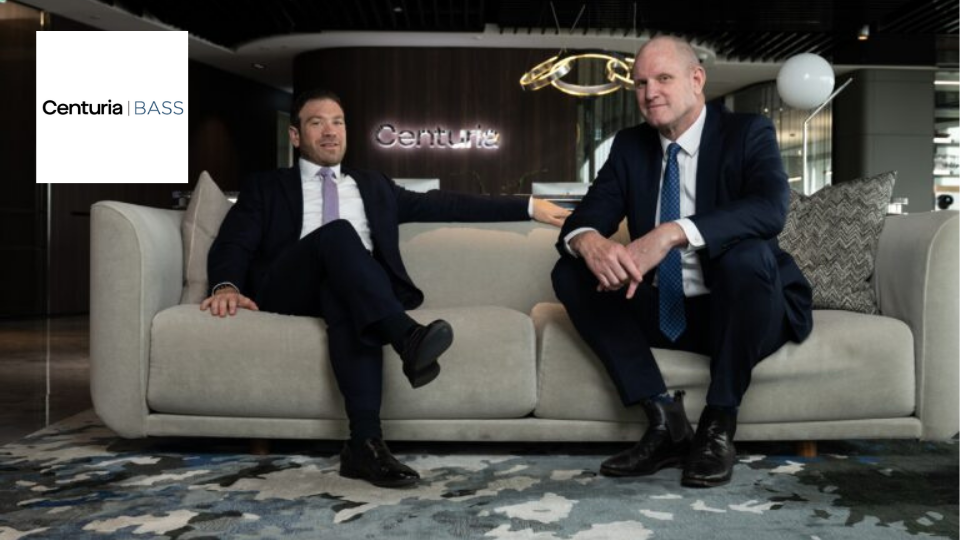
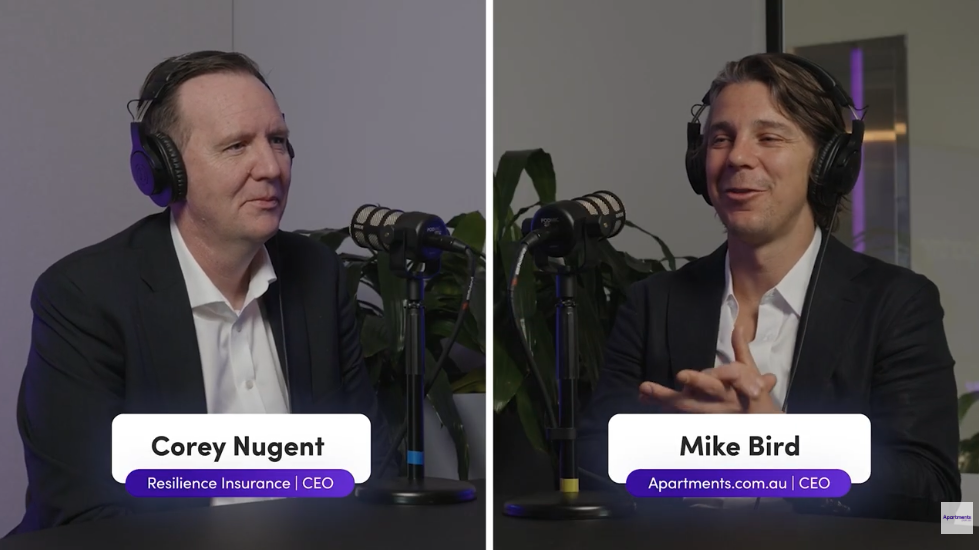
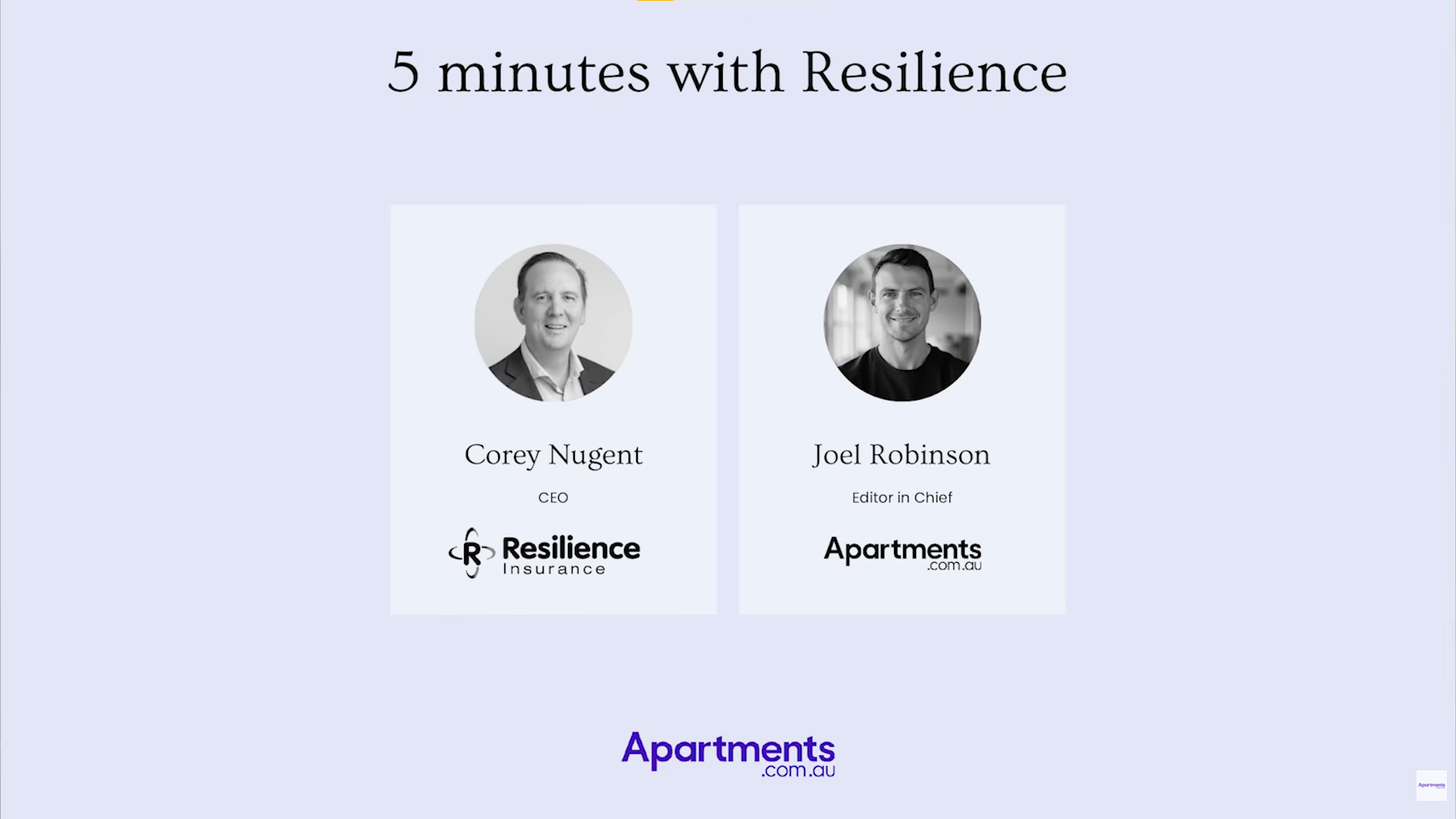
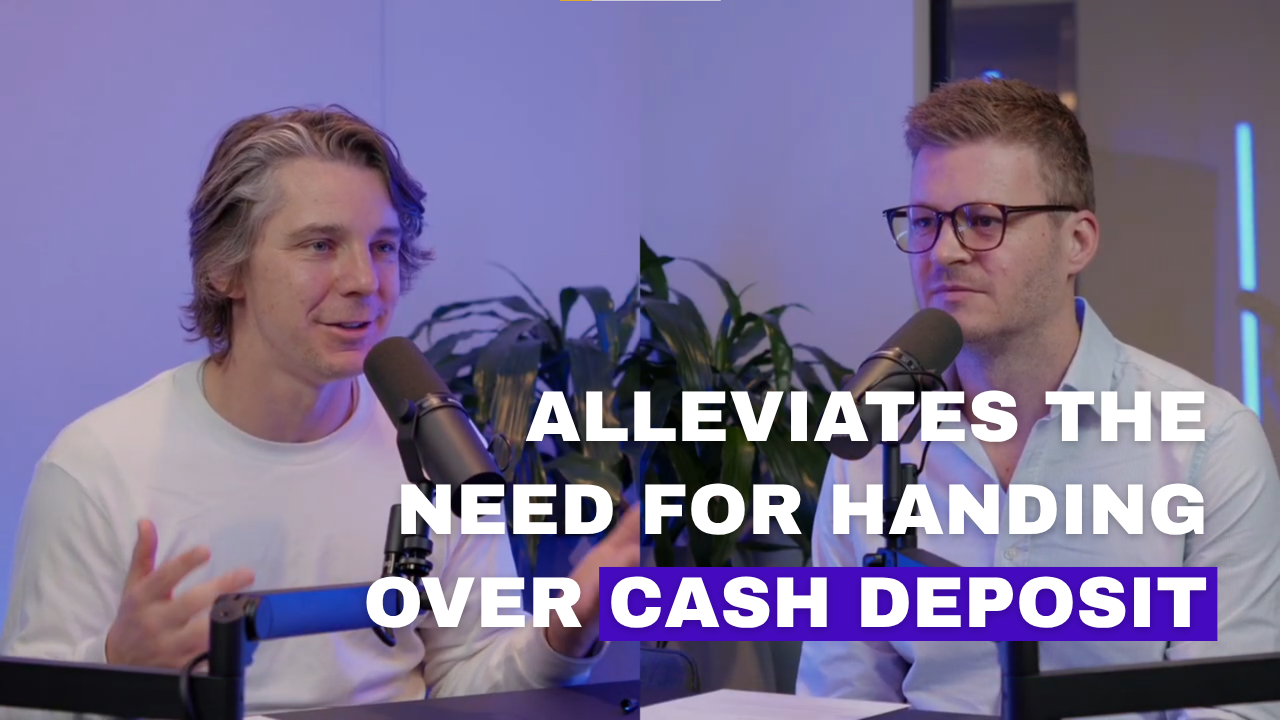
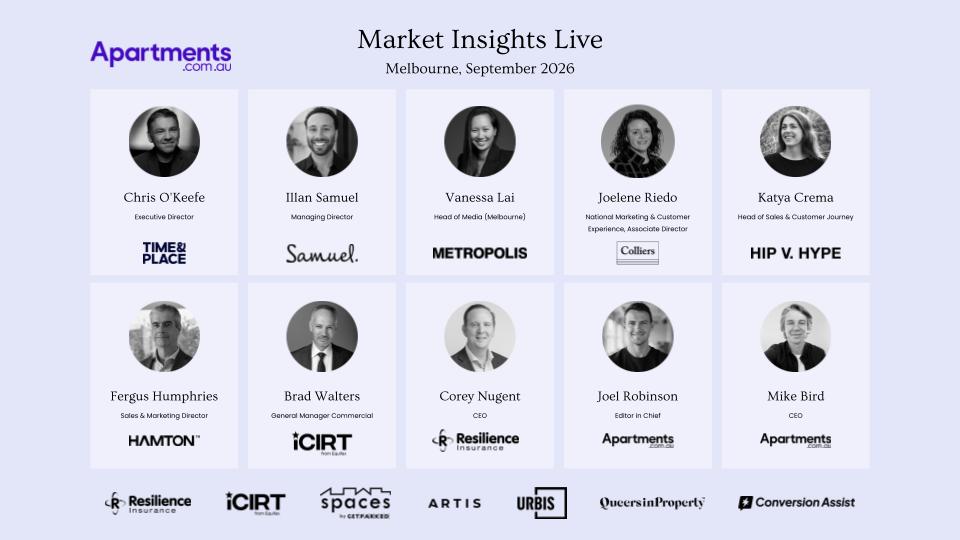
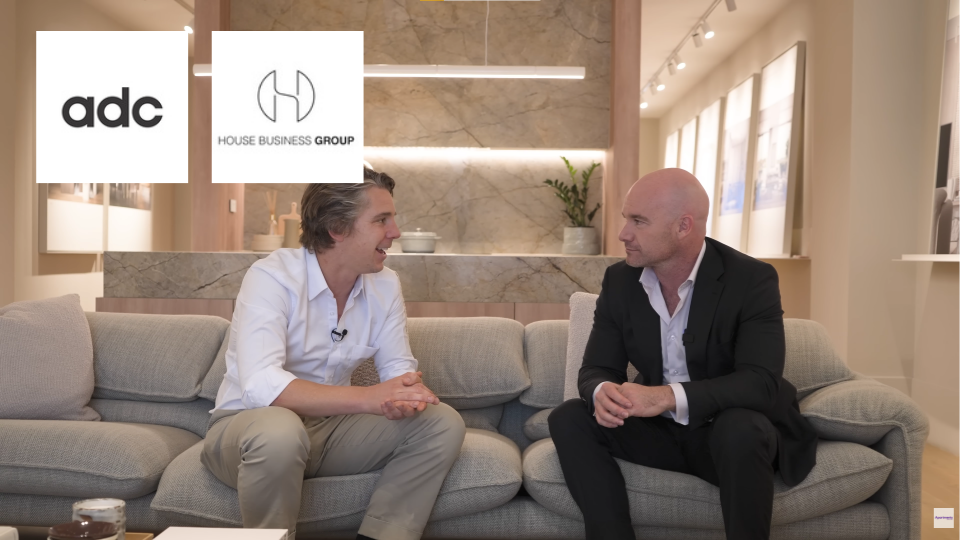
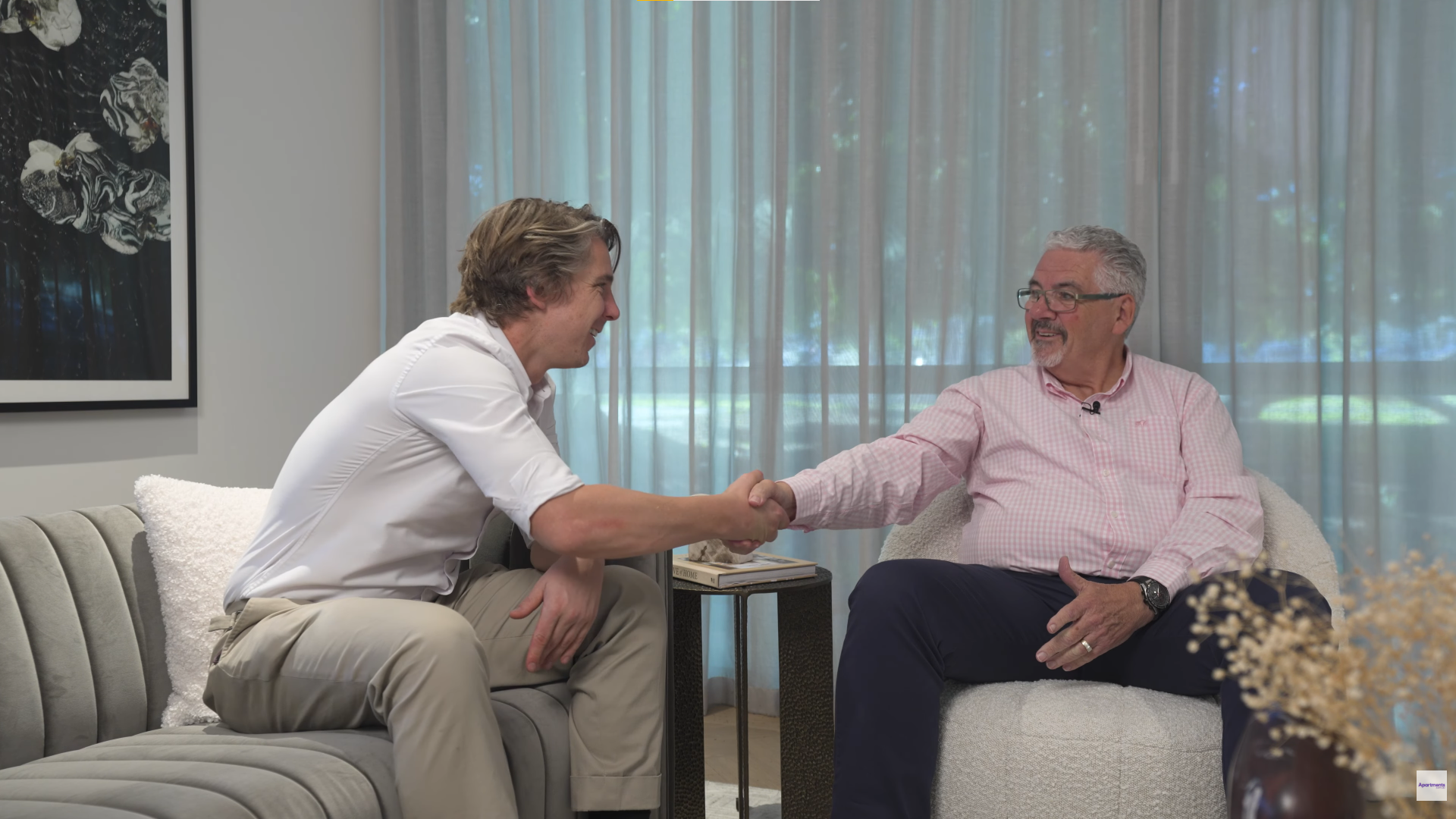
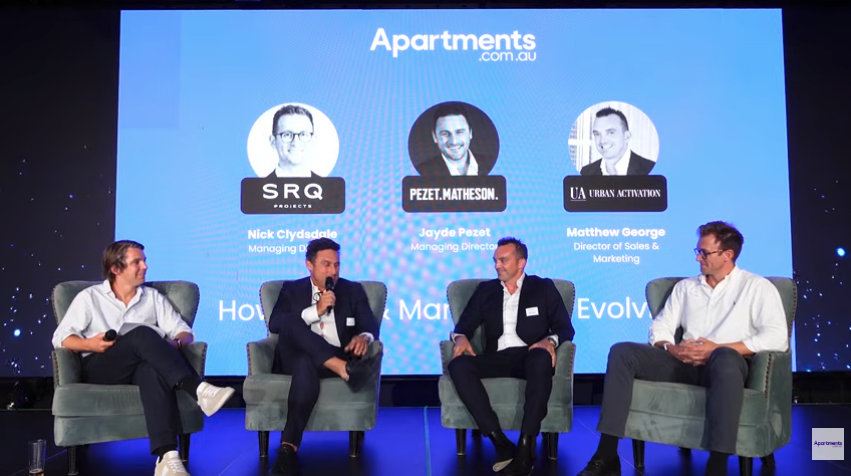
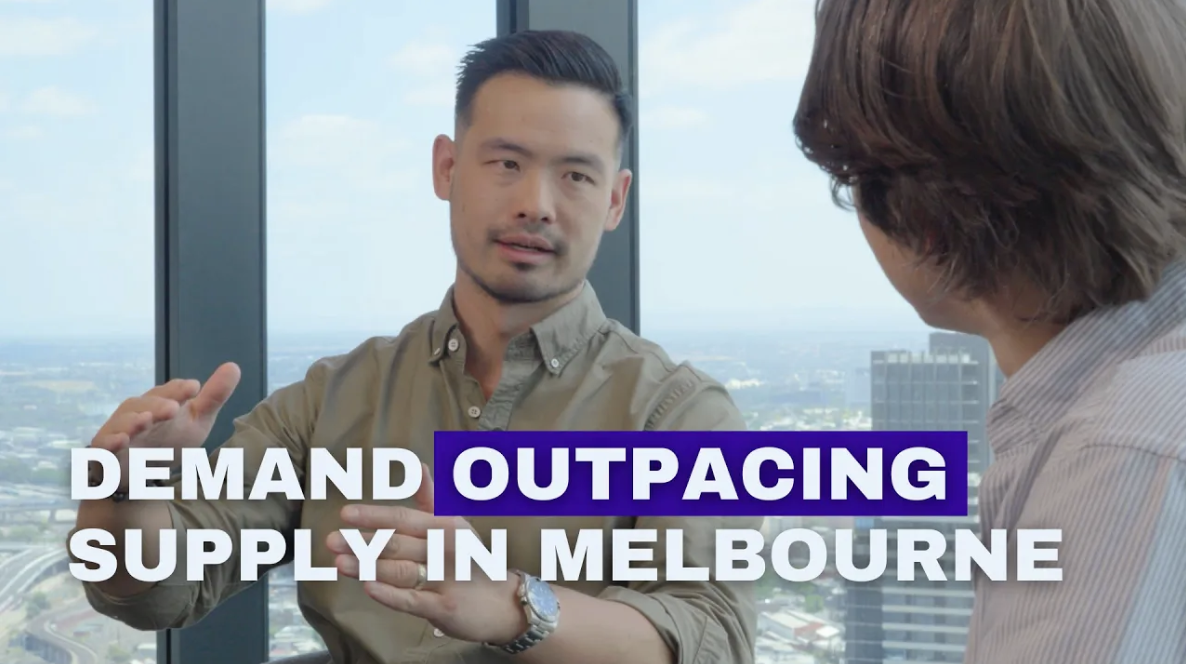
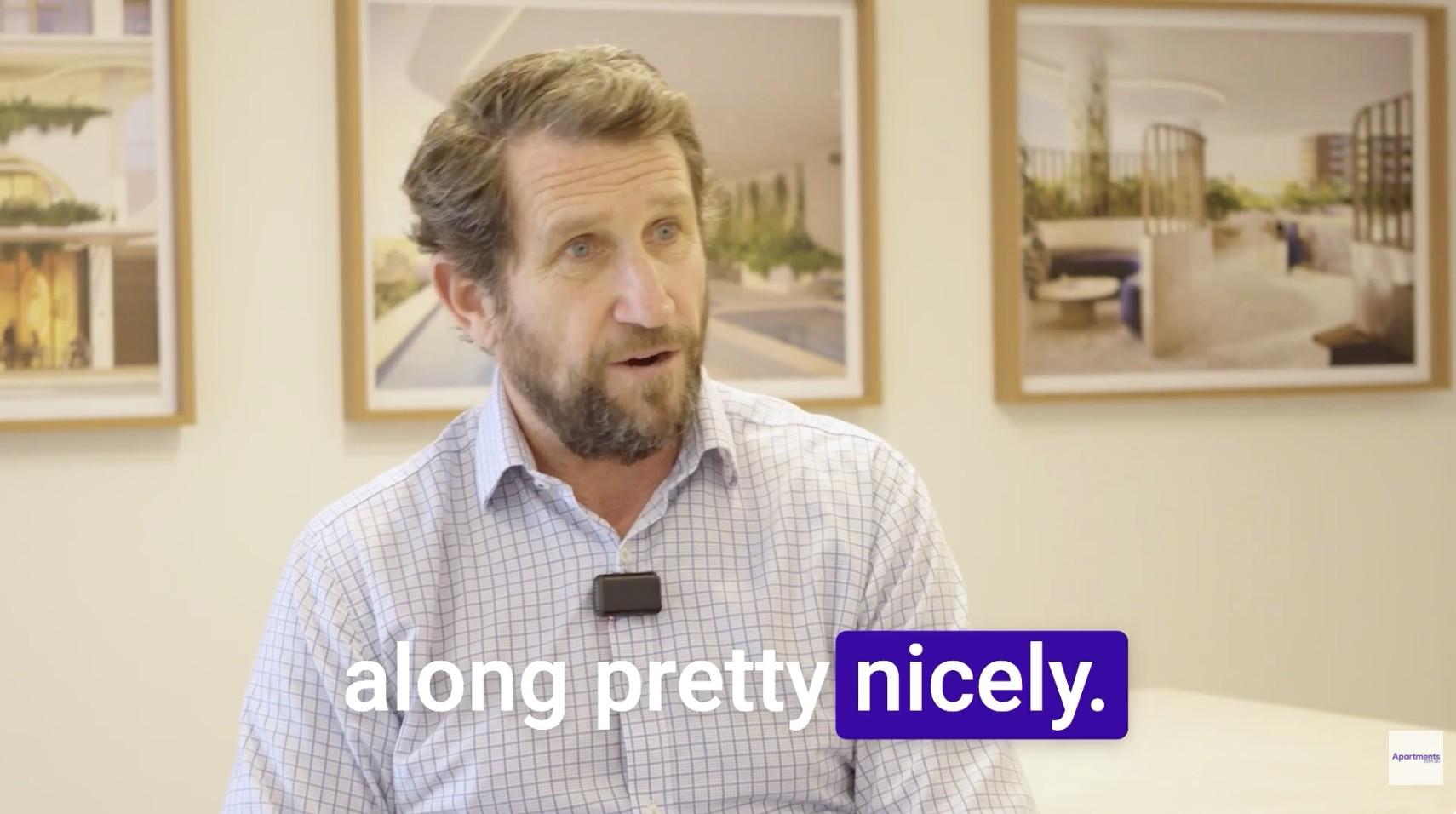
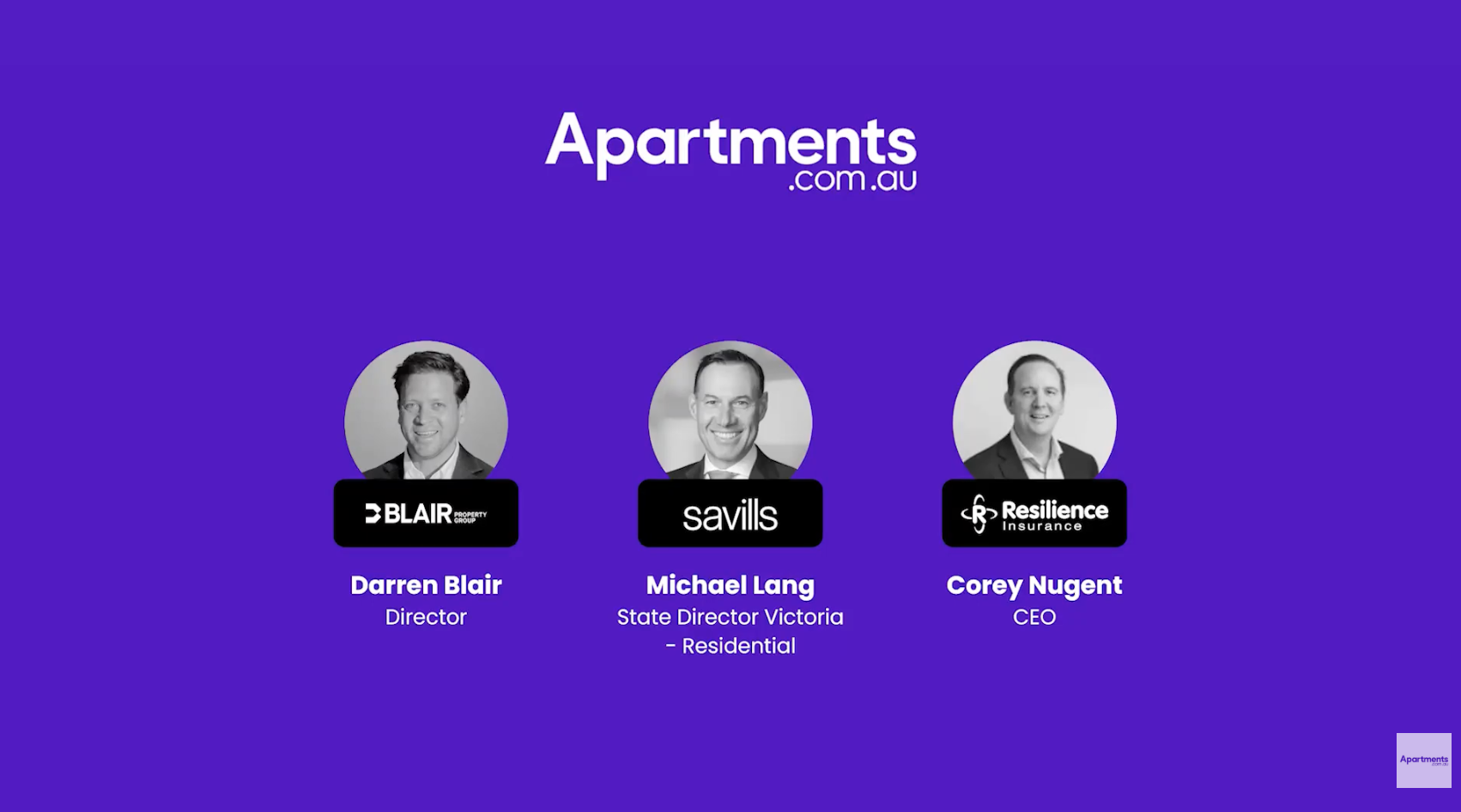
At our recent VIC Market Insights event, Mike Bird sat down with David Giffin, newly appointed CEO of Centuria Bass, and Corey Nugent, CEO of Resilience Insurance, to unpack how capital and risk are shaping development decisions in 2026.
The discussion ranged from funding appetite and market selection through to latent defects insurance and its growing role in unlocking buyer demand. While challenges remain, both speakers pointed to early signs that Melbourne may be edging back into favour.
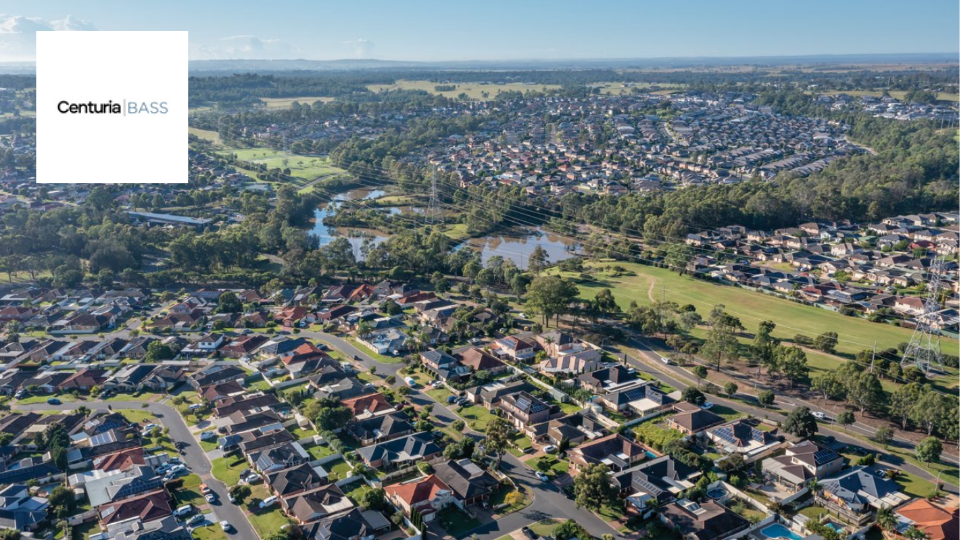
For much of the past few years, the narrative around Victoria has been defined by taxes, levies and subdued sentiment. But as other states encounter their own constraints, Melbourne’s relative position is shifting.
According to Corey Nugent, Melbourne is increasingly being viewed interstate as an attractive re-entry point. Southeast Queensland continues to see strong demand, but escalating construction costs and difficulty securing builders are tempering enthusiasm. Sydney remains large and resilient, yet expensive and slowed by planning delays. Western Australia is buoyant but closely tied to resource cycles.
Against that backdrop, Melbourne’s pricing and depth are beginning to look comparatively compelling.
David Giffin agreed that value will eventually correct imbalances between cities. In his view, it is difficult to justify Brisbane, with a population less than half of Melbourne’s, sustaining comparable housing costs over the long term. While timing remains uncertain, relative affordability is a powerful structural driver.
From a funding perspective, the message was clear. There is no shortage of capital for the right project.
Centuria Bass is reviewing opportunities across the country, yet the proportion of projects deemed viable has shrunk over time. The issue is not liquidity. It is discipline.
For Melbourne developers seeking backing, entry level product is currently favoured. The rationale is straightforward. Entry level apartments serve a deeper, necessity driven market. Purchasers are buying because they need a home, not because they are upgrading or repositioning assets.
By contrast, the mid market segment relies more heavily on aspiration and discretionary movement, which has slowed in the current environment.
In practical terms, developers looking to improve fundability should focus on fundamentals. Clear understanding of product, precise identification of target market and disciplined planning from design through delivery remain the cornerstones. The groups that succeed are typically those who know their niche and execute consistently within it.
While capital providers are focused on feasibility and execution, buyers are focused on risk.
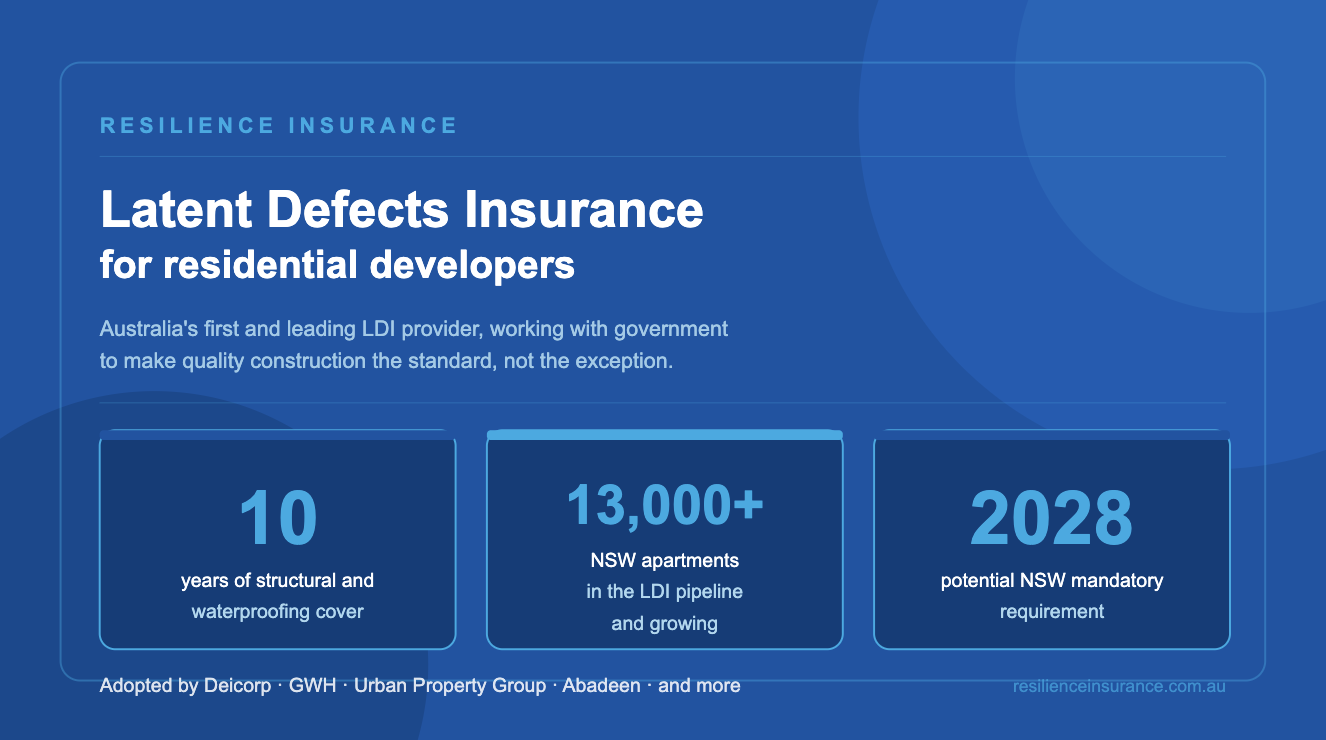
Resilience introduced latent defects insurance, or LDI, into Australia four years ago, drawing on a product that has operated internationally for decades. The concept provides a ten year insurance backed assurance around structural defects, shifting risk away from the purchaser and adding an additional layer of oversight at design and construction stages.
What is changing is the way developers are using it.
Rather than treating LDI as an input cost, some projects are positioning it as a differentiator. Mike Bird noted that Apartments.com.au’s internal analytics have detected clear behavioural signals. Projects featuring latent defects insurance generate higher engagement, and when buyers consume content about LDI prior to viewing a project, conversion rates materially improve.
The underlying driver is simple. In a market where construction quality has been scrutinised and consumer confidence tested, visible assurance matters.
Resilience is now involved in around 240 projects nationally, representing approximately 15,000 apartments. Over the past 12 to 18 months, uptake has accelerated. While the product can apply across price points, early engagement at design stage delivers the strongest outcomes. Proactive integration not only improves insurability but also enhances the credibility of marketing claims in the display suite.
Importantly, interest is no longer limited to project marketers seeking an edge in sales campaigns. Financiers are also recognising the de-risking effect. In some cases, there are discussions around funding structures that reflect the additional comfort LDI provides.

Looking ahead, the broader outlook for 2026 appears bifurcated.
Southeast Queensland continues to attract demand, provided developers can secure capable builders. Sydney remains steady, with sentiment closely tied to interest rate expectations. Western Australia is strong but cyclical.
Melbourne, meanwhile, may benefit from interstate capital flows, particularly if policy settings stabilise. However, both speakers acknowledged that many of the structural constraints on housing delivery originate from government settings across planning, taxation and regulation.
While meaningful reform is politically complex, the persistence of these barriers reinforces a fundamental truth. Demand for well located housing continues to outstrip supply.
For credit providers, that imbalance underpins long term confidence. For developers, it reinforces the importance of delivering product that aligns precisely with real market need and communicates quality with clarity.
Ultimately, the conversation returned to confidence.
Developers must convince financiers that projects are viable and well executed. They must convince buyers that product will be delivered as promised. Tools such as latent defects insurance, disciplined product positioning and targeted marketing all contribute to that trust equation.
Melbourne’s path back to momentum may not be linear. Yet as relative value improves and capital remains available for the right schemes, the foundations for recovery are visible.
In a constrained national housing environment, the projects that combine sound funding, genuine quality assurance and sharp market alignment will be best placed to lead the next phase of the cycle.
.jpeg)
Speak to the team about leveraging the Apartments.com.au audiences and services for your new development.

Greg Billings
Director of Residential Projects

Sonia Fava
Director

Nick Clydsdale
Senior Director

Heath Thompson
Director

Todd Matheson
Director

Thomas Panson
Project Sales & Marketing Agent

Scott Jessop
Head of Sales & Marketing

Alex Adams
Head of Sales & Marketing and
Head of New Business













.jpg)



.png)




-03.png)










.png)
.png)






_page-0001.jpg)
.png)







.png)



.png)


-01.png)


