By
Michael Bird
February 20, 2026
•
17
min read

If the last few years have taught Melbourne developers anything, it is that there is no single lever to pull in residential marketing.
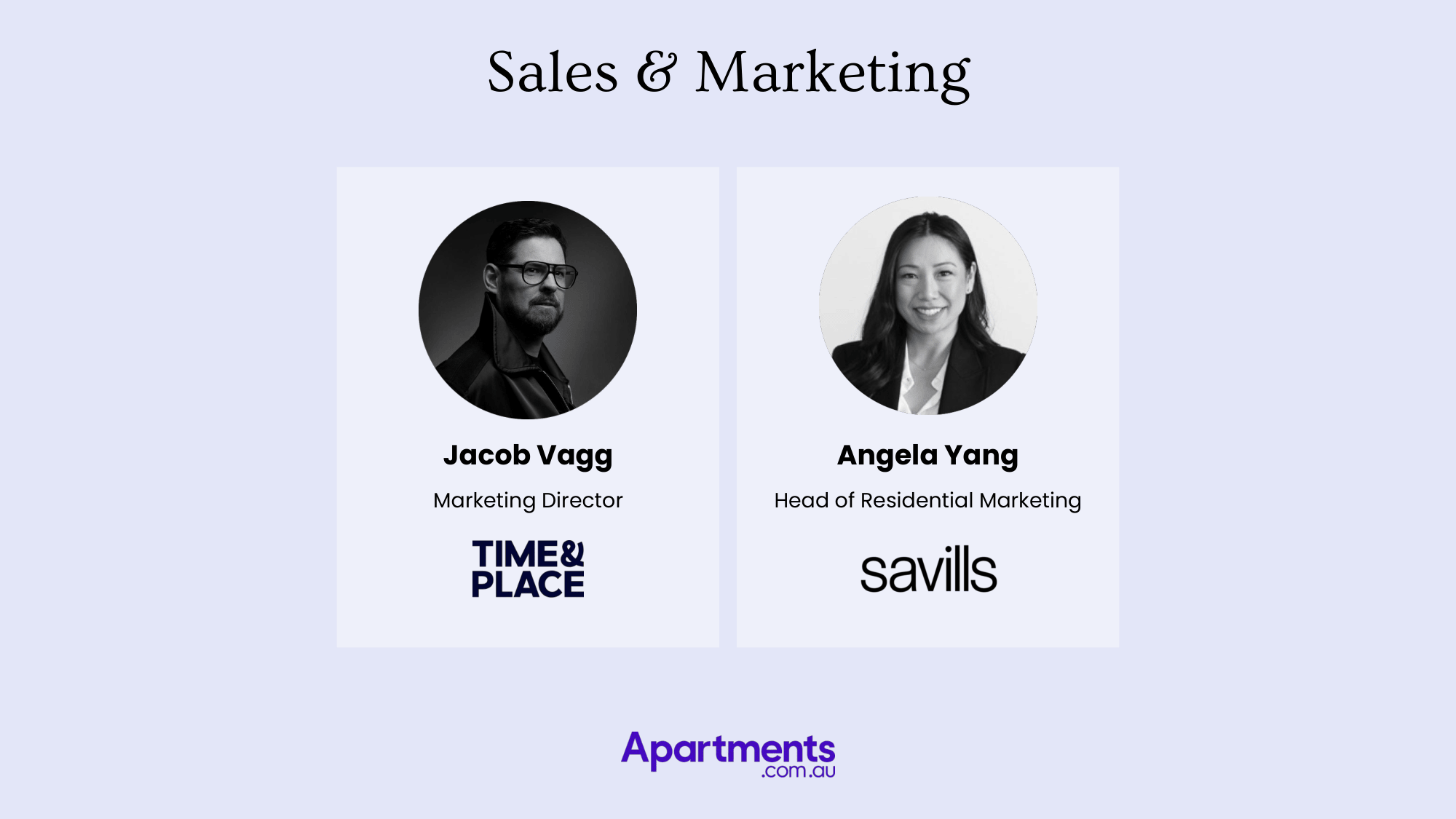
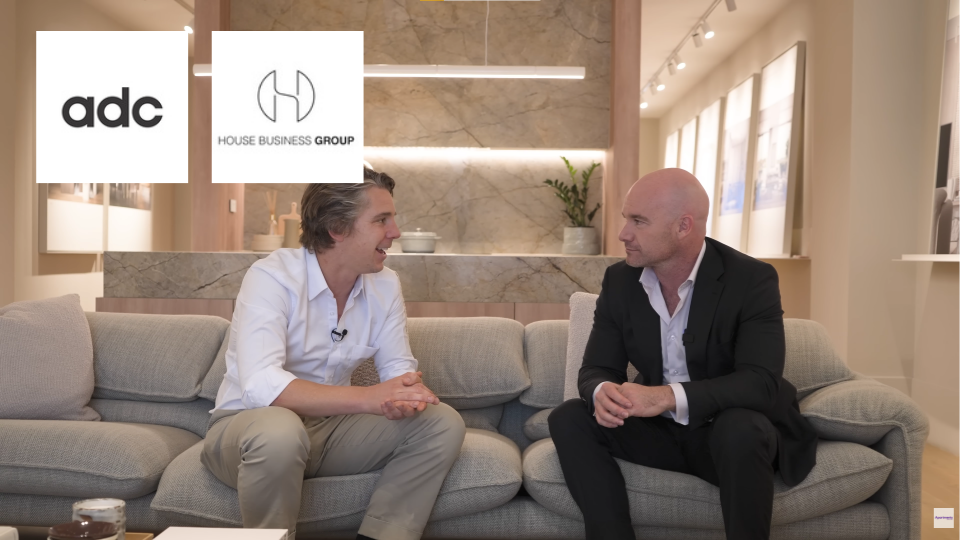
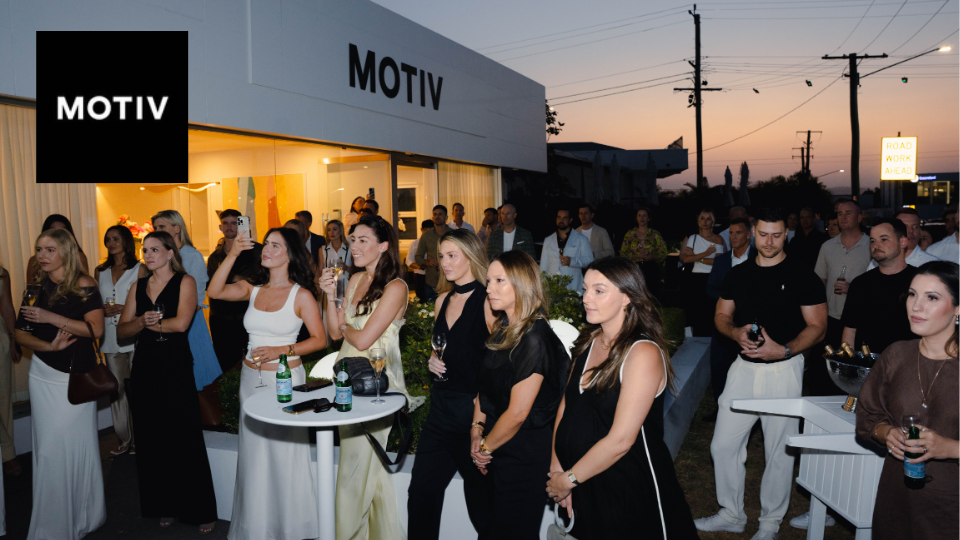
At our recent VIC Market Insights event, Jacob Vagg, Marketing Director at Time & Place, and Angela Yang, Head of International Residential Marketing APAC at Savills, unpacked what is actually driving results across sectors, states and borders. Their message was consistent. The market is more complex, buyers are more informed, and the response must be more integrated than ever.
Savills is currently working across Victoria, New South Wales and Queensland, alongside a suite of branded residential projects throughout Asia and the Middle East. Time & Place operates across residential, commercial, industrial, hospitality, retail and self storage, with active projects in Melbourne and Sydney and expansion plans underway.
That cross sector exposure matters. It provides a real time read on how capital and sentiment are shifting.
In Victoria, both speakers acknowledged the growing importance of interstate investor demand. As price growth in Queensland and New South Wales has accelerated, Melbourne’s relative value has sharpened its appeal. Investor cohorts from Brisbane and Sydney are increasingly looking south.
But targeting interstate buyers is not simply a matter of switching on a channel campaign. It requires understanding local context.
Queensland, for example, has experienced significant construction quality concerns and builder availability issues. For Melbourne developers pitching into that market, build quality and builder credentials must be front and centre. What may be assumed locally cannot be assumed interstate.
Meeting the market where it is, rather than where you would like it to be, is now a practical marketing discipline.
Both speakers were clear that the line between channel and retail has blurred.
Savills often operates as a channel partner itself, particularly across international markets. The key, Angela noted, is overcommunication. Channel partners act as a filter between developer and end buyer. They need clarity around brand positioning, construction progress and the smallest project details. In a slower market, ambiguity kills momentum.
For Time & Place’s Southbank mixed use tower, which includes 353 apartments and a 188 key hotel, the strategy was distinctly segmented. Investment focused stock was targeted through international and national channels, mid market residences were driven through local and regional buyers, and premium product was directed at local owner occupiers.
That level of granularity reflects the reality of today’s buyer pool. One campaign does not fit all. Messaging, allocation and media mix must align with product tier and audience intent.
In an era of immersive renders and virtual walkthroughs, it is tempting to question whether physical display suites remain essential.
The answer from both panellists was emphatic. Yes, but design them differently.
For larger projects with meaningful channel allocation, display environments are evolving into flexible event spaces. They must host group presentations, investor briefings and private appointments, while still conveying craftsmanship and quality.
For smaller boutique projects, the case can be even stronger. Time & Place’s 24 apartment project in Manly is currently the only development in its local market selling in double figures. A full display was delivered, despite the project’s modest scale, because tangible experience drives conversion.
Downsizers in particular want to touch and feel finishes. They want to stand in a kitchen and imagine hosting family. No amount of digital sophistication fully replaces that physical reassurance.
For developers with tighter budgets, hybrid approaches are emerging. Carefully curated sample packs, tactile finishes and highly considered smaller scale displays can bridge the gap.
If there was one theme that cut through the discussion, it was the evolution of content.
Buyers are more researched than ever. They do not arrive at a display suite with basic questions. They arrive having read, watched and compared extensively.
The days of a brochure and floor plan as the primary sales tools are over. Buyers expect transparency, narrative and ongoing communication.
Angela was unequivocal on the idea of gatekeeping content. In her view, you cannot restrict access to information in the hope of driving physical enquiry. Trust is built through openness. That includes detailed project information online, video content and consistent updates.
Time & Place has embraced a more is more approach. Directors and senior team members are front and centre in project storytelling. Content is refreshed and repurposed throughout a campaign lifecycle that may span several years. In a long sales window, remaining top of mind is half the battle.
For developers hesitant to step in front of the camera, the underlying point is this. Buyers want to see the people behind the project. Authenticity and accountability matter, particularly in a market still sensitive to construction risk.
No discussion of the Victorian market is complete without acknowledging policy headwinds.
Foreign investor levies and layered taxation have dampened international participation. While interest from markets such as Vietnam and Singapore remains, buyers are factoring in materially higher effective costs. In some cases, they are pricing in buffers of 30 to 40 per cent above the base purchase price.
The result is not a collapse in demand, but a redirection. Capital that might once have flowed to Melbourne is being diverted to other Australian cities.
Encouragingly, international buyers still view Melbourne as a world class city with strong education, lifestyle and long term growth fundamentals. The interest is intact. The barriers are the friction point.
On the technology front, both speakers acknowledged the growing role of AI.
From research and strategy through to creative iteration and content resizing, AI is accelerating workflows and allowing leaner teams to execute at speed. Media testing across social platforms, supported by rapid creative production, is also reshaping campaign optimisation.
However, technology was framed as an enabler rather than a silver bullet. The fundamentals remain unchanged. Clear positioning, strong product, transparent communication and an understanding of buyer psychology still underpin success.
Looking ahead, lifestyle and branded residences may present further opportunity. Internationally aligned hotel and fashion brands are driving premium outcomes overseas. In a well travelled market such as Melbourne, there is scope to consider how global lifestyle alignment can enhance local projects.
For developers navigating 2026 and beyond, the message is pragmatic. There is no single tactic that unlocks sales. It is the disciplined integration of channel strategy, retail experience, content depth and brand trust that will separate projects that convert from those that stall.
.jpeg)
Speak to the team about leveraging the Apartments.com.au audiences and services for your new development.

Greg Billings
Director of Residential Projects

Sonia Fava
Director

Nick Clydsdale
Senior Director

Heath Thompson
Director

Todd Matheson
Director

Thomas Panson
Project Sales & Marketing Agent

Scott Jessop
Head of Sales & Marketing

Alex Adams
Head of Sales & Marketing and
Head of New Business













.jpg)





.png)





-03.png)









.png)
.png)
.png)







_page-0001.jpg)
.png)






.png)




.png)


-01.png)


