By
Joel Robinson
•
2
min read


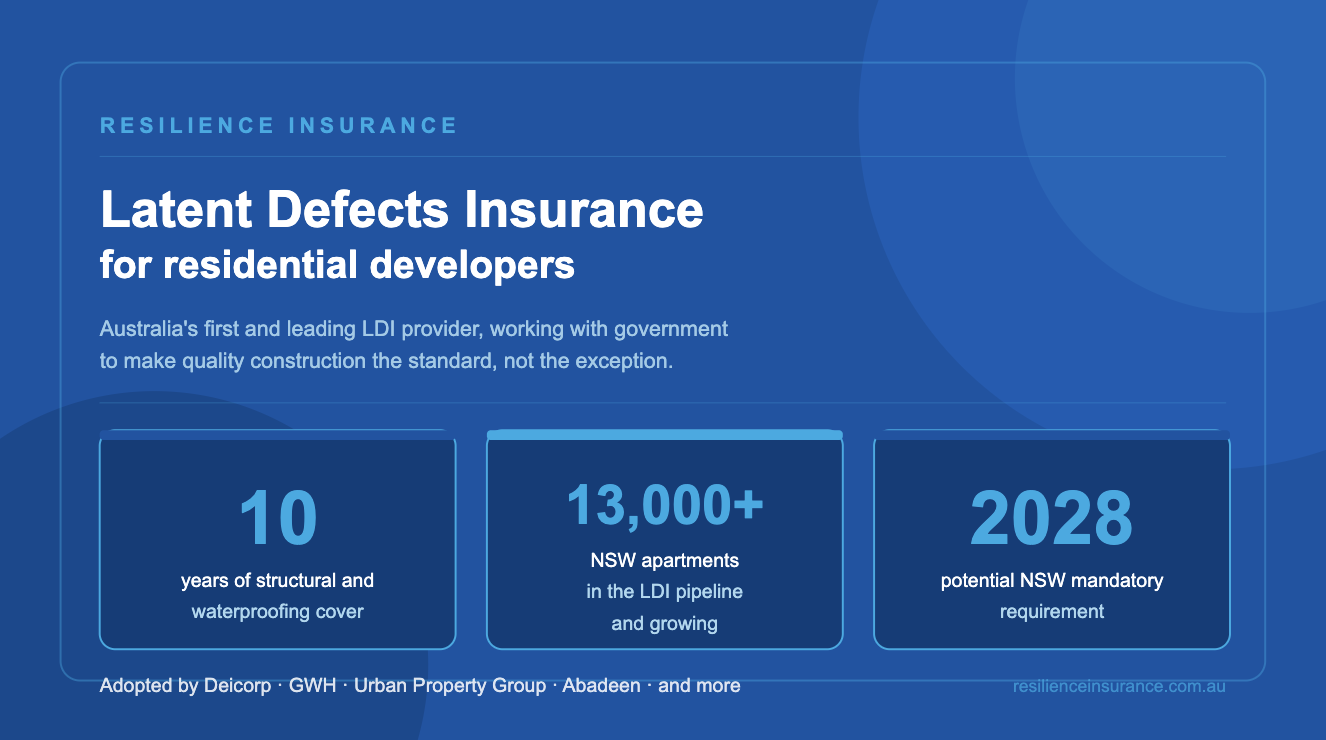
Resilience Insurance, the first provider of a 10-year Latent Defects Insurance (LDI) policy in Australia, has officially entered the Queensland market. While LDI has been widely used across Europe and the Americas for decades, it only arrived in Australia in 2022 when Resilience Insurance received approval to offer the cover locally. The policy is secured by the developer and protects both the building and the apartments within it from structural and waterproofing defects for the first 10 years after completion.
The policy provides first-resort cover for major structural and waterproofing defects, offering a level of protection that is helping restore confidence in a sector still grappling with the legacy of high-profile building failures.
Resilience Insurance has several projects signed up for its LDI policy, spanning a mix of residential and student accommodation developments across Brisbane and the Gold Coast.
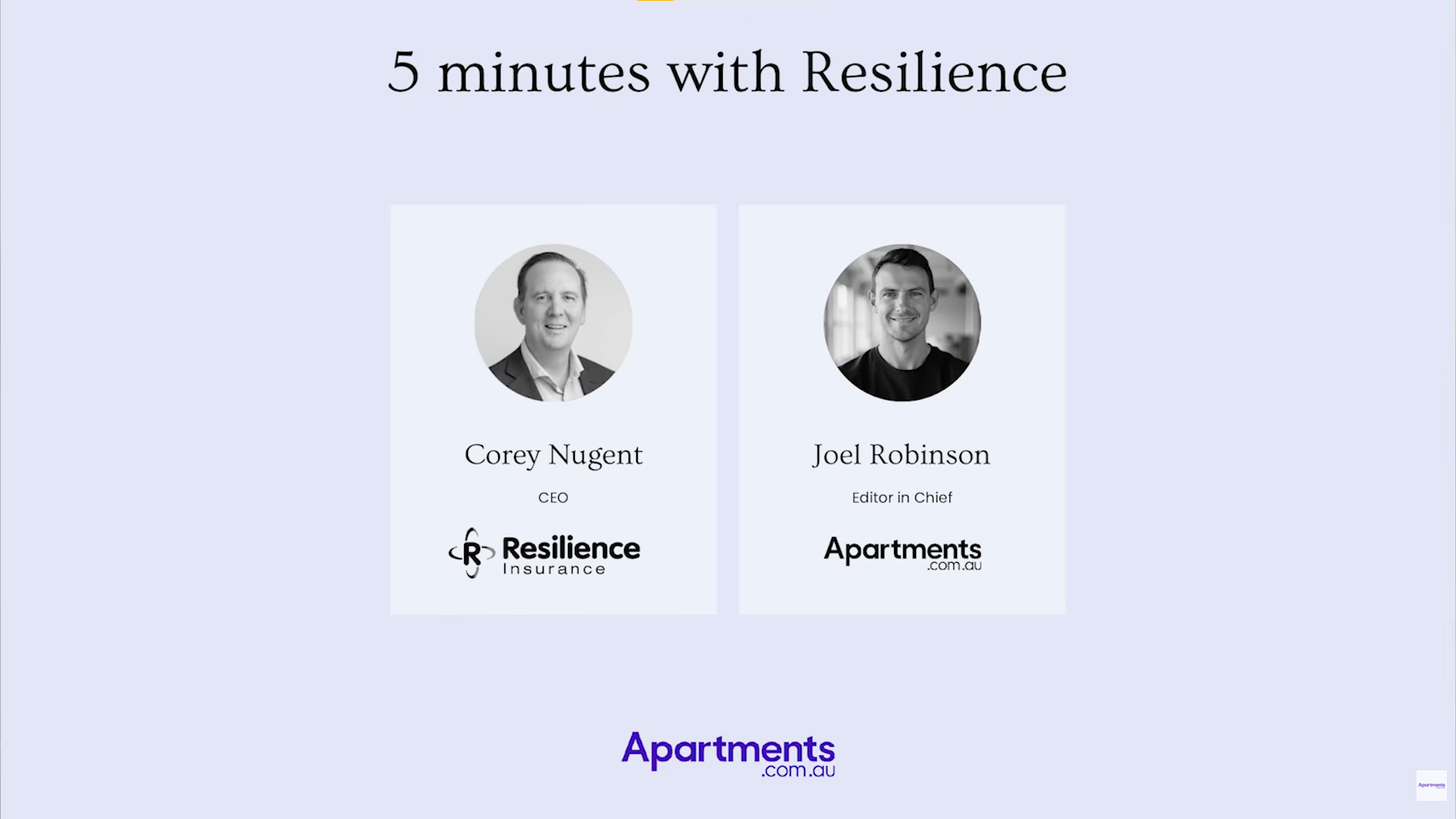
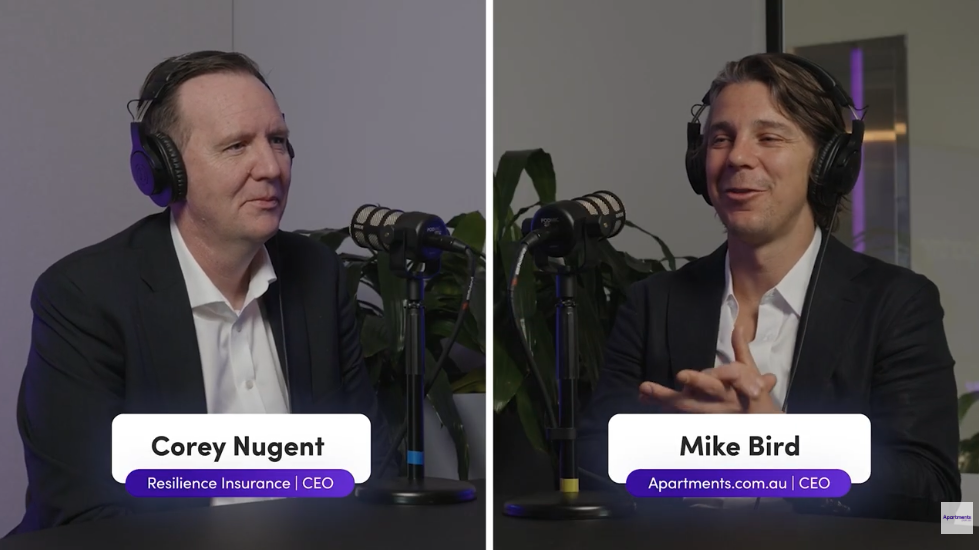
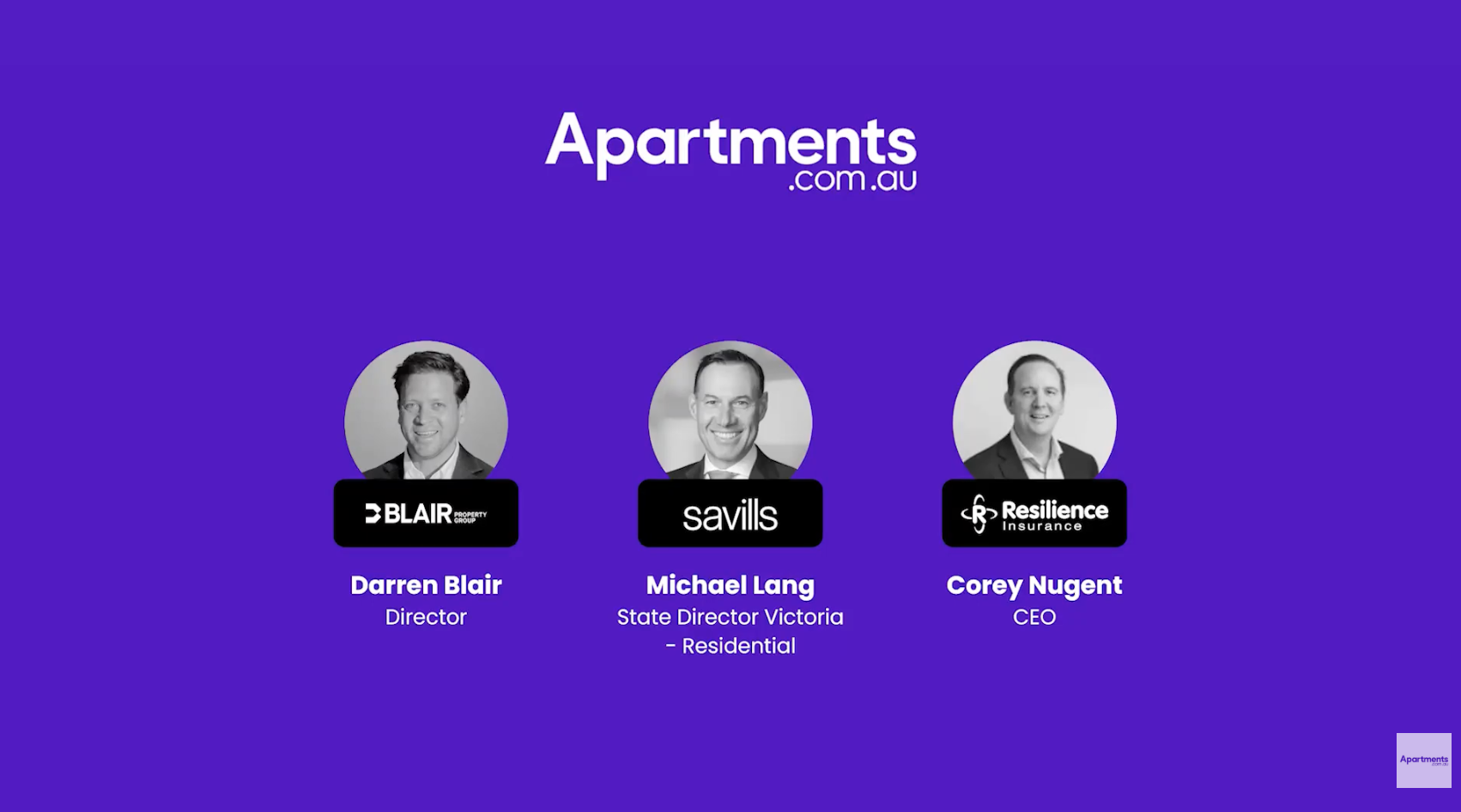
Resilience Insurance CEO Corey Nugent says the company's expansion into the local market, alongside a new independent report by consultancy firm RSM Global highlighting increased sales velocity and pricing, will act as a catalyst for broader adoption of the policy in Queensland.
Queensland represents a natural progression for Resilience Insurance and the LDI policy. The company launched the product in New South Wales four years ago, a strategic entry point given several well-publicised building defect issues that impacted confidence in the new development sector. Four years on, more than 13,000 apartments across New South Wales are now in the pipeline that either already have, or will have, 10-year structural Latent Defects Insurance from Resilience Insurance.
This figure continues to grow week by week.
Nugent says developers have quickly recognised the role the policy can play in rebuilding trust.
"The overarching feedback from prospective buyers in the new development space is that they have an inherent lack of confidence," Nugent says. "That has been the number one factor influencing whether buyers transact. Latent Defects Insurance gives them peace of mind for 10 years, but it also signals that the developer is standing behind their product."
According to Nugent, the number of projects securing LDI has increased significantly over the past 12 months.
"Developers understand the value it provides to buyers, and they also recognise that if they do not offer it, another developer will. In a competitive market, that can make a neighbouring project far more attractive."
Adoption has been particularly strong among some of New South Wales' largest developers, including Deicorp, GWH and Urban Property Group. It has been especially relevant in higher-density projects, where the scale and complexity of major apartment developments make additional oversight and protection highly valuable.
A key component of LDI is the Technical Inspection Service, an independent third-party review process that monitors and evaluates a building's design and construction. Its purpose is to ensure compliance with local codes, regulations, and best practice, while also identifying risks that other systems may overlook. By integrating regular inspections and detailed assessments at every stage of construction, the TIS significantly reduces the likelihood of latent structural defects, which typically only become apparent after project completion.
Policy changes are expected in both New South Wales and Victoria in the coming years that will enable developers to take out Latent Defects Insurance instead of the traditional strata building bond.

Speak to the team about leveraging the Apartments.com.au audiences and services for your new development.

Greg Billings
Director of Residential Projects

Sonia Fava
Director

Nick Clydsdale
Senior Director

Heath Thompson
Director

Todd Matheson
Director

Thomas Panson
Project Sales & Marketing Agent

Scott Jessop
Head of Sales & Marketing

Alex Adams
Head of Sales & Marketing and
Head of New Business








.jpeg)





.jpg)





.png)





-03.png)








.png)

.png)

.png)








_page-0001.jpg)

.png)












.png)




.png)


-01.png)


