By
Joel Robinson
•
2
min read

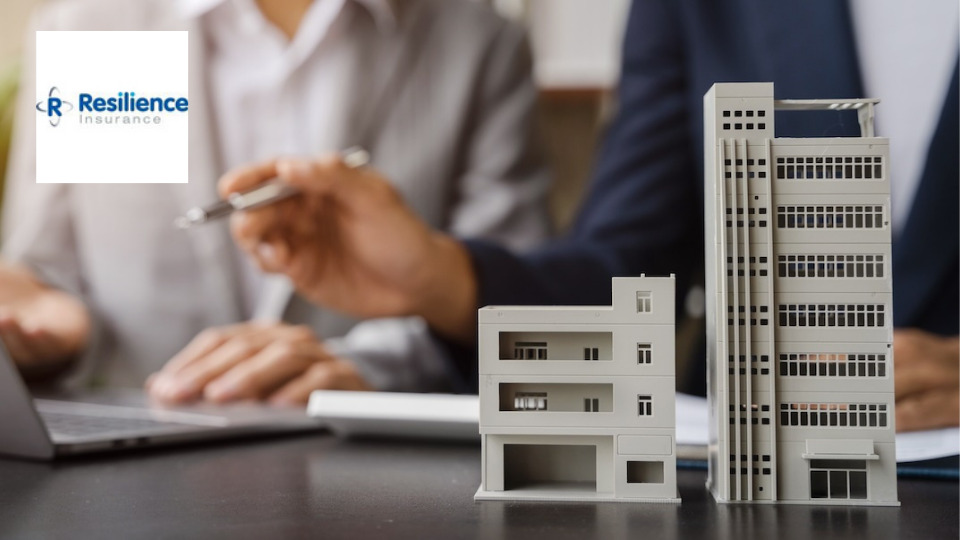
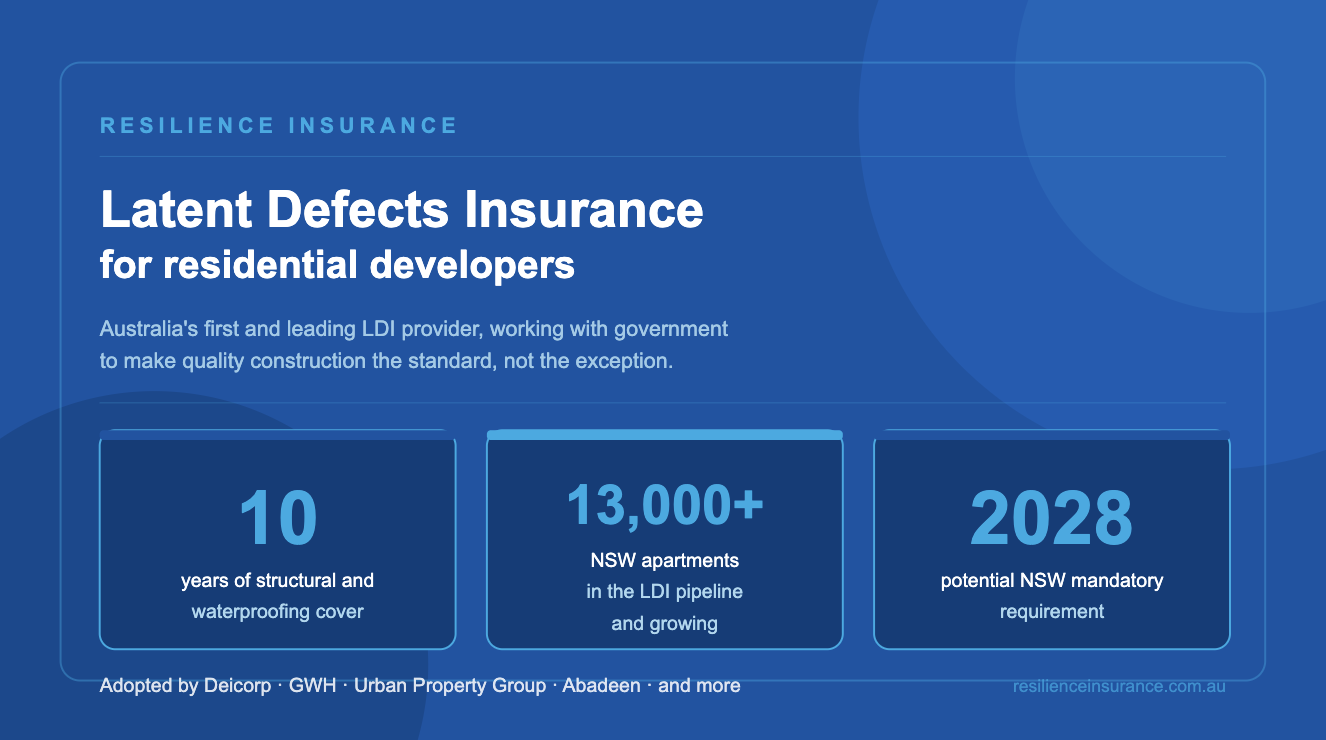
More than 13,000 apartments across New South Wales are now in the pipeline that either already have, or will have, 10-year Structural Latent Defects Insurance (LDI) from Resilience Insurance, and that number is growing week by week.
The policy provides first-resort cover for major structural and waterproofing defects, offering a level of protection that is helping restore confidence in a sector still grappling with the legacy of high-profile building failures.
While LDI has been widely used across Europe and the Americas for decades, it only arrived in Australia in 2022, when Resilience Insurance received approval to offer the cover locally. The policy is secured by the developer and protects both the building and the apartments within it from structural or waterproofing defects for the first 10 years after completion.
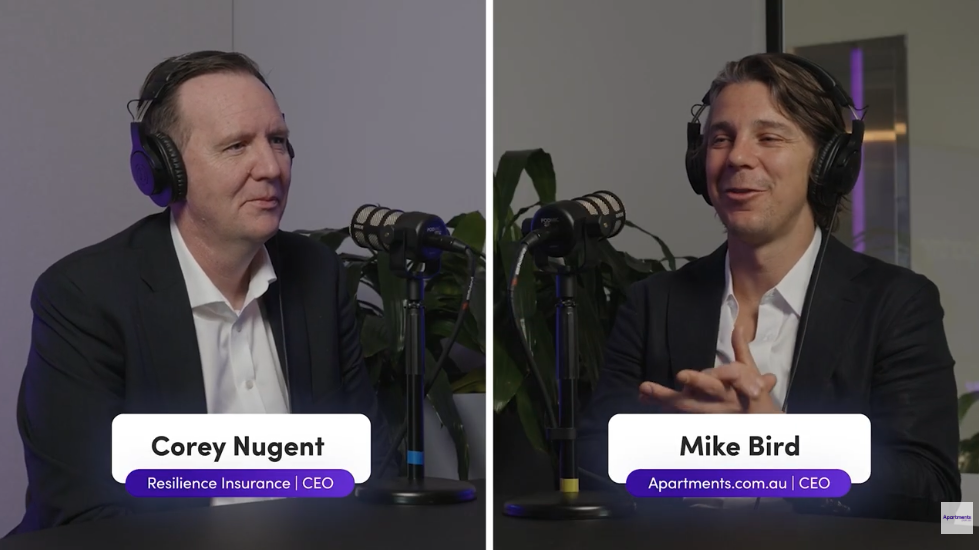
Resilience Insurance CEO Corey Nugent says developers have quickly recognised the role the policy can play in restoring trust.
“The overarching feedback from prospective buyers in the new development space is that they have an inherent lack of confidence,” Nugent says. “That has been the number one factor influencing whether buyers transact. Latent Defects Insurance gives them peace of mind for 10 years, but it also signals that the developer is standing behind their product.”
According to Nugent, the number of projects securing LDI has increased significantly over the past 12 months.
“Developers understand the value it provides to buyers, and they also recognise that if they don’t offer it, another developer will. In a competitive market, that can make a neighbouring project far more attractive.”
Adoption has been particularly strong among large-scale high-density developers, including Deicorp, GWH and Urban Property Group, where the scale and complexity of major apartment projects make additional oversight and protection highly valuable.
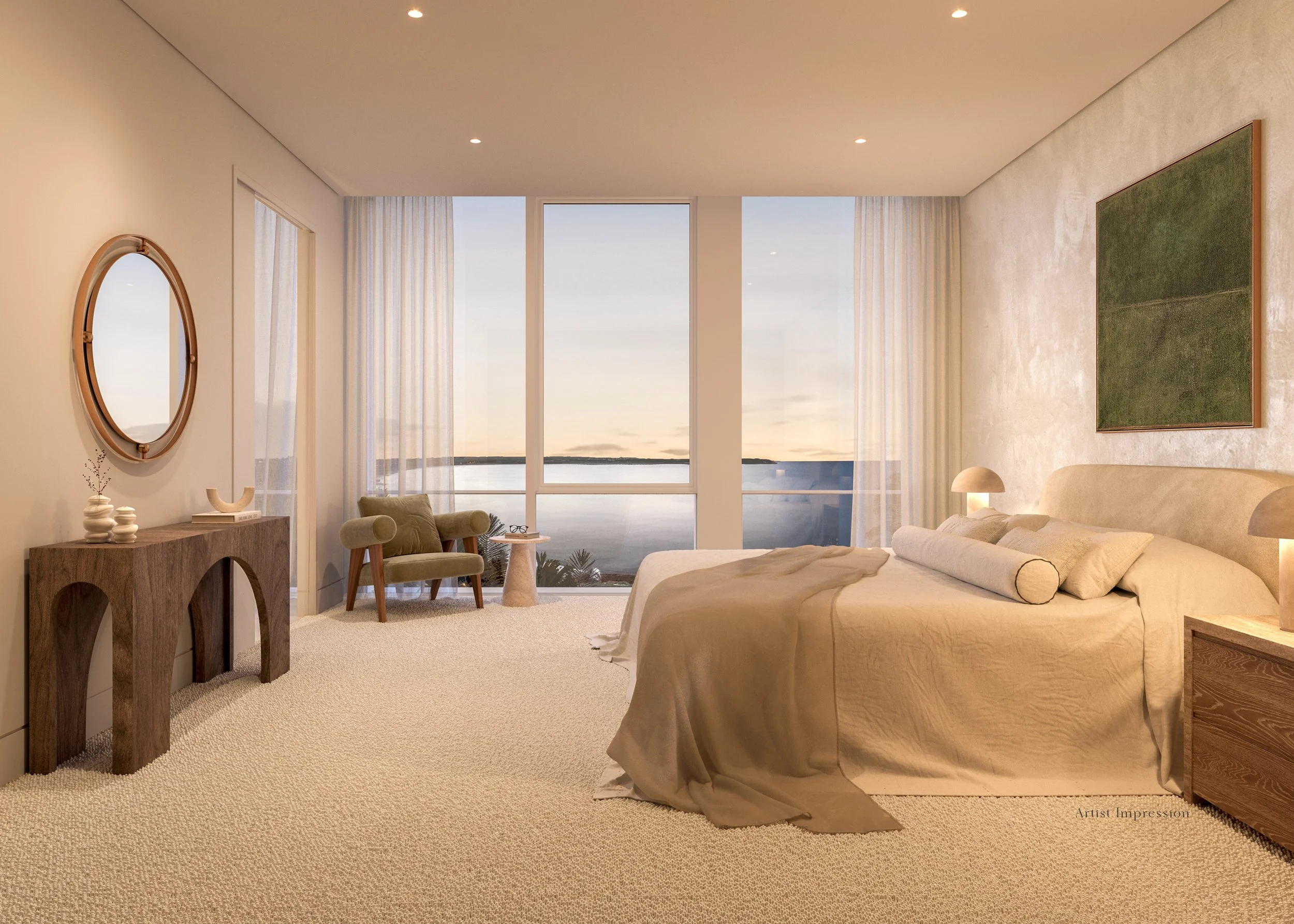
More recently, however, there has been growing uptake among boutique and low-to-mid-rise developers.
Sydney developer Abadeen was one of the early adopters of LDI, rolling the policy out across several projects on the Lower North Shore. Smaller developers are increasingly recognising that affluent downsizers, a key buyer cohort for boutique apartment projects, are often seeking the same level of security as buyers in larger developments.
In many cases, these buyers are selling long-held family homes and purchasing what may be their final property move, often at a higher price point than other buyer segments.
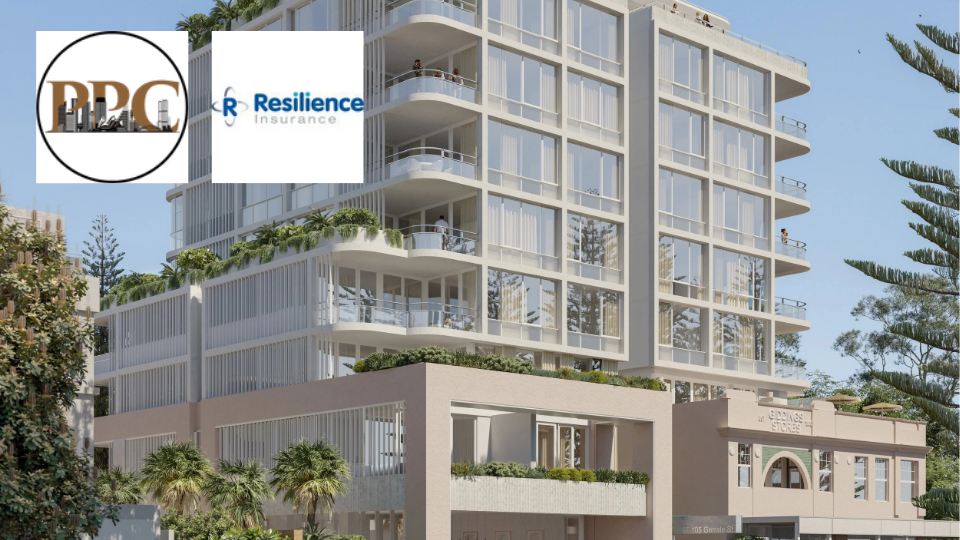
In Cronulla, developer Geron Property has taken out the policy for the second time in its portfolio. After recently completing Jordan Hall Residences in Gladesville, the first development in the suburb to secure LDI, the developer has introduced the cover for Filomena, its upcoming project on Cronulla’s Gerrale Street.
The development will feature 27 luxury apartments above three retail tenancies while retaining the historic façade of the 1908 Giddings Store, a building long embedded in Cronulla’s coastal identity. There are currently seven new developments in the LDI pipeline in Cronulla, including another project by Geron on Cecil Monro Avenue.

Developers in the Eastern Suburbs and on the Northern Beaches are also beginning to adopt the policy. Joint venture partners Equicentia and Wingala Capital recently launched the first new development in Manly using LDI. Their project, De Ville, on Victoria Parade between East Esplanade and South Steyne, will comprise just 12 two- and three-bedroom apartments. Like Geron, they are also incorporating heritage elements of the original building that previously occupied the site.
Nugent says the policy is beginning to influence the way projects are delivered.
“The policy doesn’t just protect purchasers; it encourages better standards during construction because independent inspections are built into the process,” he says. “That’s the real long-term benefit.”
Resilience Insurance is now working with the New South Wales Government, with expectations that Latent Defects Insurance could become mandatory across the state by 2028.

Speak to the team about leveraging the Apartments.com.au audiences and services for your new development.

Greg Billings
Director of Residential Projects

Sonia Fava
Director

Nick Clydsdale
Senior Director

Heath Thompson
Director

Todd Matheson
Director

Thomas Panson
Project Sales & Marketing Agent

Scott Jessop
Head of Sales & Marketing

Alex Adams
Head of Sales & Marketing and
Head of New Business






.jpeg)



.jpg)


.png)



-03.png)







.png)
.png)
.png)






_page-0001.jpg)
.png)







.png)



.png)


-01.png)


