By
Michael Bird
February 4, 2026
•
36
min read


LinkedIn Live Interviews: https://www.linkedin.com/in/michaeljbird/recent-activity/events/
Inspectsy: https://www.inspectsy.com/
Building a proptech company is rarely linear. It is scrappy, uncertain and, at times, deeply uncomfortable. But for Jared Kirkwood, founder and CEO of Inspectsy, that discomfort is part of the appeal.
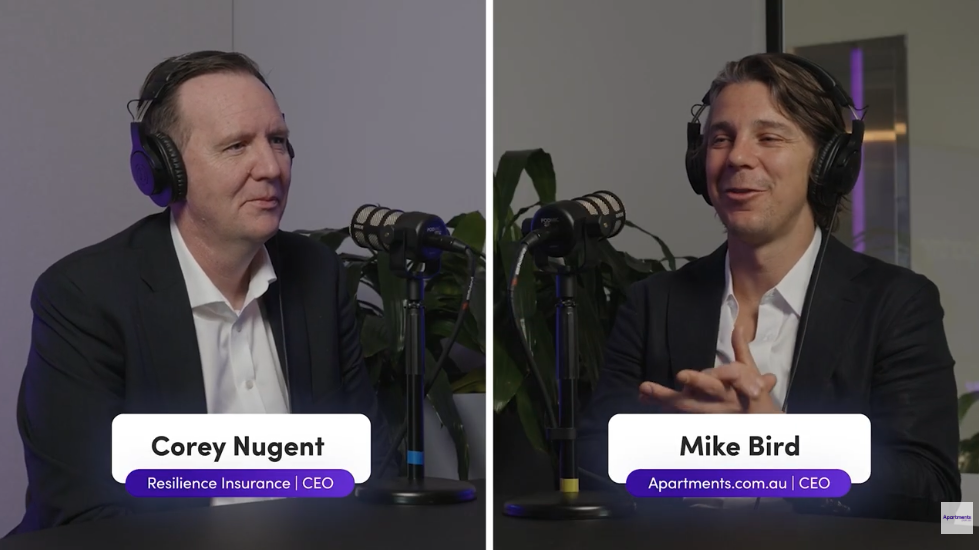
In a recent Apartments.com.au Live mentoring session with CEO Mike Bird, Kirkwood unpacked the origin of Inspectsy, the realities of early stage growth, and what it really takes to shift entrenched behaviour in real estate.
Inspectsy was born from a simple but powerful observation.
“My partner’s a property manager,” Kirkwood explained. “She does like 600 routine inspections a year. We thought, why can’t we empower the renter to do the inspection themselves?”
The thesis was straightforward. Consumers are used to self checkouts. Everyone carries a smartphone. AI can now guide and assess tasks in real time.
So Inspectsy built a system where renters conduct their own inspection through a guided workflow. The platform scans for defects and generates a professional report, removing the need for a physical site visit.
“We’ve got AI that guides the renter through,” Kirkwood said. “They conduct a professional inspection, it scans for defects and then it writes the report.”
The value proposition is clear. Property managers save time and travel. Renters gain flexibility and privacy.
“The convenience is much higher than the alternative,” he said. “I can do this in my own time. I don’t have to have someone come through my home. I don’t have to feel like I need to be there.”

Inspectsy has been live for less than a year. After an initial build phase and beta testing, the platform is now operating with around 15 agencies.
Momentum accelerated over the holiday period, when property managers began to see a new unlock.
“People realised, hang on, how am I going to run my inspection system when I’m on leave?” Kirkwood said. “This now actually lets property managers take a holiday because the system doesn’t break when they leave.”
It is a reminder that timing and context often matter as much as product features in early stage adoption.
For Kirkwood, the biggest challenge has not been technology. It has been human behaviour.
“It’s such a change,” he said. “Someone’s got their entire way of working that they’ve been doing their whole life and then all of a sudden we introduce a new solution. Adoption and change of behaviour has been the hardest part.”
Introducing new workflows into established real estate agencies requires careful implementation. If the change feels too complex or risky, it lands in the “too hard” basket.
That friction is common across proptech. The gap between product message fit and true product market fit often comes down to one thing: willingness to pay.
“It’s very easy to get product message fit where someone says, that’s a great idea,” Kirkwood said. “But that doesn’t mean there’s market fit. You need that willingness to pay to be there.”
Inspectsy began charging early, validating demand with real customers rather than hypothetical enthusiasm.
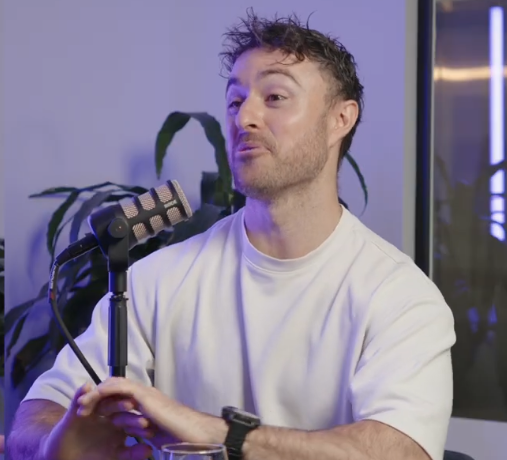
Like many founders, Kirkwood is still refining his ideal customer profile. Early traction has come from both inner city apartment managers and suburban residential agencies.
Intuitively, apartments may prove the strongest fit.
“There’s more complexity in a big home,” he said. “Apartments, you’ve got the floor plans. It’s mostly internal and balcony. Intuitively that probably makes the most sense.”
Build to rent operators and large scale apartment portfolios present a particularly compelling opportunity. One portfolio level agreement can deliver meaningful recurring revenue and deeper integration.
But at this stage, the priority is learning quickly and iterating.
As Inspectsy grows, Kirkwood is looking for a technical co founder to help scale the product architecture.
He describes the process as “founder dating”.
“You go out for a coffee and you’re kind of seeing if there’s a click,” he said. “Sometimes you just meet someone who gives you a referral.”
A recent LinkedIn ad drew 49 applicants, highlighting strong technical interest. But alignment matters more than capability alone.
“To me the product is a means to an end,” he said. “It only gets better if it delivers a better outcome. It doesn’t get better by being more intricate.”
That tension between elegant engineering and commercial outcome is a familiar dynamic in early stage startups. The right co founder must understand both.

In the meantime, growth has been hands on.
Kirkwood is personally cold calling property managers, searching “real estate agent near me” and booking demos one by one.
It works. But it does not scale.
The trade off between short term guaranteed activity and longer term scalable channels like content and automated outreach is constant.
“One viral video might get you 25 leads,” he noted. “That might have taken you three weeks of cold calling.”
For founders with large fragmented markets, outbound automation and content can compound over time. But in the earliest stages, hustle remains indispensable.
Unlike heavily venture backed startups, Inspectsy is largely bootstrapped.
Kirkwood previously worked in house and land sales and built a small property portfolio. That personal runway has enabled him to focus on building the business without immediate external capital.
“I’m catching the bus. It’s the founder grind,” he said. “I’ve been burning savings for the last year. The runway does shrink and that does put pressure on. But it’s a good amount of pressure.”
That discipline can be powerful. The absence of excess capital forces clarity on what truly moves the needle.
Beyond product, customers and capital, the conversation also turned to mindset.
Building a company is not just a commercial journey. It is an emotional one.
“You always hear this,” Kirkwood said, “but the amount of context switching and plates you have to spin. You wear 17 hats.”
The volatility of early stage startups can create extreme highs and lows. Learning to navigate that cycle is part of maturing as a founder.
For Kirkwood, the journey is still young. But the combination of a clear problem, early paying customers and a willingness to iterate puts Inspectsy in a strong position.
In a market where operational efficiency is increasingly critical, tools that save time and reduce friction will continue to attract attention.
Whether Inspectsy becomes a category leader will depend on execution, adoption and resilience. For now, the foundations are in place and the learning curve is steep.
As Kirkwood continues to test, refine and build, one thing is clear. The future of inspections may not involve a clipboard at all.

.jpeg)
Speak to the team about leveraging the Apartments.com.au audiences and services for your new development.

Greg Billings
Director of Residential Projects

Sonia Fava
Director

Nick Clydsdale
Senior Director

Heath Thompson
Director

Todd Matheson
Director

Thomas Panson
Project Sales & Marketing Agent

Scott Jessop
Head of Sales & Marketing

Alex Adams
Head of Sales & Marketing and
Head of New Business










.jpg)


.png)



-03.png)







.png)

.png)
.png)





_page-0001.jpg)

.png)








.png)



.png)


-01.png)


