By
Joel Robinson
May 13, 2026
•
40
min read


Site research in partnership with Landchecker
Our partners at Landchecker have provided a TWO WEEK FREE TRIAL available to the wider Apartments network - thats you!
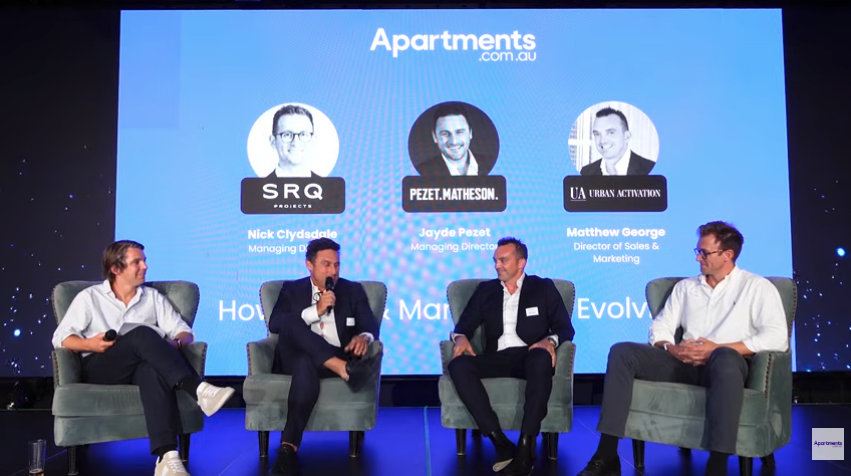
At the Apartments.com.au Market Insights Live Event in Brisbane, three of Queensland's most active voices in development and development finance sat down to do something rarely done in public - work through real sites, in real time, and give honest verdicts.
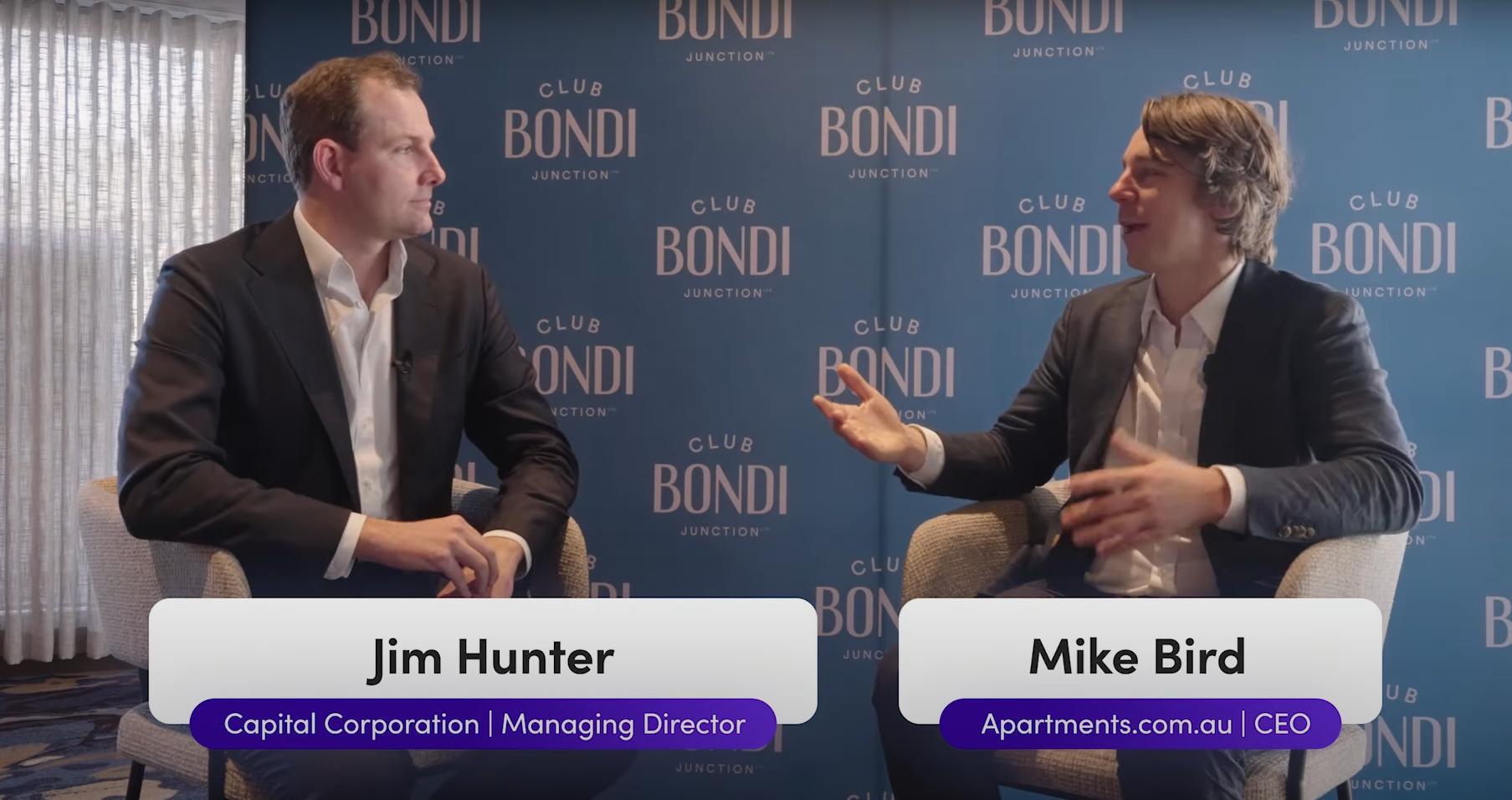
Don O'Rorke, CEO & Chairman of Consolidated Properties Group; Charles Daoud, Director at Traders In Purple; and David Stone, Managing Director & Co Head of Lending at Centuria Bass - were presented with four Queensland sites by CEO in Mike Bird, each researched using Landchecker. The panel assessed each on a simple filter: develop, divest, or delay.
The format is a crowd favourite for good reason. There is no theory here. Just experienced operators talking through how they read sites, capital constraints, builder availability, and buyer depth - in a market that is moving fast ahead of the 2032 Olympics.
The panel worked through four sites: a heritage-laden principal activity zone site on Turbot Street in Spring Hill; a high-density residential site on Albion Street; a large island site on Wickham Street in the Valley; and a beachside opportunity at Main Beach on the Gold Coast.
Each site drew out a different dimension of the current market - heritage risk, builder scarcity, staging strategy, and the question of how deep the downsizer pool really is.
The Spring Hill site on Turbot Street - nearly 9,000 square metres with 147 metres of frontage in a principal central activity zone - drew immediate attention to the complexity of heritage overlays.
Don O'Rorke was characteristically direct:
"Our experience with heritage is you almost have to put zero on the acquisition because you spend a lot more than it's worth - and then you need to be saying, can I amortise that overage across the balance of the product and get more for the other things we're doing on the site."
Charles Daoud took a similar view, noting that while the heritage building could be a point of difference, pure residential was not the play:
"What you don't want to be doing in this - and any particular project - is building across residential cycles. A project like this, with potentially the height that you could achieve on the land, you'd be doing that. So we would shy away from that as a business."
David Stone added a lender's lens - the right developer for a site like this needed to have done it before, and so did their builder.

The Albion Street site - 10,000 square metres with 276 metres of frontage in a high density residential zone - prompted the panel's most pointed exchange about the broader construction market.
Don O'Rorke delivered what became one of the sharpest lines of the day:
"If you haven't got your project started by mid-'27, don't bother. In mid-'27 there's a confluence of factors that are going to come to bear. The Olympic build will actually be underway. There's a backlog of government builds that will have started. The EBA for the tier one builders comes up in mid-'27. All of that says volatility."
His argument: tier one builders would rather take the higher margins and better credit of government contracts. Developers who are not on site before that window closes will find themselves priced out or without a contractor.
Charles Daoud brought a different discipline to the same problem - the case for restraint in how much you build:
"We're doing a project at the moment in West End. It was approved for 460 dwellings. We brought that down to 160 - and we think financially it'll perform better than even having the 460. Less time, less finance, less dwellings to sell to get to a start on site."
The "less is more" principle - building fewer apartments than the permit allows in order to reduce construction time, finance exposure, and sales risk — emerged as a consistent thread across multiple sites.

The panel's discussion of the Wickham Street site in the Valley, and later the Main Beach opportunity on the Gold Coast, turned to the question of buyer depth - particularly for the baby boomer downsizer cohort that has been driving most of the high-end activity in Brisbane.
David Stone flagged a pattern from the lender's side that has echoes of what played out on Sydney's lower north shore:
"I'd want to get a certain level of pre-sale coverage to demonstrate market acceptance. I couldn't put my hand on my heart and tell you how deep the Gold Coast market is. It reminds me a little bit of the lower north shore in Sydney - a lot of full-floor apartments, they look amazing, but I look at the square metre rates and I think: how many buyers are there at that price point?"
Don O'Rorke put a number on the constraint in Brisbane's inner market:
"Construction's expensive, therefore the apartments will be expensive. The only ones that will get up will be the ones on the super prime sites - because it costs the same to build three blocks back from the river as it does on the river. You need to be getting north of $20,000 a metre. And really, the only buyers are the baby boomer downsizers."

The panel was held the morning after the Federal Budget, and the conversation turned to its implications for the apartment market in Southeast Queensland.
All three panellists agreed the decision to leave negative gearing intact for new builds was the right call for supply. But there was clear frustration about what was left on the table.
Charles Daoud pointed to Queensland's Residential Activation Fund as the model the federal government should be scaling nationally - infrastructure funding to open up serviced land for volume builders, which he argued are the most efficient producers of affordable housing in the country.
Don O'Rorke was blunter about what the budget missed: that the existing unit market had effectively been repriced overnight, with the pool of investors for secondhand stock shrinking immediately.
The consensus was that the housing shortage is ultimately a supply problem - one that requires streamlined planning, more serviced land, and the right incentives to get projects started before the 2027 construction market becomes significantly harder to navigate.

The full Develop. Divest. Delay. panel from the Brisbane Market Insights Live Event is available to watch above.
For the full event summary, presentation download and photo gallery from Brisbane, visit: QLD Market Insights Event Summary - May 2026
Join the waitlist for upcoming Market Insights Live Events in Melbourne, Sydney and the Gold Coast: industry.apartments.com.au/updates/market-insight-live-events-join-the-wait-list-2025-26
In partnership with Centuria Bass, Australia Post, Resilience Insurance, Landchecker, Artis, Deposit Power, Women In Property, HubSpot, Spaces by GetParked, and Conversion Assist.

Speak to the team about leveraging the Apartments.com.au audiences and services for your new development.

Greg Billings
Director of Residential Projects

Sonia Fava
Director

Nick Clydsdale
Senior Director

Heath Thompson
Director

Todd Matheson
Director

Thomas Panson
Project Sales & Marketing Agent

Scott Jessop
Head of Sales & Marketing

Alex Adams
Head of Sales & Marketing and
Head of New Business







.jpeg)







.jpg)





.png)



-03.png)









.png)

.png)

.png)








_page-0001.jpg)

.png)










.png)




.png)


-01.png)


