By
Joel Robinson
•
3
min read

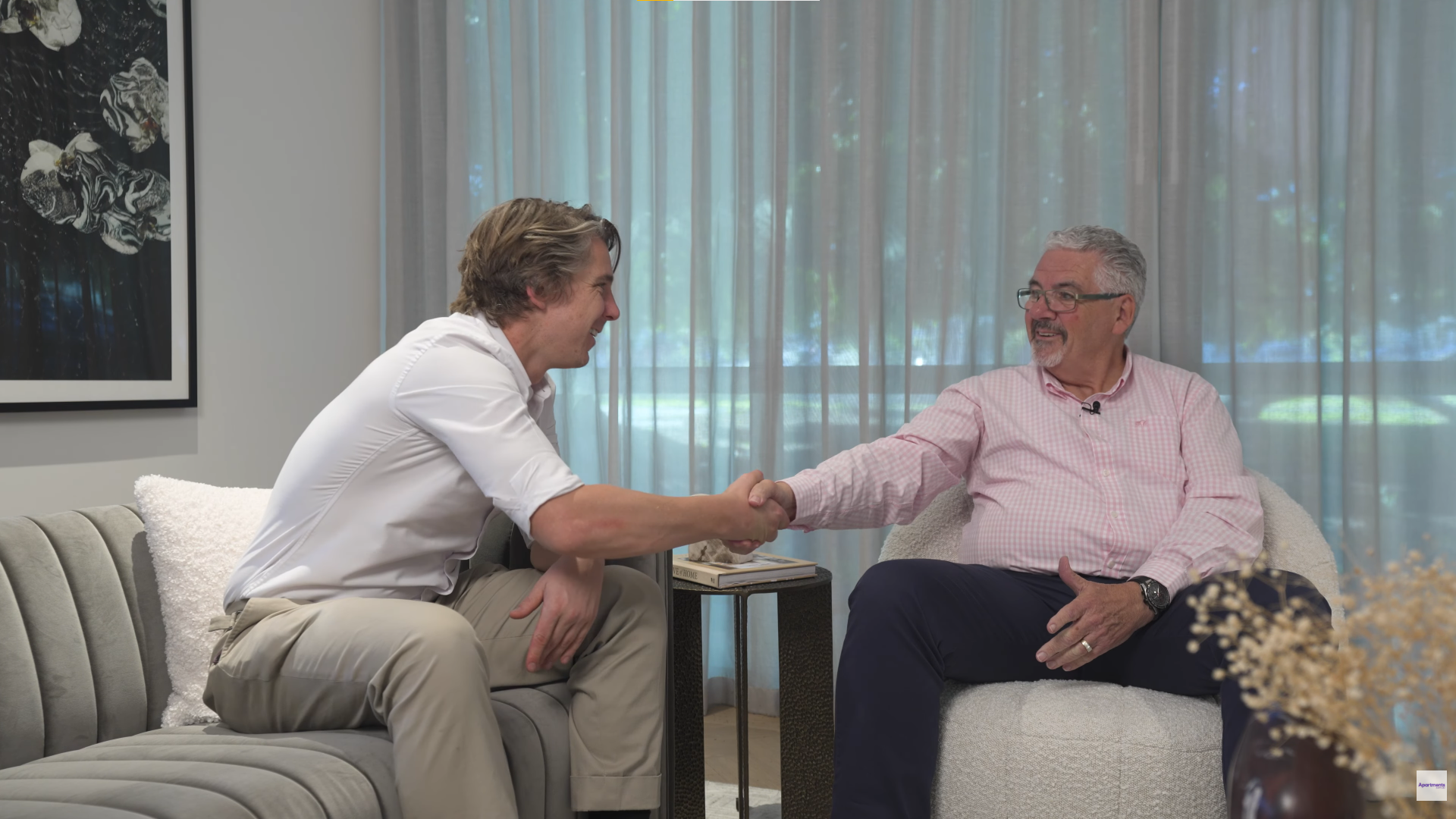
Perth's off-the-plan market has spent the past few years chasing a particular buyer: one willing to pay for larger apartments, premium finishes, and increasingly expensive new stock. But according to Greg Billings, Director of Sales & Marketing at Cygnet West, that focus may have left a sizeable gap in the market.
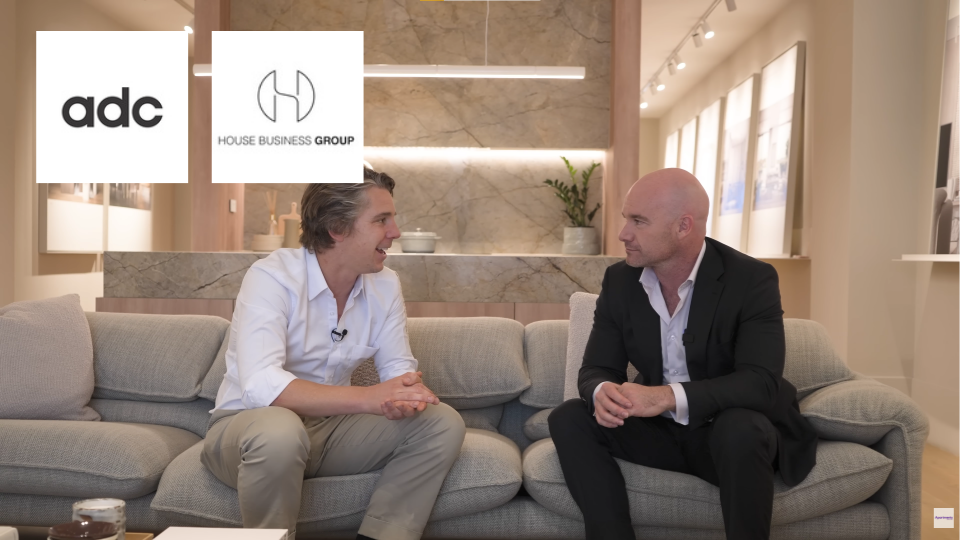
In the latest episode of Market Insights, Mike Bird sits down with Billings to discuss where Perth's next wave of apartment and townhouse opportunities could emerge, and why the city's biggest unmet demand may be sitting below the million-dollar mark.
For Billings, the opportunity starts with a simple observation. Construction costs have pushed developers toward larger, higher-priced apartments, but many buyers, particularly first-home buyers, are increasingly locked out of the market as a result.
"Two-bedroom, two-bathroom stock is often well over a million dollars," he notes. The answer, he suggests, may not be more luxury product, but a return to the smaller apartment formats Perth was successfully delivering a decade ago. If developers can bring well-designed apartments to market at more accessible price points, demand is unlikely to be the problem.
The challenge, as always, is location.
Affordable apartment development only works when the fundamentals stack up. Billings points to Perth's southeastern suburbs as one area worth watching, particularly locations within easy walking distance of train stations. With many apartment developments offering only a single car bay, residents need reliable alternatives to driving, alongside everyday amenities that can be reached on foot.
The equation is familiar in more mature apartment markets: transport access, walkability, and lower land costs combine to create a viable pathway to more affordable housing. Perth's expanding rail network already provides much of that framework. The further from the CBD developers can source suitable land without sacrificing connectivity, the greater the opportunity to deliver apartments at sub-$1 million price points.
While apartments dominate much of the affordability conversation, Billings believes townhouses may represent an even larger opportunity.
Across Perth, new townhouse projects are increasingly concentrated in premium suburbs, with many entering the market at prices between $1.7 million and $2 million or more. Yet Billings sees substantial demand from buyers seeking something far more attainable: a townhouse around the $1 million mark.
It's a product type that occupies a valuable middle ground between apartment living and a detached home. Buyers gain additional space, a small parcel of land, and the flexibility that comes with it, whether that's room for a growing family, outdoor entertaining, or simply a backyard for a dog.
Examples already exist. In suburbs such as Rockingham, townhouse projects are being delivered closer to the $850,000 mark, demonstrating what becomes possible when land values allow for a different development equation. Billings believes there is scope for much more of this product across Perth.
The townhouse conversation becomes more nuanced when downsizers enter the picture.
While younger buyers are often comfortable with multi-level living, older purchasers tend to have a different set of priorities. Accessibility quickly becomes a deciding factor, and that often means incorporating lifts into townhouse designs, a feature that significantly increases both complexity and cost.
As a result, many townhouse developments targeting downsizers naturally move into the $2 million-plus price bracket. Billings identifies this as another under-served segment: buyers seeking downsizer-friendly homes without the premium price tag that accessibility requirements often create.
The discussion also touches on another part of the market experiencing remarkable growth: over-55 land lease communities.
Billings notes that pricing in some developments has risen dramatically in only a few years, reflecting both strong demand and growing acceptance of the lifestyle proposition. One of the more interesting observations concerns shared amenities, features that prospective buyers frequently dismiss during the sales process, only to embrace once they're living within the community.
It's a pattern familiar across apartment developments as well. Pools, gyms, communal spaces and lifestyle facilities are often viewed as nice-to-haves rather than essentials, but residents frequently discover their value once those amenities become part of everyday life.
One of the clearest distinctions Billings draws between apartments and townhouses comes down to transport.
For apartment developments, proximity to train stations and walkable amenity is often critical. Townhouses, however, operate under a different set of rules. With multiple car spaces typically included and greater flexibility around street parking, townhouse projects can succeed in locations where apartment developments may struggle.
That opens up a wider range of development sites and potentially more opportunities to deliver housing at accessible price points.
The broader takeaway from the conversation is that Perth's next housing opportunity may not be found in pushing further upmarket. Instead, it may lie in reintroducing product that sits between the traditional detached house and the premium apartment market.
Whether that's smaller apartments near transport hubs or townhouses around the million-dollar mark, Billings sees significant demand waiting to be met. The challenge now is finding the sites, designs, and development models capable of delivering it.

Speak to the team about leveraging the Apartments.com.au audiences and services for your new development.

Greg Billings
Director of Residential Projects

Sonia Fava
Director

Nick Clydsdale
Senior Director

Heath Thompson
Director

Todd Matheson
Director

Thomas Panson
Project Sales & Marketing Agent

Scott Jessop
Head of Sales & Marketing

Alex Adams
Head of Sales & Marketing and
Head of New Business




.jpeg)



.jpg)

.png)



-03.png)






.png)

.png)
.png)






_page-0001.jpg)
.png)






.png)

.png)


-01.png)


