By
Joel Robinson
•
3
min read


Australia’s development market is testing even its most experienced operators. Higher construction costs, subdued buyer confidence and increasingly difficult project feasibilities have slowed sales and complicated the path to new supply.
For Third.i Group co-founder Luke Berry, who has spent more than 20 years in property, the current cycle stands apart.
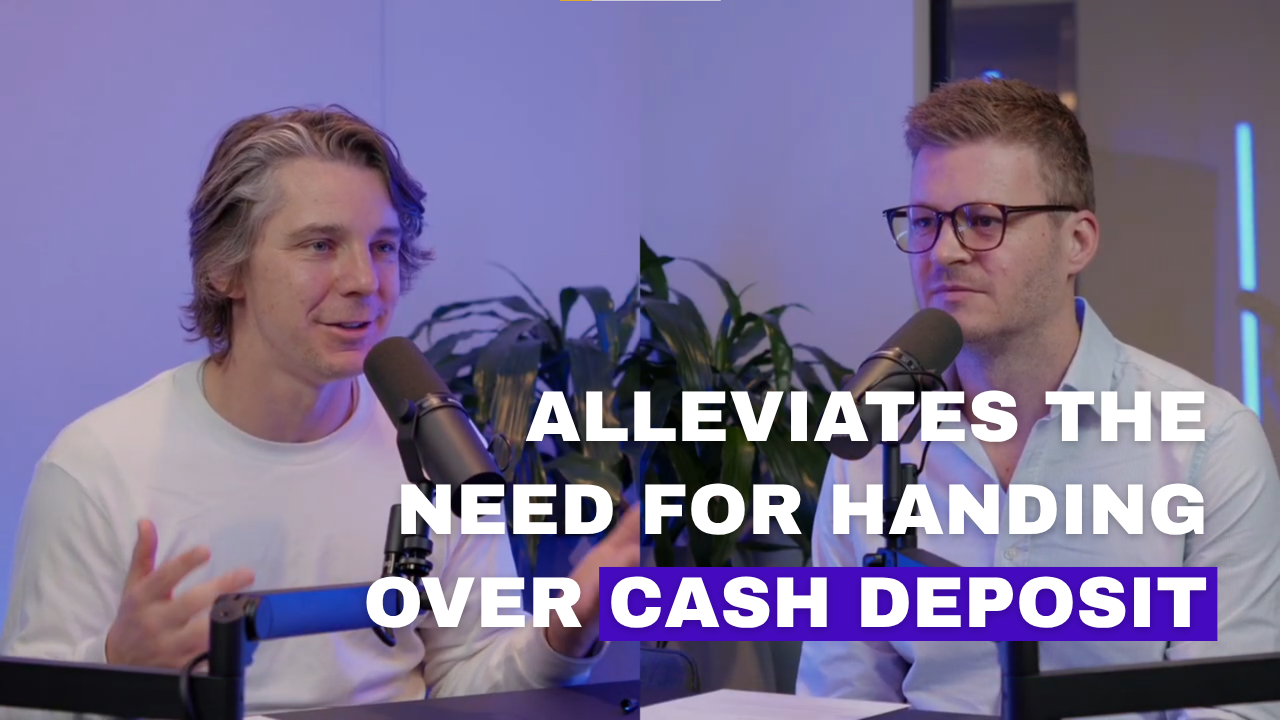
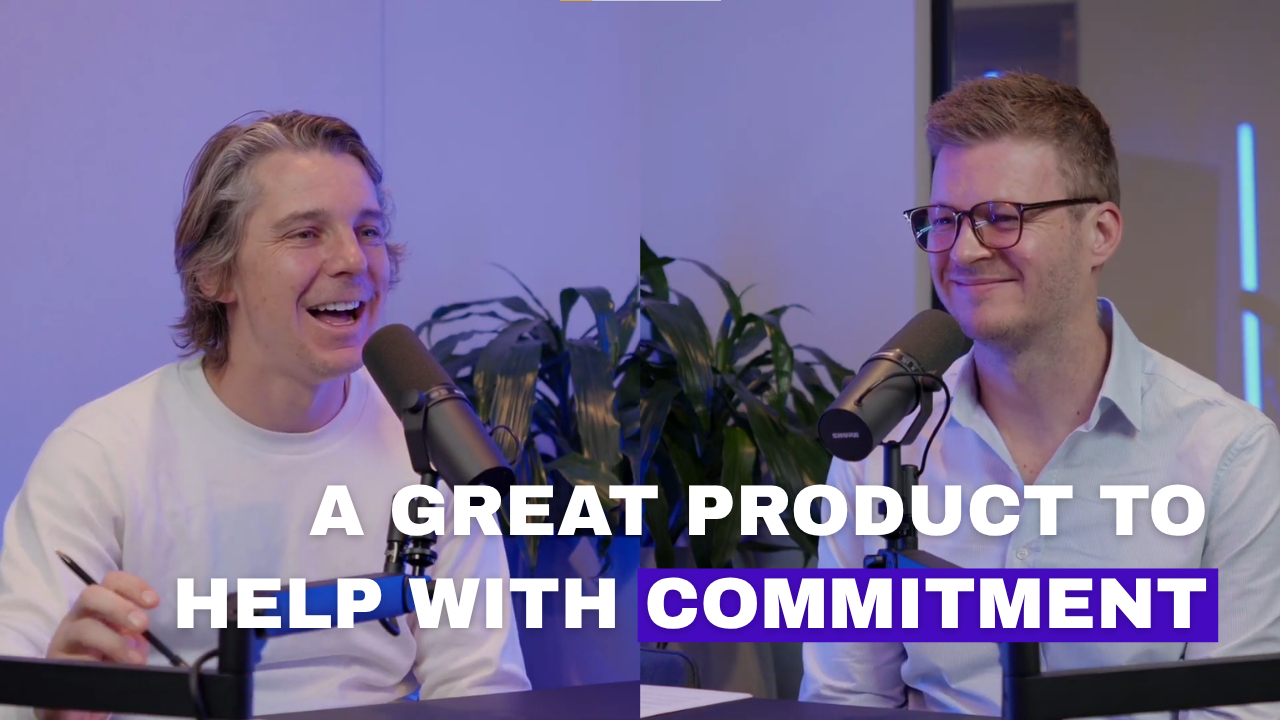
Speaking with Apartments.com.au’s Joel Robinson in Episode 117 of Market Insights, Berry describes it as “the toughest that it’s ever been”, but also sees opportunity emerging for developers and buyers prepared to take a longer view.
Third.i’s response has been to spread its exposure across different parts of the residential market.
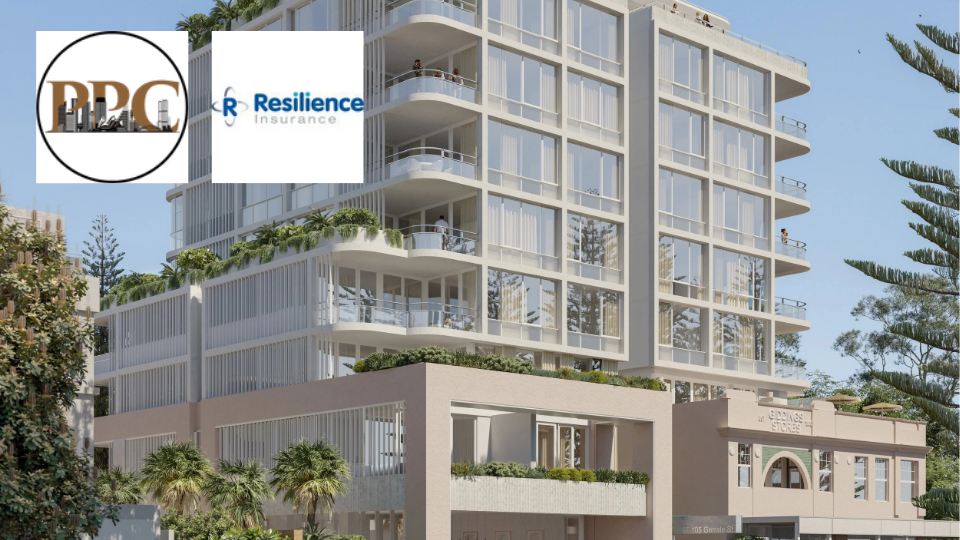
Its pipeline now spans build-to-sell apartments from more attainable price points through to boutique luxury, alongside build-to-rent, co-living and student accommodation. Its communities division also has close to 3,000 lots in planning between Wollongong and Newcastle.
“The fact that we’re so diverse now has helped us navigate a lot of the crisis that we’re experiencing,” Berry says.
Importantly, even those sectors are moving at different speeds.
Berry points to Third.i’s retirement offering at Merewether Residences in Newcastle, where he says more than $20 million worth of product sold in six weeks at list price. That contrasts with parts of Sydney, where low confidence has made buyers slower to transact.
For Berry, it demonstrates why there is no single property market: different locations, price points and buyer demographics are responding very differently to the same economic conditions.
At the upper end, hesitation takes another form.
Berry says purchasers considering multimillion-dollar boutique apartments increasingly expect certainty around construction, funding and delivery before committing off the plan.
“You’ve got to build a display unit that they can walk in and touch and feel,” he says.
That means assembling strong funding, architecture, construction and sales partners, but also recognising that some buyers simply won't move until a project is nearing completion.
Third.i is prepared to accommodate that behaviour. Rather than relying on selling an entire luxury project off the plan, Berry says the group can secure early sales, progress construction and leave residences available for buyers who want to physically experience the finished building.
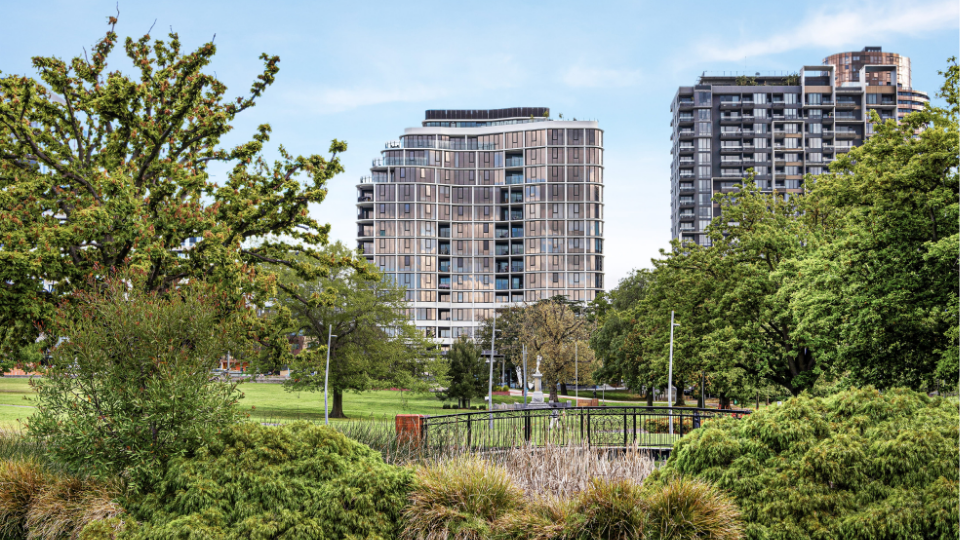
For its broader build-to-sell pipeline, Third.i is moving towards a different proposition: relatively affordable apartments in well-connected city-fringe locations.
Berry says the group is particularly confident in areas where new apartments can be delivered at around $20,000 to $25,000 per square metre, rather than relying heavily on markets commanding $40,000 or $50,000 per square metre and above.
“Most Australians can afford that,” he says of the lower pricing band.
Around 1,500 apartments in Third.i’s Sydney build-to-sell pipeline could fall within this affordability-led strategy.
The developer will continue pursuing boutique luxury opportunities, but selectively. Its larger focus is on locations including Marrickville and Gladesville, as well as future opportunities elsewhere across Sydney.
Location is only part of the equation.
Third.i is increasingly looking for sites on, above or close to Metro stations and major transport links, combining that connectivity with everyday retail and health and wellness amenity.
Berry says future schemes are expected to incorporate elements such as Coles supermarkets, specialty retail, food and beverage and larger-format wellness facilities.
Sydney Metro is particularly important to that thinking. Berry points to Crows Nest as an example of how new infrastructure can fundamentally change the accessibility, and value proposition, of a suburb.
His argument is straightforward: if governments are investing billions into transport infrastructure, new housing should be concentrated around it.
That principle also feeds into Third.i’s approach to build-to-rent, co-living and student accommodation, where reduced reliance on cars can make highly connected sites particularly attractive.
Despite Third.i’s active pipeline, Berry isn't expecting the market to turn immediately.
He anticipates a difficult 12 to 18 months and believes confidence could begin returning as Australia moves towards the next federal election and buyers gain greater clarity around the economic and political environment.
“I honestly believe that we’ve got a pretty grindy 12 months ahead,” he says, while pointing towards 2027, 2028 and 2029 as potentially stronger years.
That outlook is influencing when Third.i brings new projects to market. Rather than pushing stock into subdued conditions, the group is positioning parts of its pipeline to arrive as confidence improves.
And when that happens, buyers may encounter a very different supply environment. With construction costs and feasibility pressures preventing many projects from proceeding today, Berry expects fewer developments to be ready for the next upswing.
The final piece of the discussion moves beyond individual projects to the mechanics of delivering housing at scale.
Berry supports planning pathways such as the NSW Housing Delivery Authority and State Significant Development process, particularly where larger projects can place substantial new housing around existing infrastructure.
He also argues that community debate needs to consider more than building height. Open space, housing diversity, affordable housing, specialist disability accommodation, employment and broader economic benefits all form part of the equation.
Community groups have an important role in holding developers accountable, Berry says, but opposition can become problematic when it begins before detailed plans are lodged or misrepresents what is being proposed.
Ultimately, his argument comes back to the housing challenge facing the next generation.
Where major infrastructure already exists, Berry believes the industry needs to make better use of it: “The next generation deserves to be able to live next to it or on it.”
For Third.i, that means navigating the difficult market in front of it while preparing for what comes afterwards, diversifying its housing pipeline, concentrating on connected locations and keeping affordability at the centre of its next build-to-sell cycle.

Speak to the team about leveraging the Apartments.com.au audiences and services for your new development.

Greg Billings
Director of Residential Projects

Sonia Fava
Director

Nick Clydsdale
Senior Director

Heath Thompson
Director

Todd Matheson
Director

Thomas Panson
Project Sales & Marketing Agent

Scott Jessop
Head of Sales & Marketing

Alex Adams
Head of Sales & Marketing and
Head of New Business





.jpeg)



.jpg)



.png)




-03.png)








.png)

.png)
.png)





_page-0001.jpg)
.png)






.png)


.png)


-01.png)


