By
Joel Robinson
•
3
min read

Property development sits in a difficult position in the Australian public conversation. It touches housing, planning, affordability, neighbourhood character and, for many buyers, the largest financial decision they will ever make. That makes developers unusually exposed when something goes wrong, or when a project simply becomes contentious.
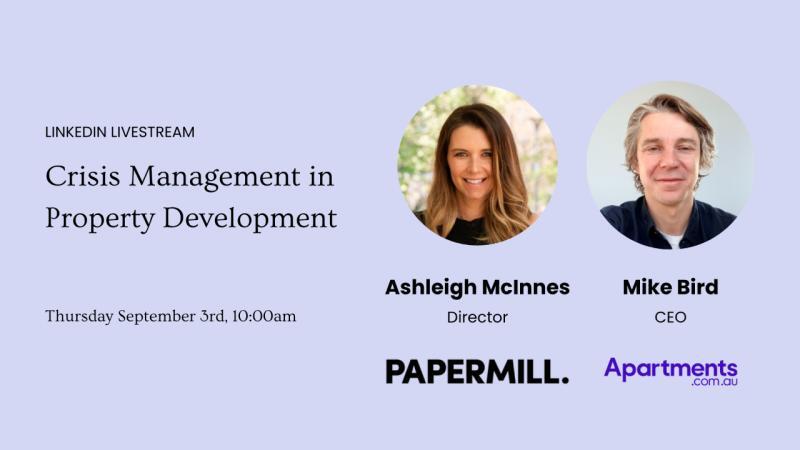
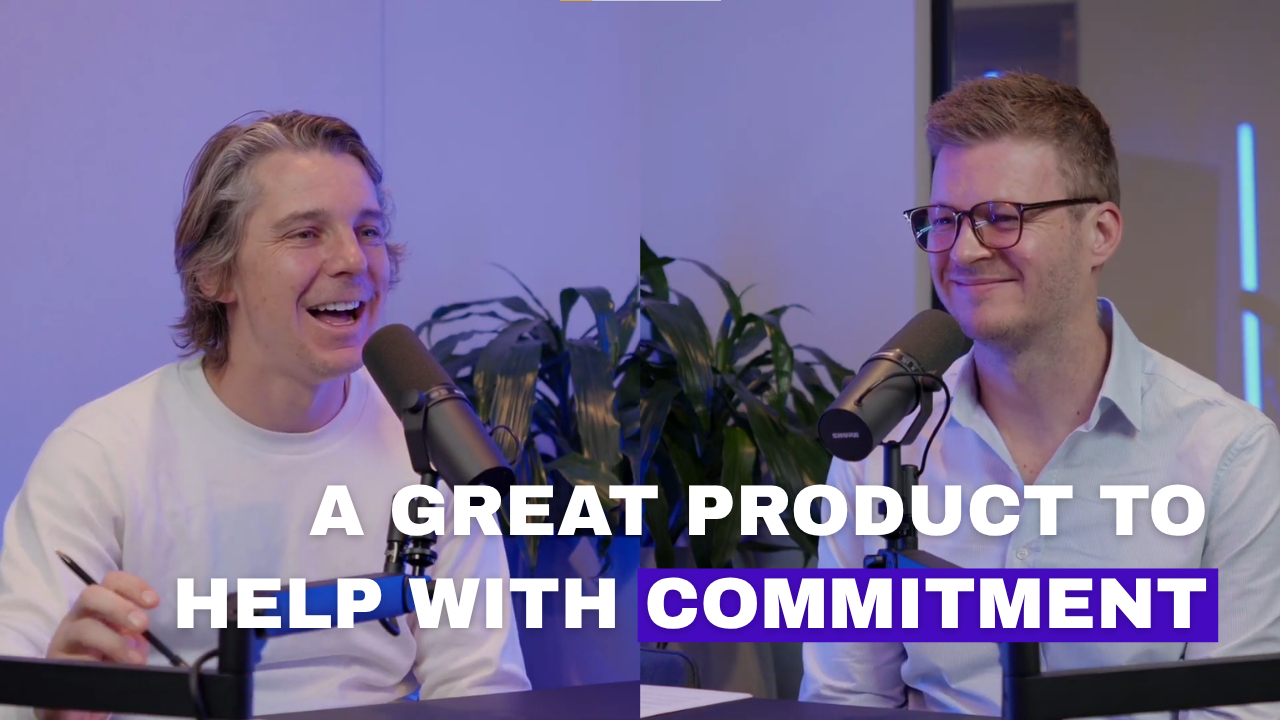
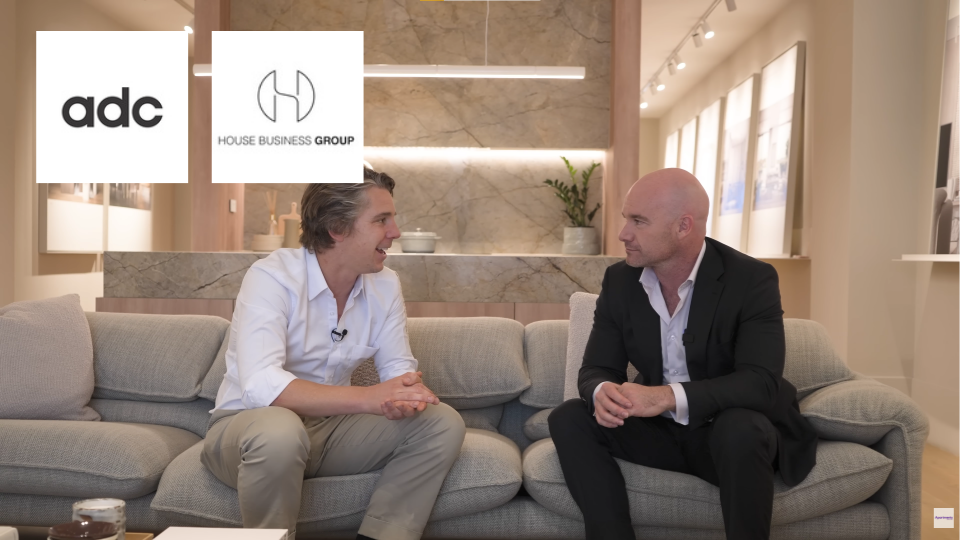
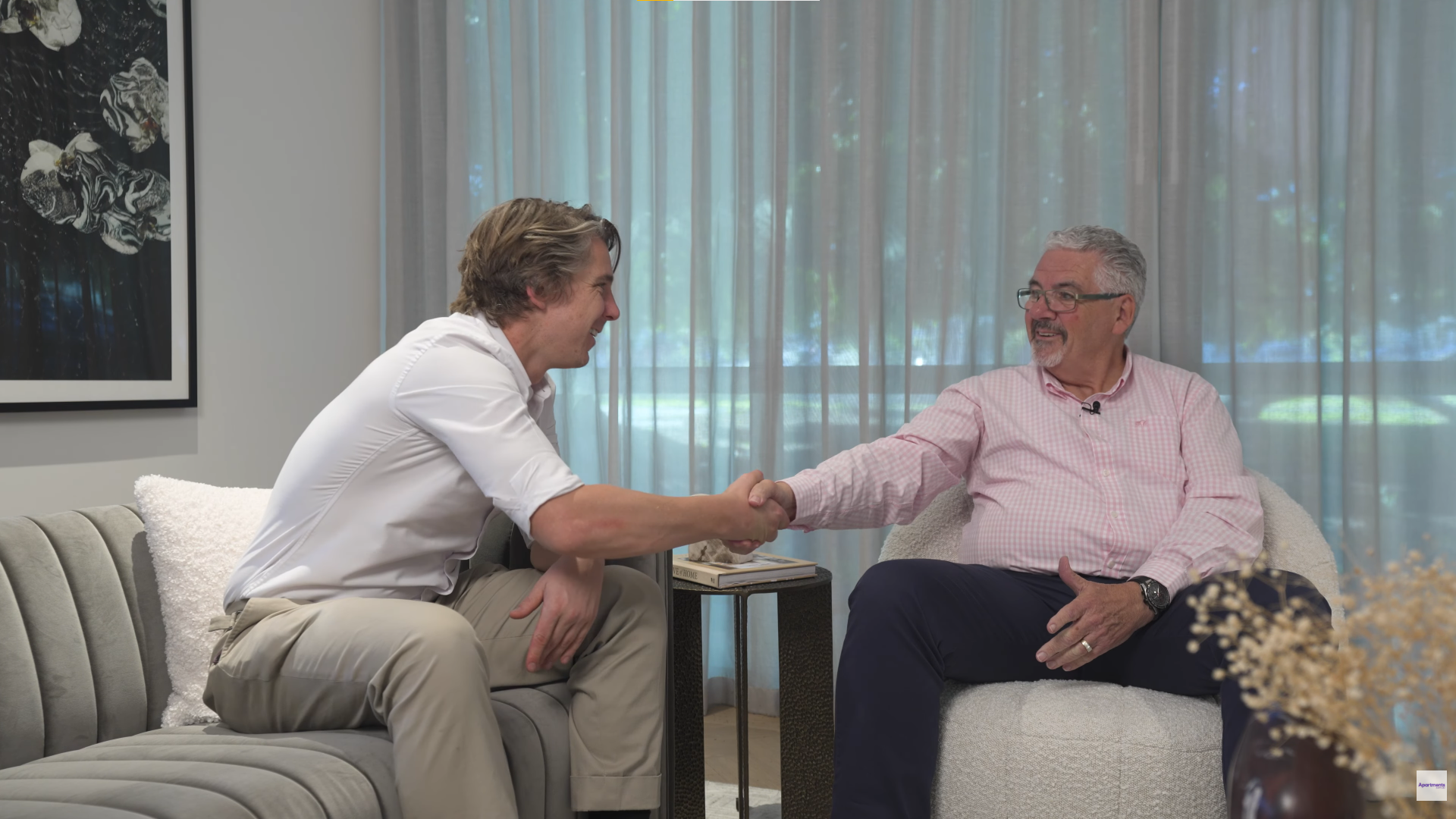
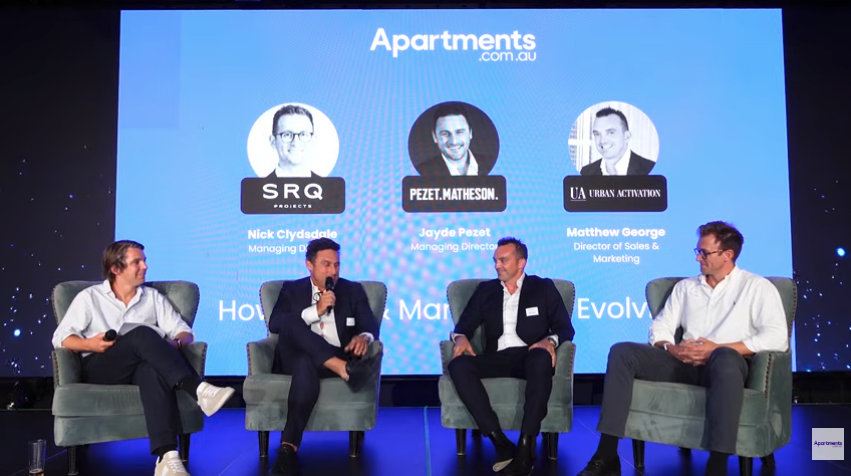
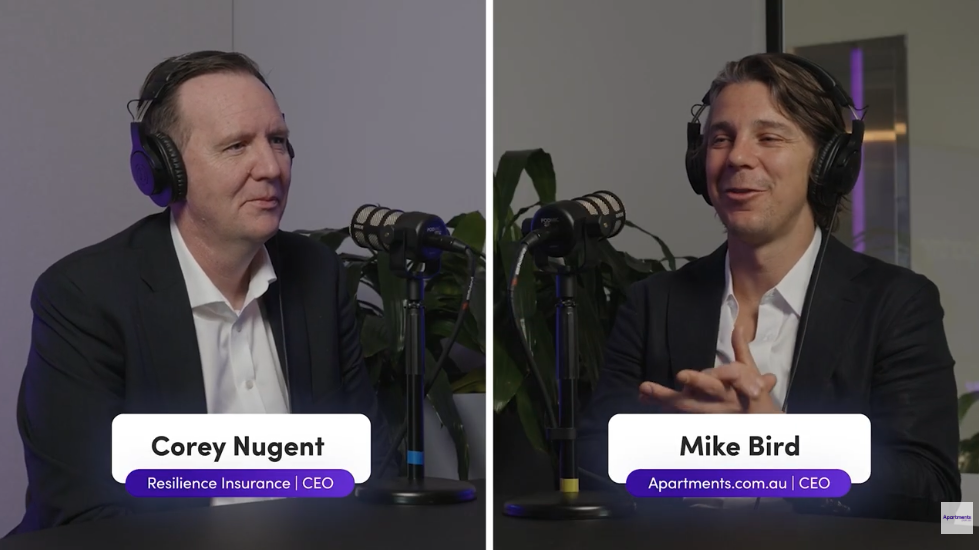
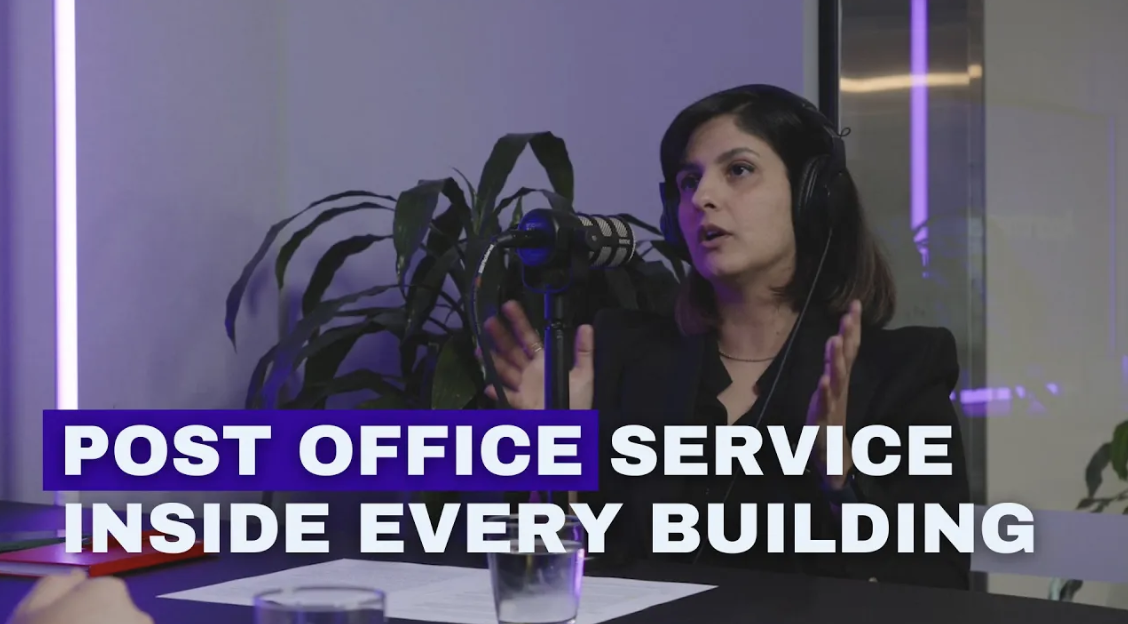
In a recent Apartments.com.au conversation, host Mike Bird sat down with Ashleigh McInnes, Director of property-focused communications agency Papermill, to discuss what crisis management actually looks like in development, why some brands weather scrutiny better than others, and how a developer’s public profile is becoming a commercial asset in its own right.
McInnes has worked in property communications for around 14 years, having started Papermill from a spare bedroom at 24. The agency began in land PR before moving with the market into apartments, commercial property and, eventually, a broader mix of brand, social, digital, events and strategic communications.
That experience has given McInnes a close view of a sector that can attract criticism more readily than most.
Part of the reason, she argues, is historical. Property development carries baggage from periods when the industry was less regulated and questionable operators helped shape public perceptions. But there is also something more fundamental at work: property matters to almost everyone.
“It’s always been sold as the great Australian dream to own a property,” McInnes said. “So you sacrifice a lot to get a deposit to buy a house. There’s a lot on the line for the end user or the customer.”
A development can involve buyers, neighbours, councils, state governments, planners, financiers, retailers and hospitality operators, often with competing interests. That makes property fertile ground for public debate, and means a planning dispute or project issue can quickly become much larger than the development itself.
There is no communications plan capable of anticipating every problem.
As McInnes explained, developers can prepare messaging around known risks: a difficult planning process, a revised scheme or an issue already emerging behind the scenes. Truly unexpected events are different.
The distinction is important. Crisis preparation is less about predicting the precise headline and more about understanding who needs to hear from the developer, who is authorised to respond and what the organisation stands for before pressure arrives.
That groundwork becomes particularly important for developers choosing to become more visible.
McInnes and Bird pointed to the rise of founder-led property brands, particularly among private developers. While putting a person behind a business inevitably creates greater exposure, it can also establish something difficult for a corporate identity alone to replicate: accountability.
For off-the-plan buyers, that matters. They are being asked to trust a developer with a purchase today for a home that may not exist for several years.
One of the clearest messages from the conversation is that credibility cannot be switched on at launch.
McInnes regularly encounters developers wanting immediate coverage in major financial media once a project hits the market. Her advice is to think much further ahead.
“Brands are built over years, not a flash in the pan or one project,” she said.
Rather than viewing PR as a burst of attention around a sales campaign, McInnes describes a roughly 12-month journey in which corporate news, project milestones, digital publications and expert commentary gradually establish a track record.
That digital history is becoming particularly significant because buyers are researching more deeply. They are searching the developer, examining previous projects and looking for evidence of delivery before committing.
The same applies beyond apartment buyers. Financiers, landowners, government agencies and potential commercial partners can conduct similar due diligence. A credible digital footprint can therefore influence opportunities long before a prospective purchaser enters a display suite.
It is also why McInnes cautions against treating traditional print coverage as the only measure of credible PR. Searchable online reporting remains discoverable well beyond the day it is published, creating a body of third-party information around a developer over time.
The conversation also turned to a channel becoming increasingly important to that research process: video.
McInnes encourages developers to think of themselves as their own “publishing house”. Not every worthwhile story is newsworthy enough for traditional media, but that does not make it irrelevant.
Architecture, collaborators, construction decisions, local businesses and the thinking behind a project can all become useful owned content. Video adds another dimension because buyers can see and hear directly from the people responsible.
That can be especially valuable when targeting interstate purchasers, who may not know the local development landscape or have the opportunity to regularly visit a project.
McInnes sees LinkedIn as part of the same shift. Corporate pages remain useful, but personal accounts can create greater engagement and familiarity. Importantly, founder-led content does not need to chase viral trends. Her advice is simpler: share something useful.
“Give something away,” she said. “It’s not always about having a point of view on something. It’s about adding value.”
Perhaps the most practical lesson arrives before a project has become a crisis at all.
Developers entering a challenging planning process may instinctively prefer to stay quiet. McInnes argues that this is precisely when communications support can be most useful.
Early engagement creates an opportunity to understand concerns, explain decisions and establish channels of communication before positions become entrenched. Papermill’s role, she says, increasingly overlaps with community relations for that reason.
In some cases, people initially expected to oppose a development have ultimately become buyers.
The broader point is straightforward: crisis management in property does not begin when a journalist calls.
It begins with the reputation a developer has already built, the information people can find when they search its name, the relationship it has established with its community and the willingness of its leaders to be visible when things are going well.
Because when something does go wrong, there is rarely time to start building trust from scratch.

Speak to the team about leveraging the Apartments.com.au audiences and services for your new development.

Greg Billings
Director of Residential Projects

Sonia Fava
Director

Nick Clydsdale
Senior Director

Heath Thompson
Director

Todd Matheson
Director

Thomas Panson
Project Sales & Marketing Agent

Scott Jessop
Head of Sales & Marketing

Alex Adams
Head of Sales & Marketing and
Head of New Business







.jpeg)




.jpg)


.png)




-03.png)









.png)

.png)
.png)






_page-0001.jpg)

.png)








.png)



.png)


-01.png)


