By
Joel Robinson
•
4
min read


For many apartment buyers, the question is no longer simply whether they prefer a new home or an established one. It is whether they can trust what they are buying.
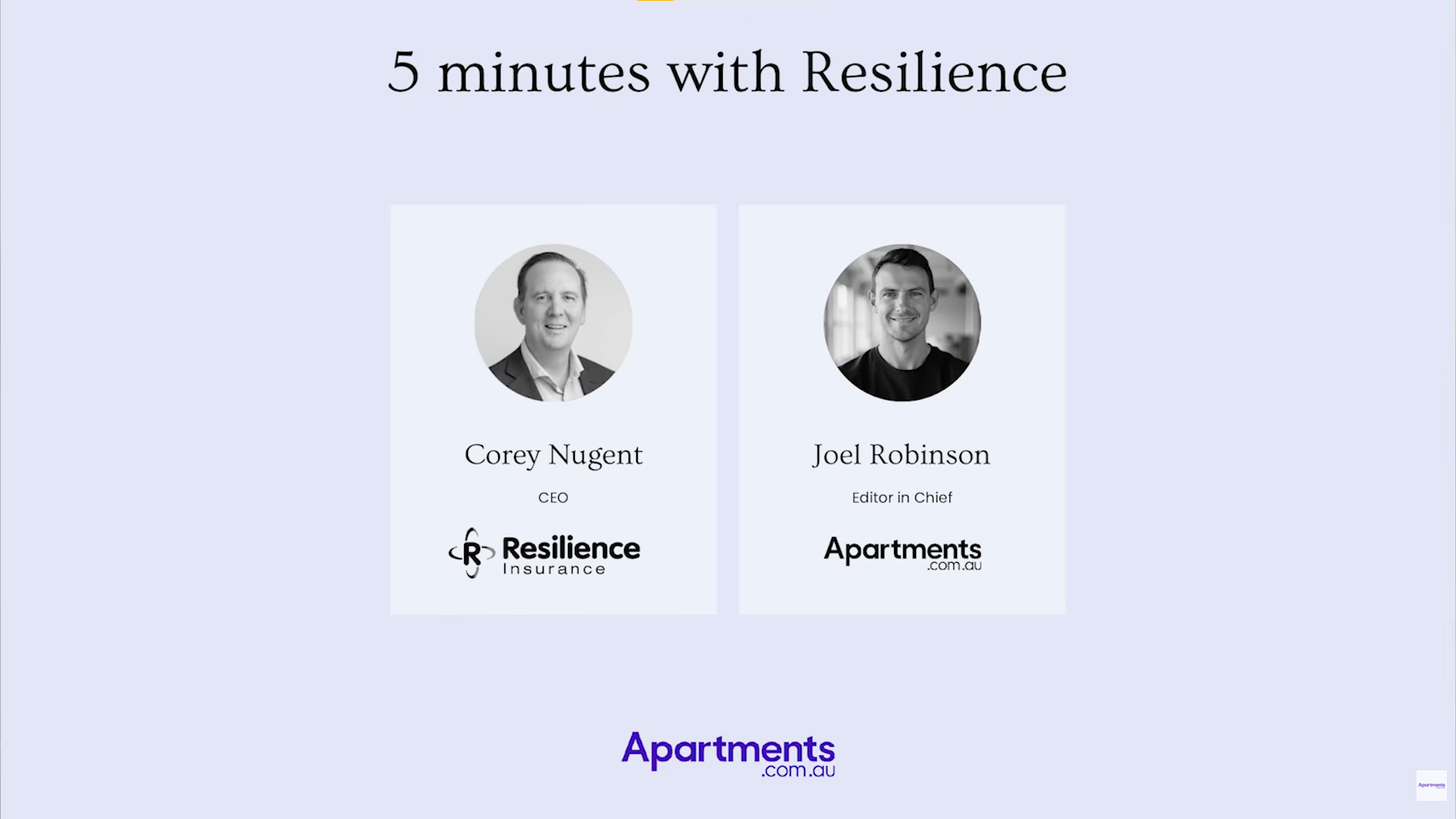
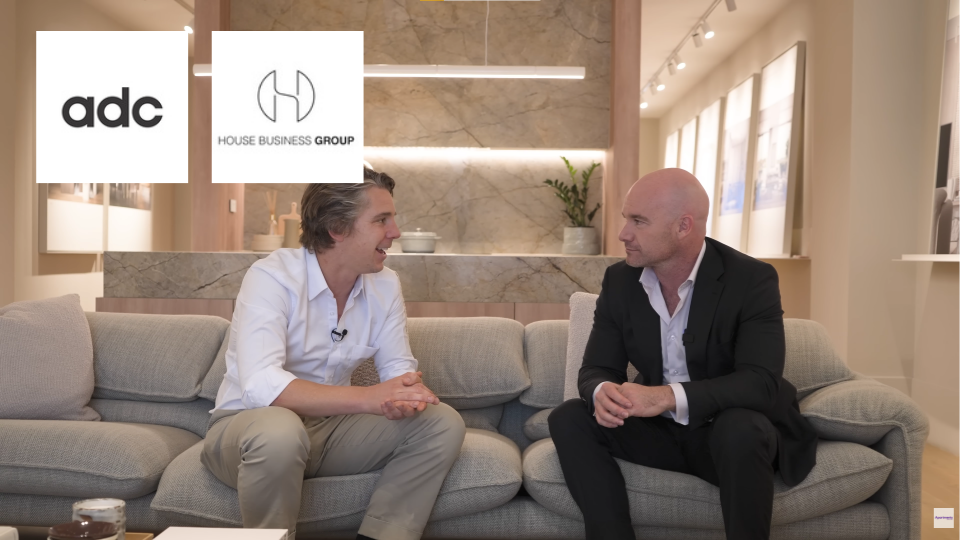
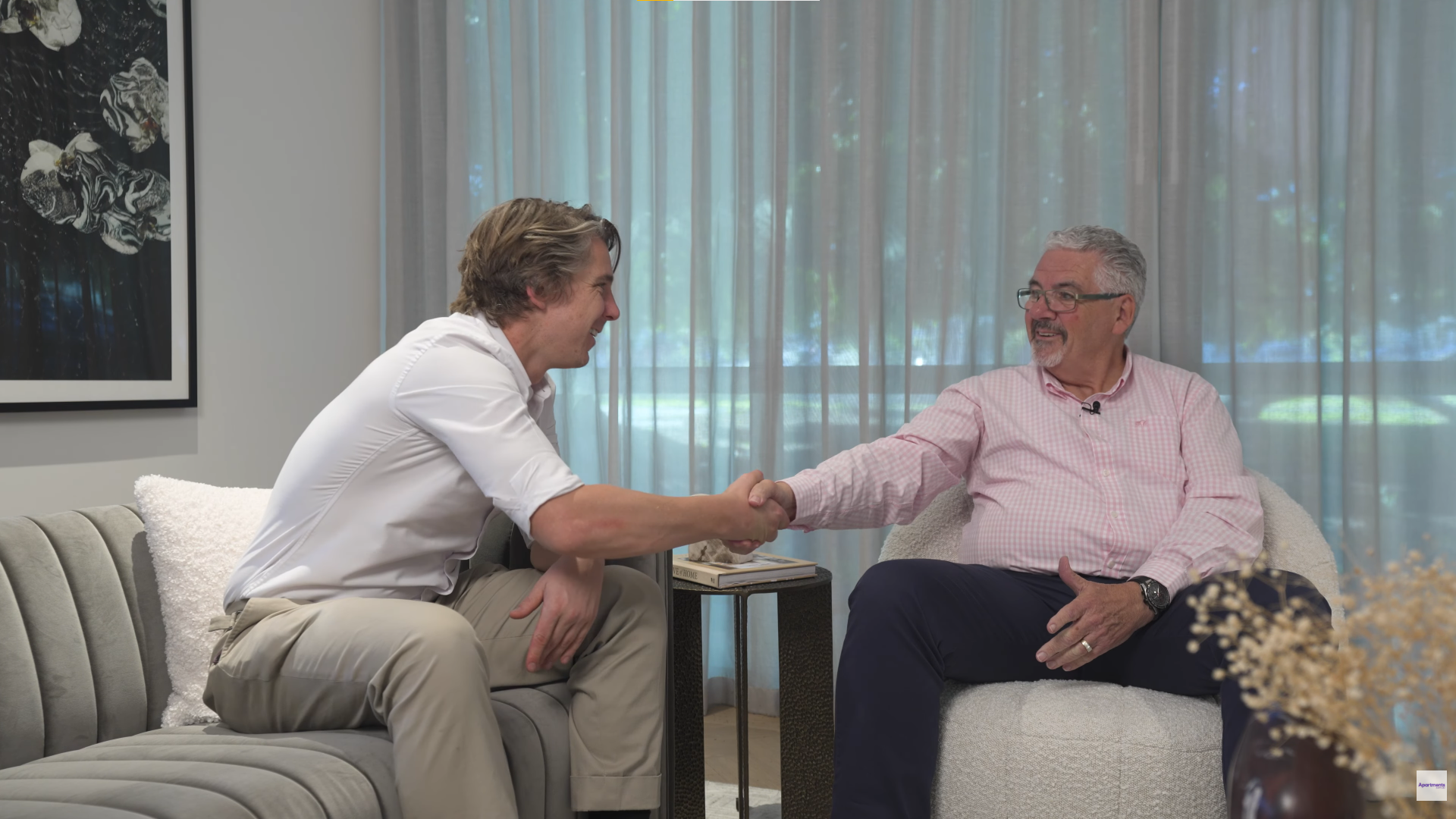
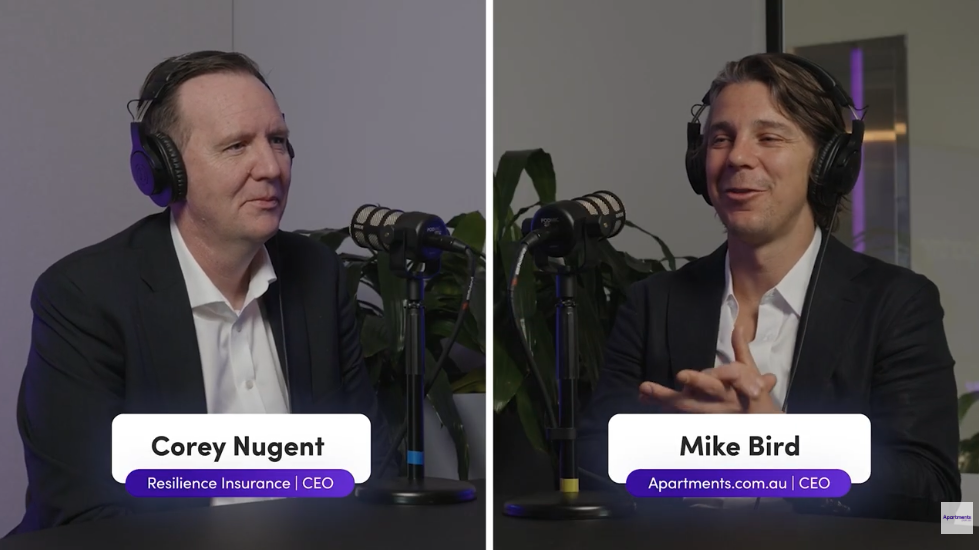
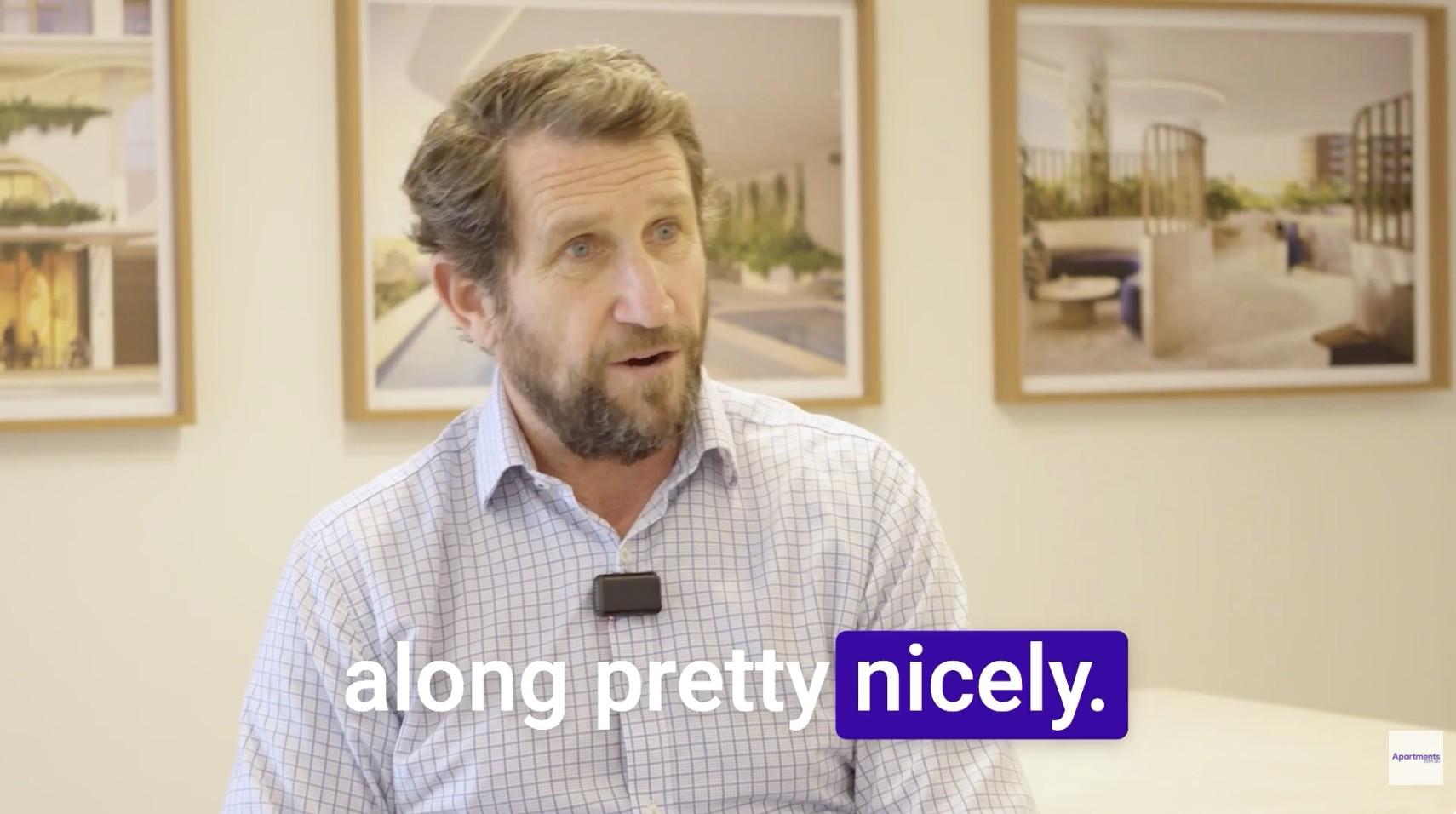
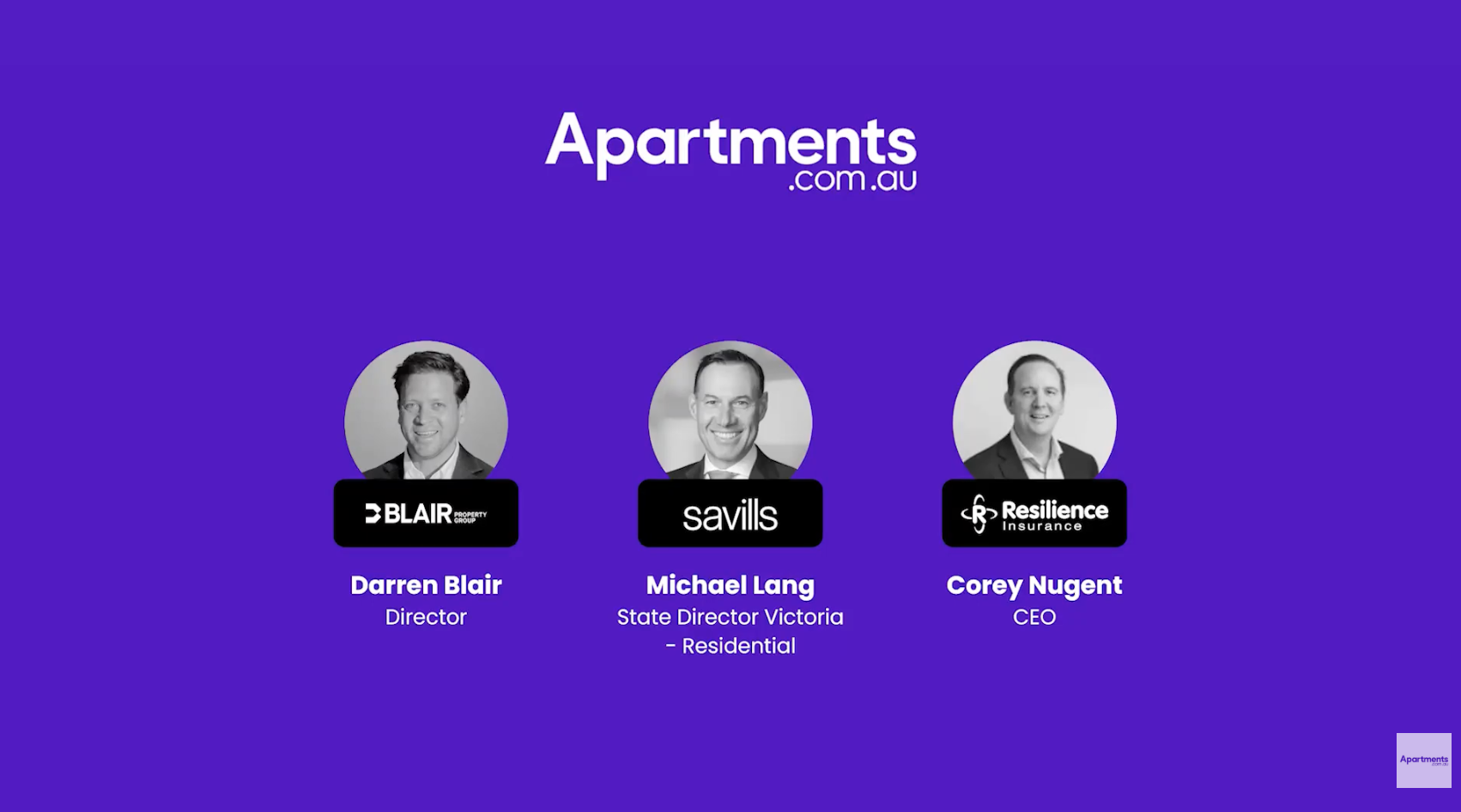
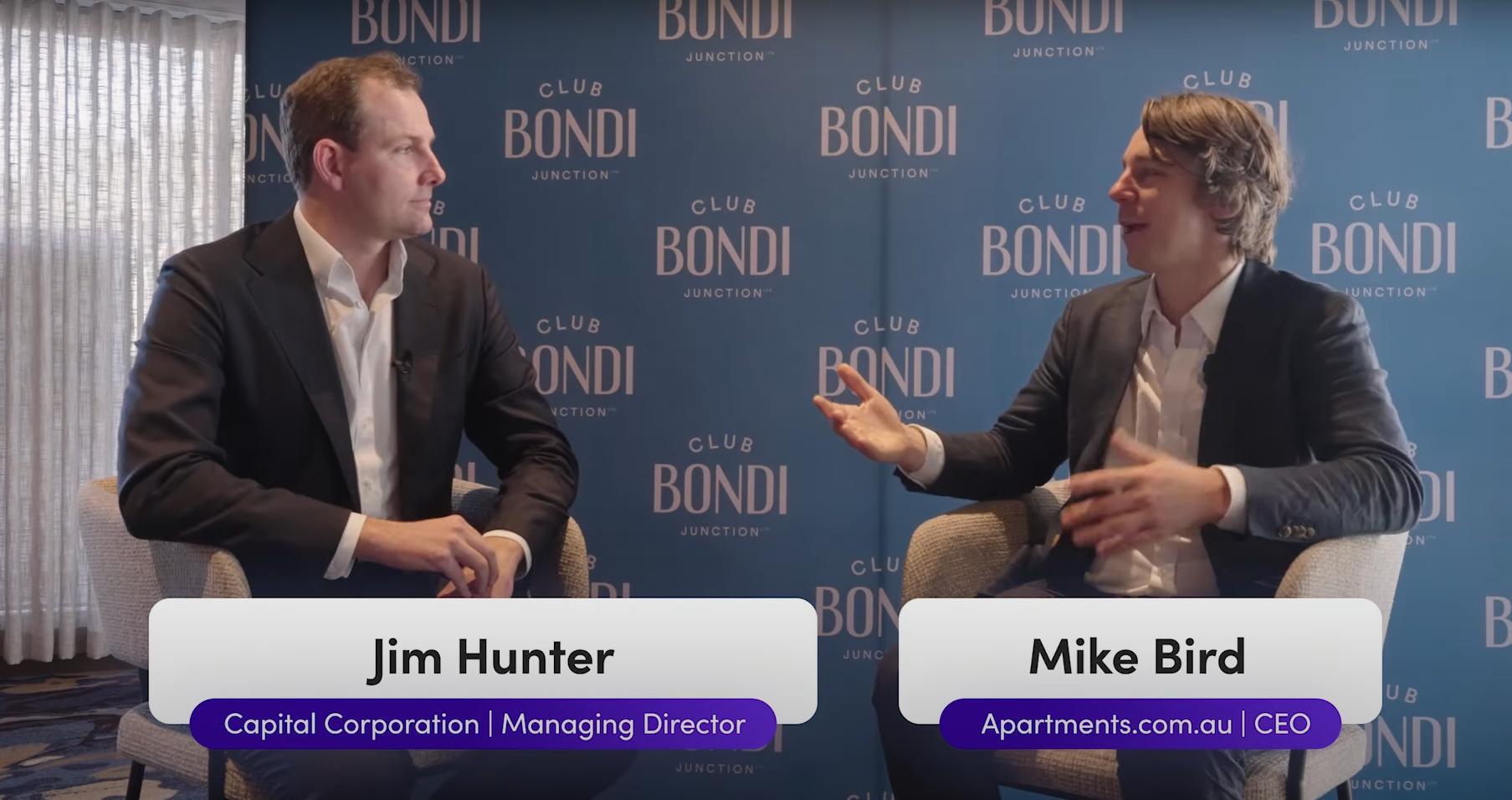
That confidence gap sits at the centre of a conversation between Apartments.com.au CEO Mike Bird and Resilience Insurance CEO Corey Nugent, who discuss the rapid growth of Latent Defects Insurance (LDI), Victoria’s changing regulatory landscape and why longer-term protection could become an increasingly important distinction between new and established apartments.
As Nugent puts it, Australia’s apartment sector has no shortage of quality developers and builders. The problem is that the projects that go wrong tend to dominate the conversation.
“The vast majority of builders and developers in this market are fantastic. They build great product,” he says. “So what’s the gap? We have a confidence gap.”
That conversation has taken on new significance in Victoria following legislative changes designed to provide greater protection against defects in apartment developments.
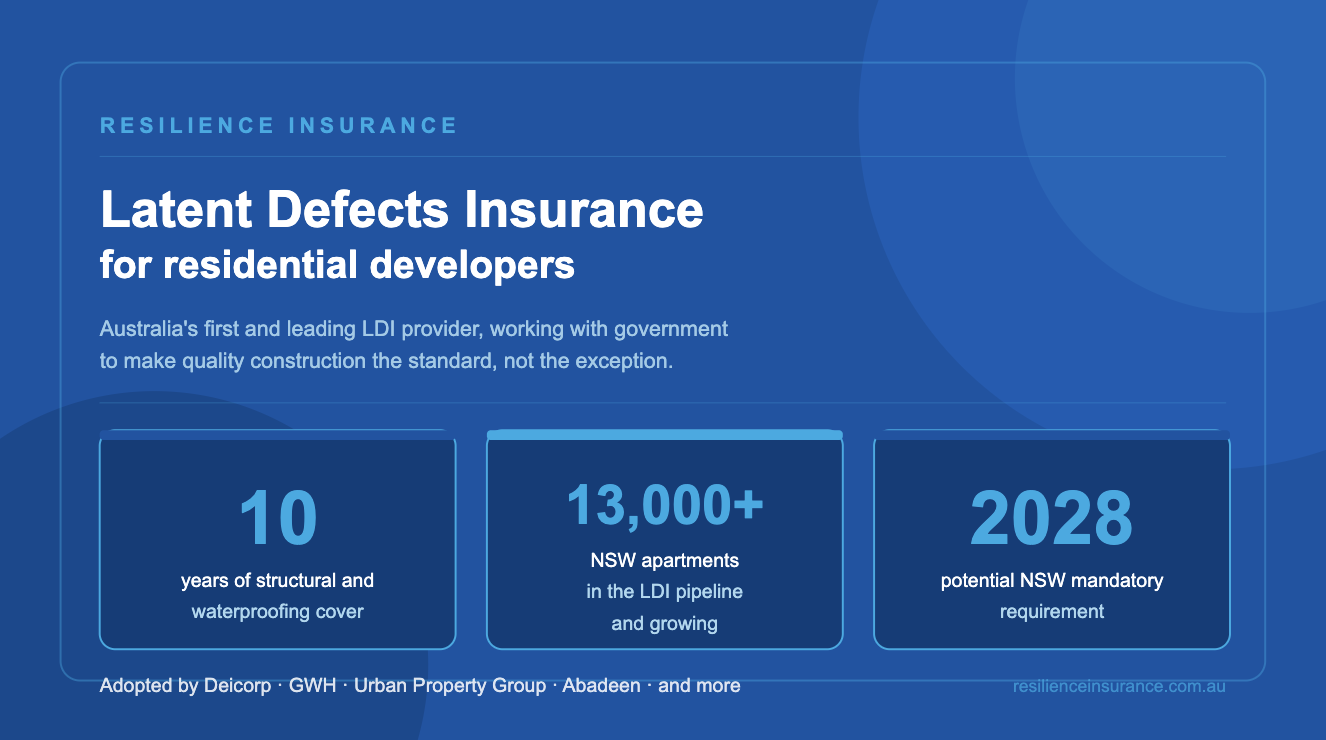
Nugent explains that developers will have the option of a bond or an eligible LDI product such as Resilience. The distinction between those approaches is largely one of duration and the type of protection provided.
According to Nugent, a bond provides security for two years, a timeframe he argues can leave buyers exposed because significant latent defects may emerge later. Resilience LDI, by comparison, provides 10 years of first-resort, strict-liability cover after completion.
For buyers, that means the policy is intended to respond to covered latent defects without first requiring them to pursue the builder or developer through potentially lengthy disputes.
Nugent says the cover extends to the value of the construction and is designed around the types of major defects that can prove particularly costly for apartment owners, including waterproofing, fire systems, façades, structural stability and other structural elements.
These are not simply construction issues. In strata communities, serious defects can translate into special levies, disputes and litigation years after buyers have moved in.
Bird argues that this additional layer of protection could also change how buyers compare new and established apartments.
New apartments typically command a premium over established stock, but buyers have historically had to weigh the appeal of a brand-new property against uncertainty about construction quality. An established apartment, meanwhile, offers the advantage of being able to see the completed building and, to some extent, its track record.
LDI introduces another consideration.
Bird compares it with the difference between buying a new and used car: buyers may be prepared to pay more for something new when meaningful protection comes with it.
For Nugent, that protection is important because the underlying hesitation around off-the-plan property is often not a lack of desire for a new home, but concern about what could happen after settlement.
“What is their risk? What is their exposure? What’s going to go wrong?” he says. “The only way to get over that is to take that risk away from the consumer.”
There is also a longer-term dimension. Because the Resilience policy runs for 10 years after completion, its relevance can extend beyond the original purchaser to subsequent owners during the insured period. Bird suggests that could ultimately become another point of differentiation in the resale market as a new generation of insured buildings begins to compete with older apartment stock.
Perhaps the clearest sign of the shift is not regulatory, but behavioural.
During the discussion, Bird shares data from Apartments.com.au’s Buyer Intelligence Hub, which allows developers and project marketers to see which articles mentioning their developments are attracting the most attention.
Among developments with LDI, Bird says that for more than half of the developers examined, the most-read article mentioning their brand was the article about latent defects insurance.
That surprised him.
Rather than incentives or offers necessarily generating the strongest interest, buyers were actively going deeper into information explaining what the insurance was and how it worked.
For Bird, that suggests LDI is moving from an industry consideration into something buyers themselves are beginning to recognise when comparing projects.
Apartments.com.au consequently plans to introduce the ability for users to search for developments by LDI status, making insured projects easier to identify on the platform.
Sydney provides an early indication of how broadly the concept could spread.
Nugent says Resilience LDI is now being adopted across a wide range of projects, from boutique developments worth several million dollars through to projects valued in the hundreds of millions. Developers he identifies in the discussion include Deicorp, Third.i, DASCO and Urban Property Group.
The common thread, he argues, is not project size but the ability to give buyers greater certainty while reducing longer-term risk for developers themselves.
Queensland is at an earlier stage. Nugent expects adoption there to be slower, although Resilience is already working with projects in the state. What is notable, he says, is how early some Queensland developers are starting the conversation, in some cases during planning.
That allows LDI to be considered as part of the project from the outset rather than added near completion, while also giving developers the opportunity to communicate that protection during the sales campaign.
With substantial new apartment supply expected across South East Queensland in the years ahead, the question of construction quality, and how buyers can protect themselves from major defects, is unlikely to disappear.
The broader shift discussed by Bird and Nugent is ultimately about making risk more visible. For years, apartment buyers have been asked to assess the reputation of a developer, builder and project before committing off the plan. LDI adds something more tangible to that equation: a defined period of financial protection if covered latent defects emerge after completion.
As buyers become more aware of that distinction, the question may increasingly change from “What happens if something goes wrong?” to “What protection does this building actually have?”

Speak to the team about leveraging the Apartments.com.au audiences and services for your new development.

Greg Billings
Director of Residential Projects

Sonia Fava
Director

Nick Clydsdale
Senior Director

Heath Thompson
Director

Todd Matheson
Director

Thomas Panson
Project Sales & Marketing Agent

Scott Jessop
Head of Sales & Marketing

Alex Adams
Head of Sales & Marketing and
Head of New Business

.png)







.jpeg)



.jpg)


.png)





-03.png)









.png)

.png)

.png)






_page-0001.jpg)

.png)








.png)



.png)


-01.png)


