By
Joel Robinson
•
3
min read


Apartment buyers are asking more questions than ever about what protects them after settlement, and developers are increasingly looking beyond the traditional safeguards to provide an answer.
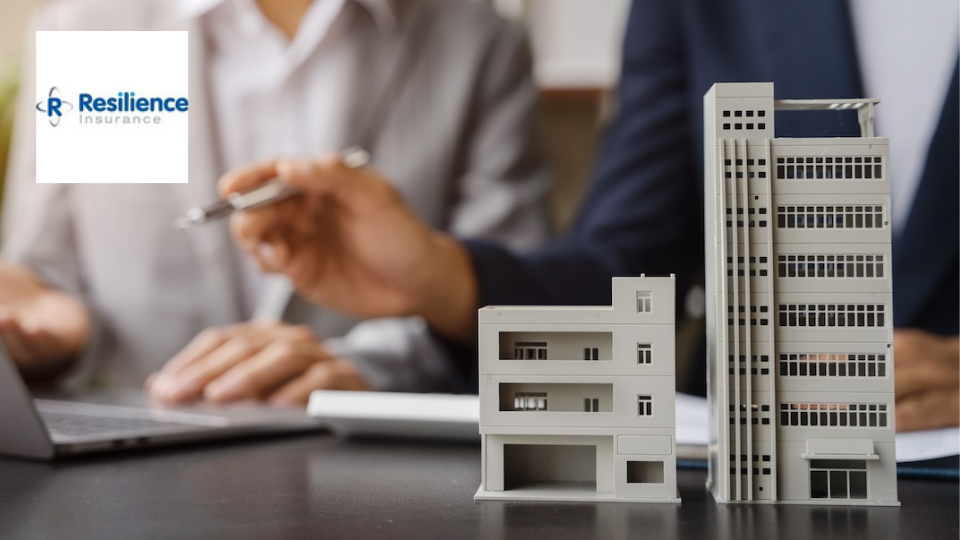
One of the fastest-growing is Latent Defects Insurance (LDI).
Introduced to Australia by Resilience Insurance in 2022, LDI is now approaching 20,000 apartments across New South Wales that are either covered or will be once completed.
Its rise has been accelerated by a significant legislative change.
In August, the NSW Parliament passed the Fair Trading and Building Legislation Amendment Bill 2026, formally recognising approved 10-year defect insurance as an alternative to the Strata Building Bond and Inspections Scheme.
Developers of residential strata buildings of more than three storeys can now choose between lodging a bond under the existing scheme or meeting their statutory obligations through an approved decennial insurance policy.
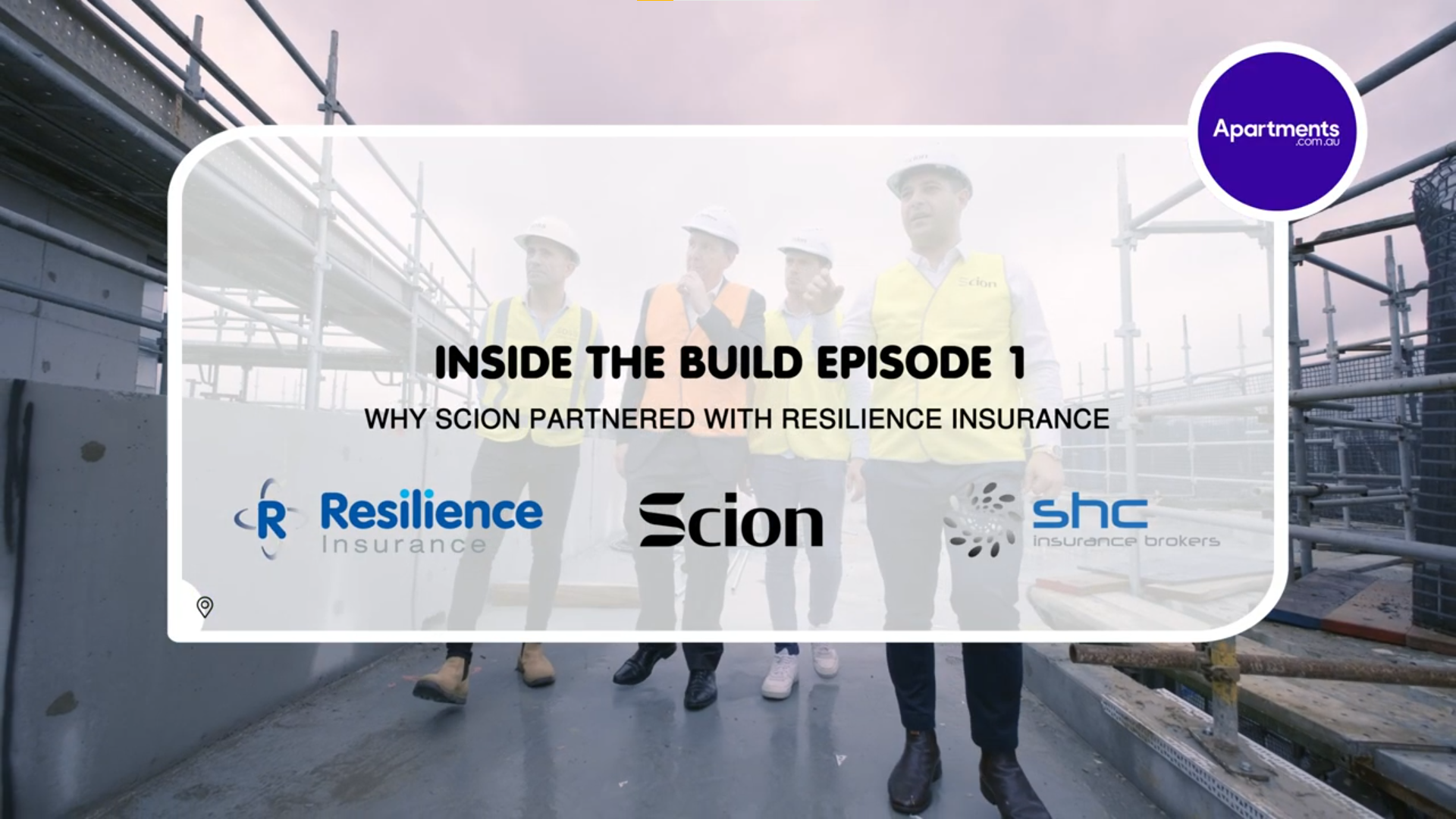
Resilience Insurance is currently the only approved provider listed by Building Commission NSW.
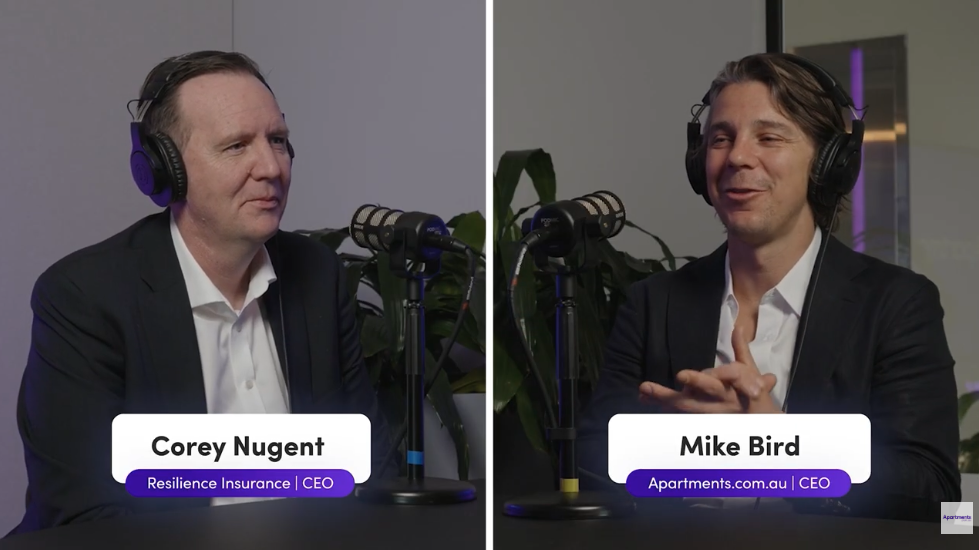
"This is protection apartment buyers have needed for a long time," Resilience Insurance CEO Corey Nugent said following the passage of the legislation, describing it as "what good, evidence-based regulation looks like".
NSW is the third Australian jurisdiction to legislate for decennial cover, following the ACT and Victoria.
The two systems approach buyer protection differently.
Under the strata bond scheme, developers currently lodge two per cent of the building contract price, with independent inspections undertaken during the first two years following completion. Defects identified during that period are rectified by the developer or funded from the bond if they are not.
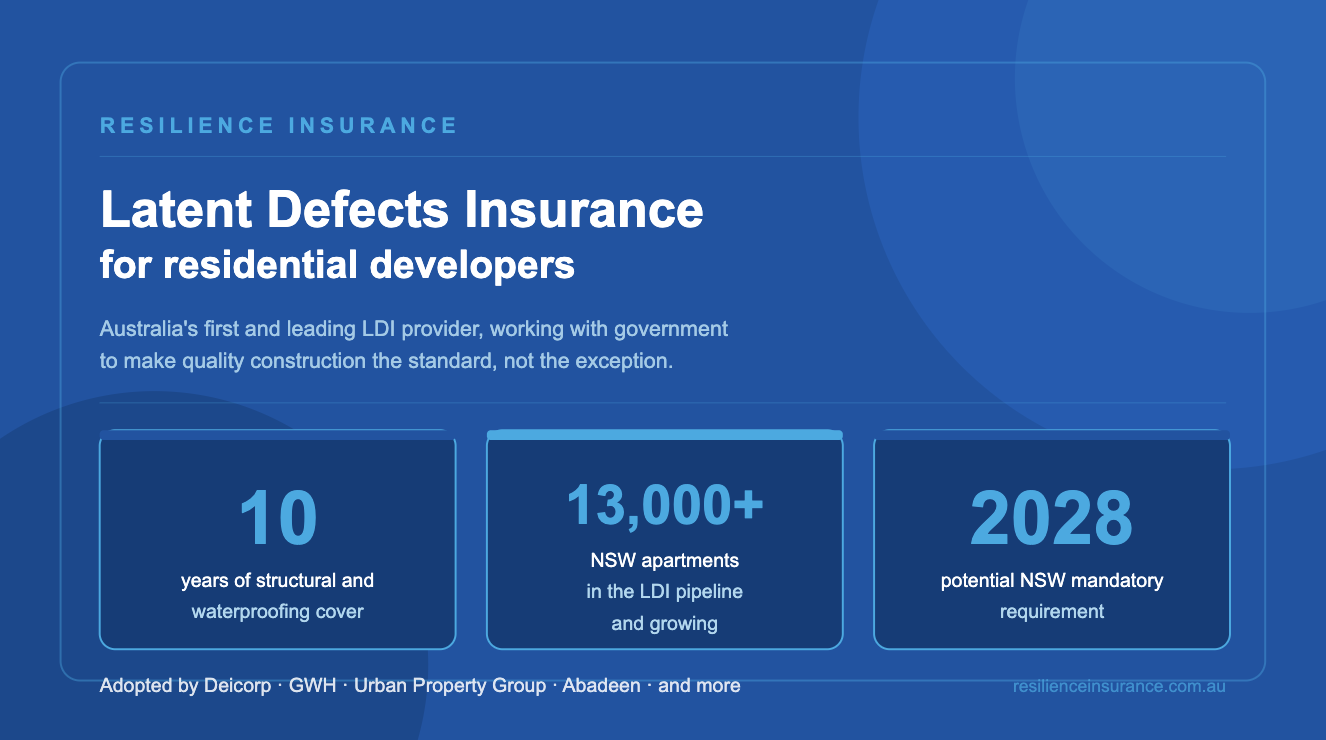
LDI extends that protection to 10 years.
The policy is attached to the building rather than an individual owner, meaning it automatically transfers when an apartment is sold. It can cover major structural, waterproofing, electrical and fire safety defects, along with certain building services and design-related defects.
Importantly, owners claim directly with the insurer without having to establish negligence or pursue the developer or builder through the courts.
But arguably just as important as the insurance itself is what happens before buyers receive their keys.
LDI incorporates an independent Technical Inspection Service throughout construction. An independent third party inspects the building at several stages of the build, producing detailed reports and identifying issues while they can still be rectified.
It means the model is not simply designed to insure defects after they occur. It adds another layer of scrutiny during construction to reduce the likelihood of those defects occurring in the first place.
The cost to developers is around 1.8 per cent of construction cost, but increasingly developers are seeing that additional expense as an investment in buyer confidence.
That confidence remains one of the biggest challenges facing the new apartment sector.
Nugent says the overarching feedback from prospective purchasers is that there remains an inherent lack of confidence around buying new apartments.
Early enquiry data suggests buyers are responding when developers address that concern directly. An analysis of projects listed on Apartments.com.au found buyers were more than 53 per cent more likely to enquire on a development with Latent Defects Insurance compared with a project without the policy.
It is not replacing the fundamentals of apartment buying. Purchasers will continue to assess location, price, floorplan, amenity and, importantly, the track record of the developer and builder.
Many developers without LDI continue to deliver high-quality projects backed by existing statutory protections, warranties and after-sales programs.
What LDI provides is another way for developers to demonstrate confidence in what they are building, while giving buyers a tangible layer of long-term protection.
The strongest indication of its growing acceptance may be what happens after a developer uses it for the first time.
Increasingly, they use it again.
Deicorp has adopted LDI across more than 10 projects, spanning major high-rise and masterplanned developments. Urban Property Group was among the early supporters of the policy when it first entered the Australian market.
Builder-developer DASCO has LDI across both of its major live Sydney projects, Senso in Epping and Danks Street District in Waterloo, and is set to make it three with its upcoming Manhattan development in St Leonards.
The policy is also moving well beyond Sydney. GWH recently launched the first stage of its multi-stage Cambridge Quarter precinct in Newcastle West with LDI in place, having previously adopted the policy at its nearby ERA Newcastle development.
With the NSW Government also flagging mandatory defect insurance for high-rise buildings by 2028, that adoption is likely to continue.
For apartment buyers, the shift ultimately comes down to something much simpler. They now have greater visibility over how their building has been scrutinised during construction, and potentially a direct insurance pathway protecting it for a decade after completion.

Speak to the team about leveraging the Apartments.com.au audiences and services for your new development.

Greg Billings
Director of Residential Projects

Sonia Fava
Director

Nick Clydsdale
Senior Director

Heath Thompson
Director

Todd Matheson
Director

Thomas Panson
Project Sales & Marketing Agent

Scott Jessop
Head of Sales & Marketing

Alex Adams
Head of Sales & Marketing and
Head of New Business