By
Joel Robinson
•
4
min read


For decades, Australians buying a brand-new apartment have faced a question that doesn't always have a straightforward answer: what happens if something goes seriously wrong with the building after they've moved in?
A leaking facade, defective waterproofing or structural issue can quickly become a costly problem for an owners corporation. While there are avenues to pursue the developer or builder responsible, establishing liability and securing rectification can involve years of disputes and legal costs.
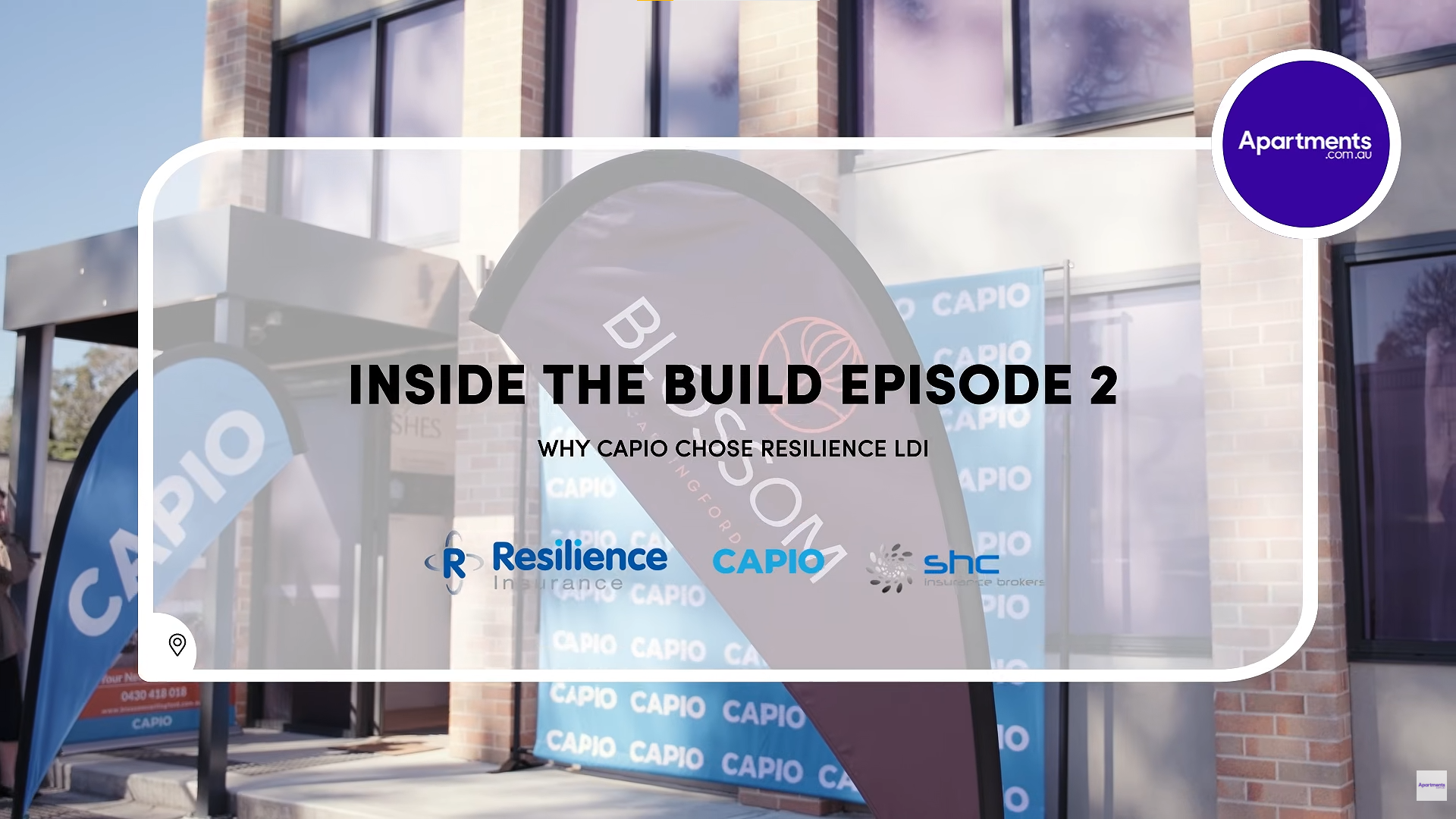
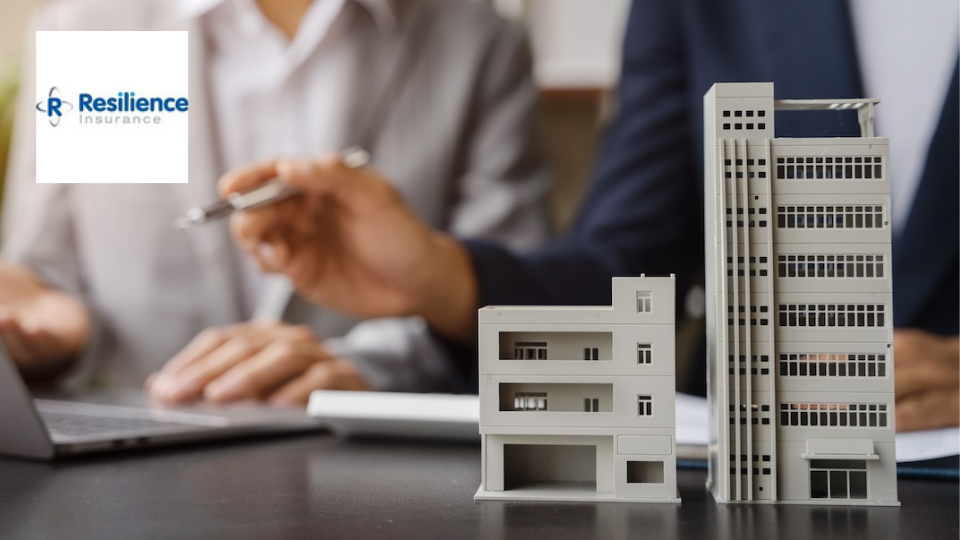
It's a problem Sydney-based Resilience Insurance set out to address when it introduced Latent Defects Insurance (LDI) to Australia, bringing a product already established internationally to the local apartment development industry.
Now, with governments in New South Wales, Victoria and the ACT moving to formally recognise and encourage the insurance, what began as a solution closely associated with Sydney's building reforms is increasingly becoming a national proposition.
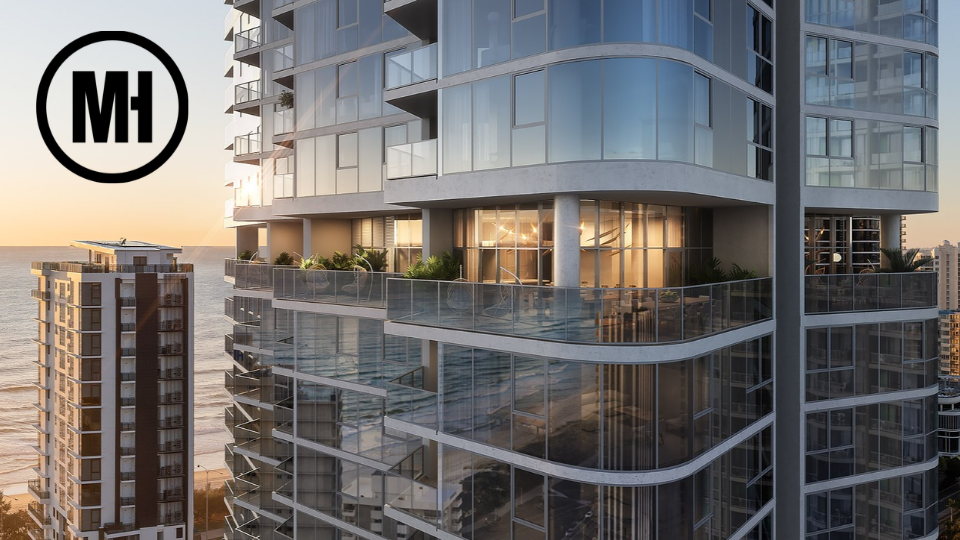
For apartment markets such as the Gold Coast, where new developments continue to reshape the skyline and buyers are committing significant sums to off-the-plan purchases, the implications could be considerable.
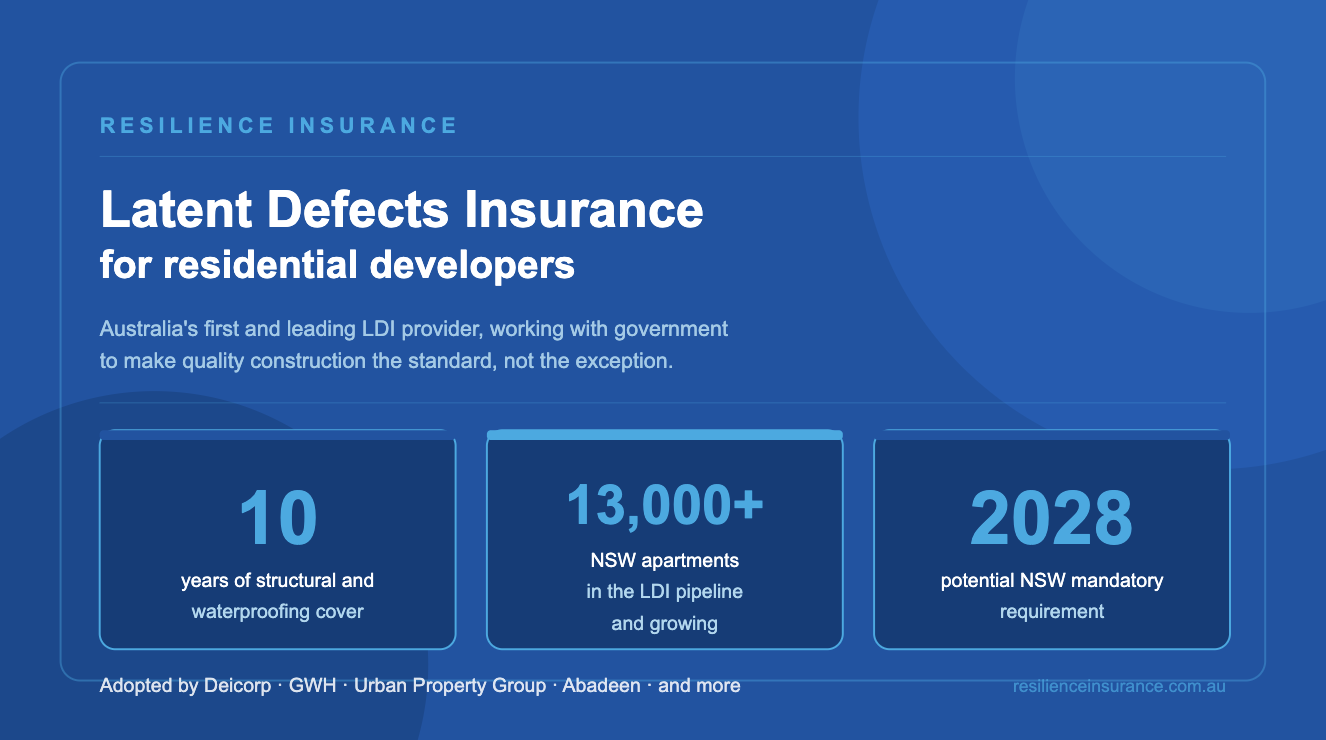
Resilience LDI provides 10 years of insurance protection against specified serious defects in new apartment buildings, with cover arranged by the developer before construction and operating for the benefit of owners following completion.
Unlike traditional arrangements where an owners corporation may need to pursue the builder or developer to recover the cost of fixing defects, LDI operates as first-resort insurance.
That means owners can make a claim directly with the insurer for an insured defect, without first having to establish who was responsible or take the matter through the courts.
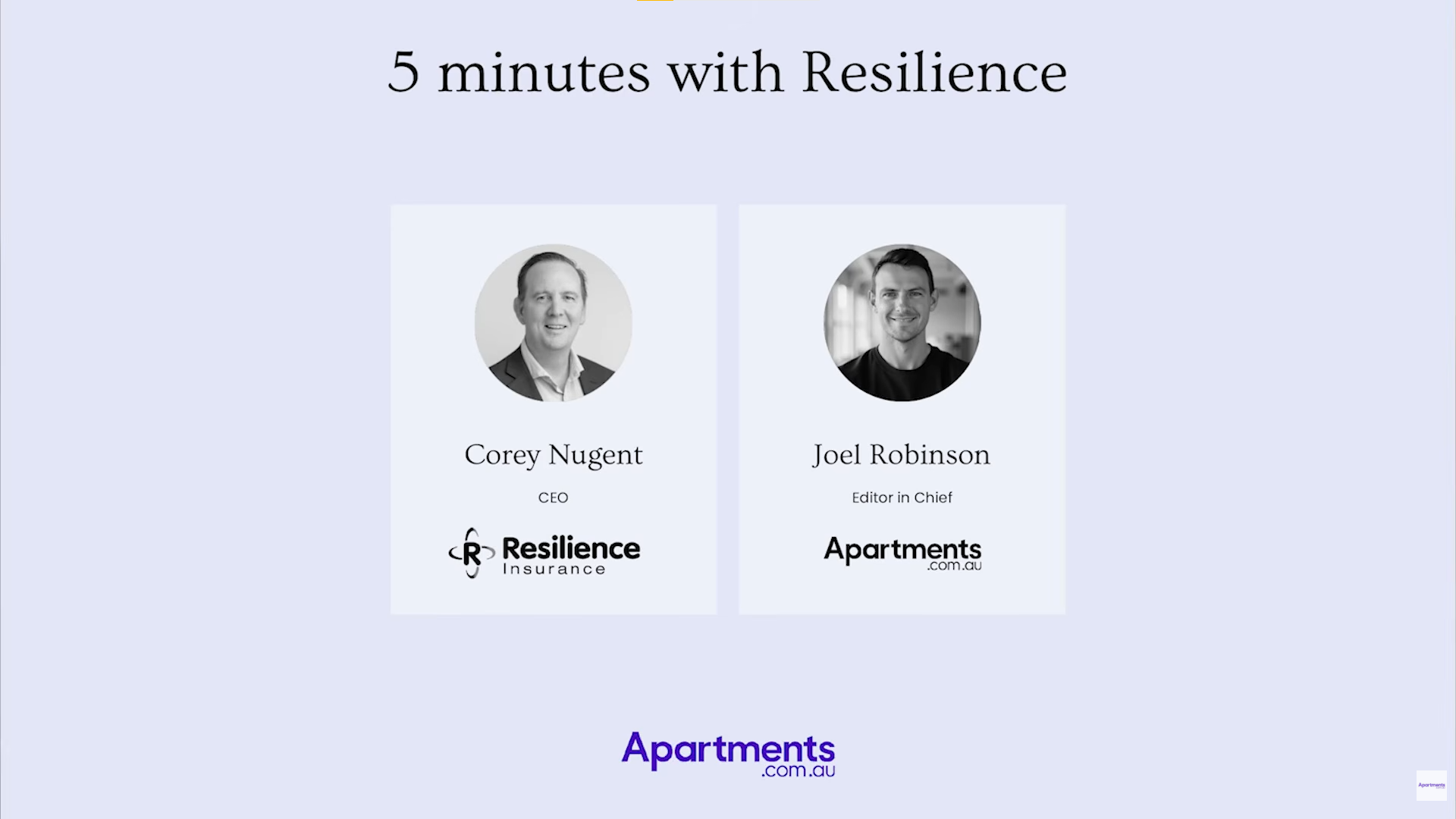
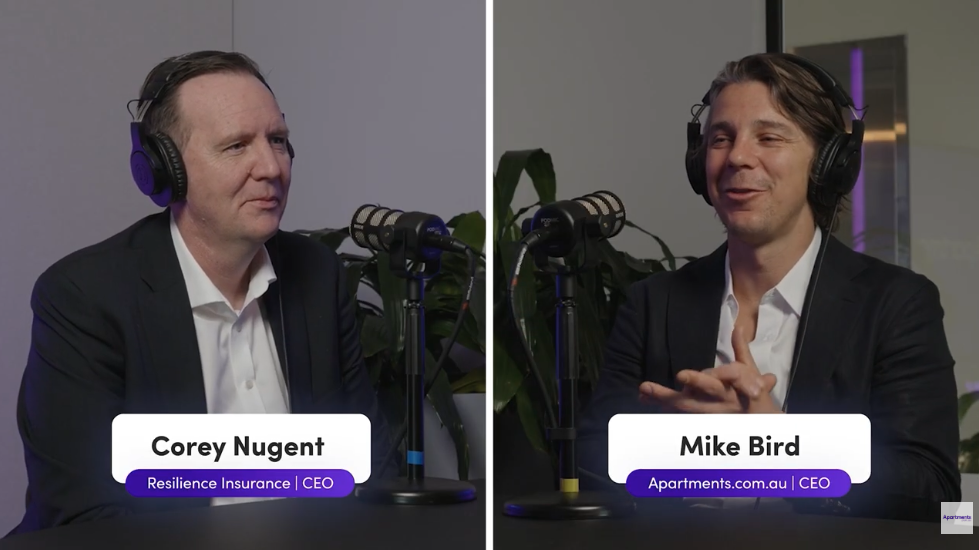
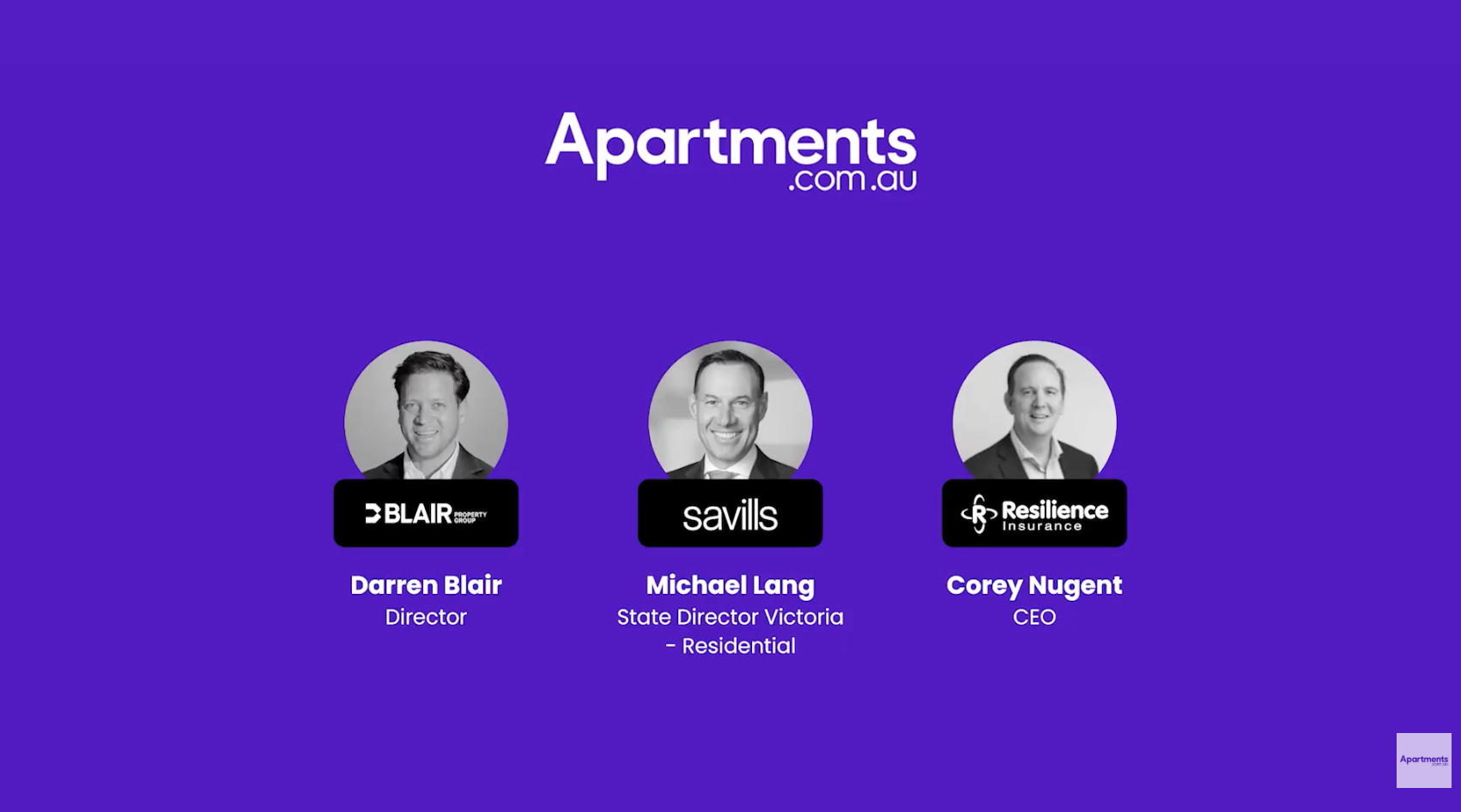
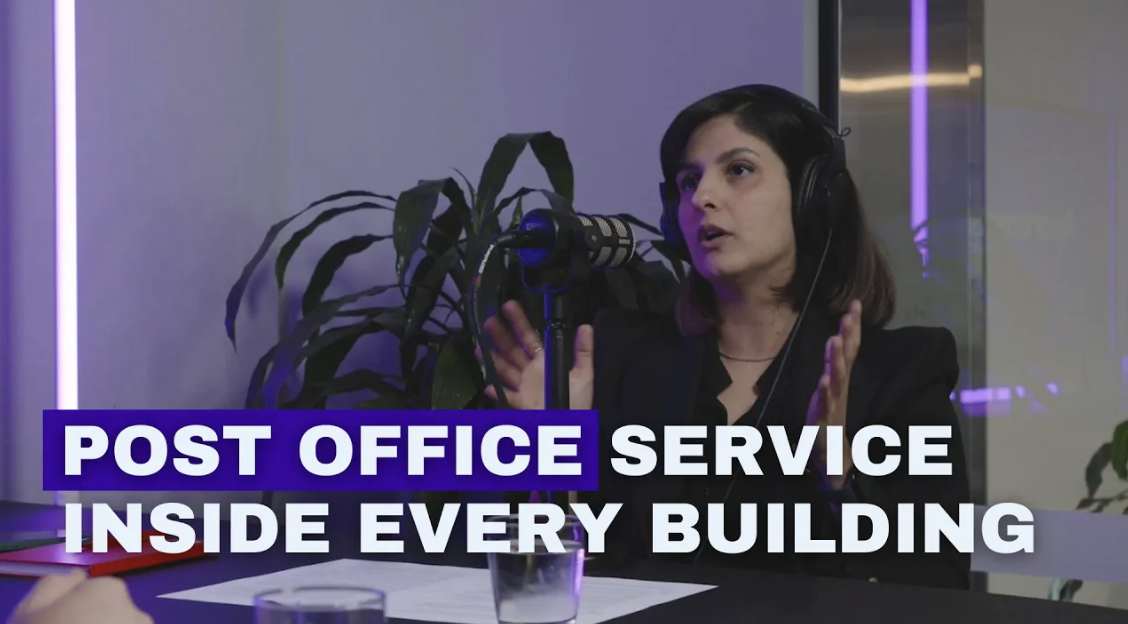
"Ultimately what we're trying to do is build better buildings the consumers can have trust in, but more importantly improve the post completion and settlement process, so that when buyers take possession, they have full insurance protection, from day one, for 10 years," Resilience Insurance CEO Corey Nugent says.
The protection doesn't extend to every minor issue that might arise in a new apartment. Policies are designed around defined latent defects affecting critical building elements, including structural components and specified waterproofing failures, subject to the policy terms.
But the insurance itself is only part of the proposition.
Independent technical inspectors are engaged to review critical elements of the design and construction process, identifying potential problems while they can still be addressed.
That inspection program begins before construction, rather than being introduced after a building has been completed and defects have already emerged.
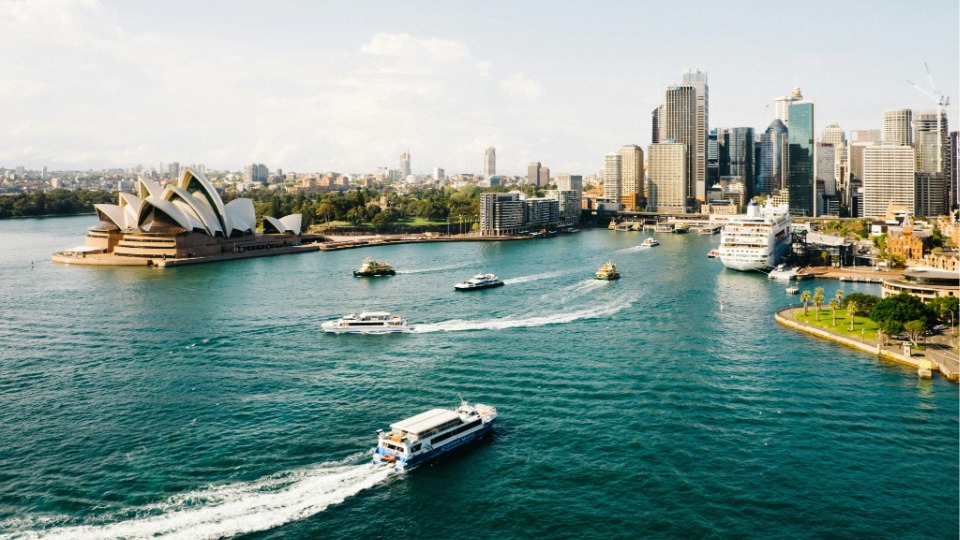
It's a proposition that has gained traction in Sydney, where developers including Deicorp, Abadeen, Coronation Property and Urban Property Group have adopted the insurance across selected projects.
The city's experience has been shaped partly by the high-profile failures of Opal Tower and Mascot Towers, which exposed the financial and emotional consequences serious building defects can have for apartment owners.
Those failures also helped accelerate regulatory reform.
In 2023, the NSW Government legislated to recognise Decennial Liability Insurance, the regulatory term for 10-year latent defects cover, as an alternative to the existing Strata Building Bond and Inspection Scheme.
Under that arrangement, developers of eligible apartment buildings can obtain compliant insurance instead of providing the traditional building bond, which has generally been set at two per cent of construction costs.
The government took another step in August 2026, passing further legislative amendments to strengthen the framework for the insurance and consumer protections.
Victoria has since moved in a similar direction, passing legislation in 2026 establishing a framework for approved 10-year insurance as an alternative to its developer bond scheme for residential apartment buildings above three storeys, subject to the relevant provisions commencing.
The ACT has also introduced proposed amendments to its Property Developers Act 2024, offering incentives for developers to obtain compliant LDI and indicating it will investigate making the insurance mandatory for Class 2 apartment buildings in the future.
While the legislative approaches differ, the direction is increasingly consistent: governments are looking for ways to provide apartment owners with financial protection while encouraging developers and builders to address quality issues before buildings are occupied.
For Queensland, the discussion is particularly relevant.
The Queensland Building and Construction Commission administers a statutory home warranty insurance scheme that provides protection for eligible residential construction work, including certain structural defects.
However, buildings over three storeys, excluding a level used mainly for parking, generally fall outside that scheme.
That means many of the apartment towers being delivered across the Gold Coast do not benefit from the same statutory warranty insurance arrangements available to buyers of detached houses and lower-rise residential buildings.
Queensland has other building defect protections and legal remedies, but these are not equivalent to a 10-year first-resort insurance policy.
Resilience has already begun establishing a presence in Queensland, with advanced negotiations on several upcoming developments well advanced. The move to LDI is alive and active among prominent Gold Coast and Brisbane developers seeking to leverage the significant upside sales benefits that LDI brings to market.
The opportunity is particularly relevant on the Gold Coast, where developments across Southport, Surfers Paradise, Broadbeach, Burleigh Heads and Palm Beach continue to attract owner-occupiers, including downsizers moving from substantial family homes into large apartments.
For those purchasers, the developer's track record and the builder's reputation are important considerations. LDI offers another layer of assurance, with independent inspections during construction and financial protection against insured defects after completion.
For developers, it provides a way to demonstrate their commitment to building quality beyond the traditional promises made during an off-the-plan sales campaign.
It could also become a point of differentiation as purchasers become more informed about the risks associated with buying off the plan, particularly in a market where apartments can command several million dollars.
The broader opportunity for Resilience isn't necessarily about the number of projects currently insured in Queensland. It's about whether 10-year protection becomes something buyers increasingly expect when purchasing a new apartment.
With three Australian jurisdictions now advancing specific legislative frameworks for long-term apartment defect insurance, the industry is moving towards a model where construction quality and financial protection are more closely connected.
For Resilience, that shift represents an opportunity to take what has been established in Sydney into apartment markets around the country, including the Gold Coast, where confidence in the quality of new buildings remains an important part of the purchasing decision.

Speak to the team about leveraging the Apartments.com.au audiences and services for your new development.

Greg Billings
Director of Residential Projects

Sonia Fava
Director

Nick Clydsdale
Senior Director

Heath Thompson
Director

Todd Matheson
Director

Thomas Panson
Project Sales & Marketing Agent

Scott Jessop
Head of Sales & Marketing

Alex Adams
Head of Sales & Marketing and
Head of New Business