By
Joel Robinson
•
5
min read


Buying an apartment years before completion doesn't necessarily mean buyers need to hand over tens or hundreds of thousands of dollars in cash when they sign the contract.
Downsizers buying an off-the-plan apartment due for completion in 2029 might not be planning to sell their family home for another two or three years.
It's one of the main attractions of buying off the plan. Buyers can secure their next home at an agreed price, continue living in their existing property and organise their move closer to completion.
But while the apartment might be years away, the deposit is typically required when contracts are exchanged.
For someone buying a $1.5 million apartment, a standard 10 per cent deposit means finding $150,000 well before they're ready to move.
What many buyers don't realise is that they may not need to hand over that cash at exchange.
By asking if that money could be working harder for you over the build time, an alternative option could be a deposit bond. A deposit bond lets you secure your apartment now, without paying the cash deposit upfront, allowing you to keep the money with you, as equity in your current home, in a mortgage offset, superannuation or savings.
It is an alternative worth understanding before exchanging contracts - think of it as delaying the upfront cash deposit until settlement.
When buying off the plan, a cash deposit is generally held until settlement. In New South Wales, it must be kept in a trust or controlled money account, rather than being released to the developer during construction. Rules vary between states.
While this provides protection for buyers, it also means that money could be tied up for several years.
Depending on the contract, the deposit may earn interest, with the proceeds paid to the buyer, developer or shared between them.
A deposit bond works differently.
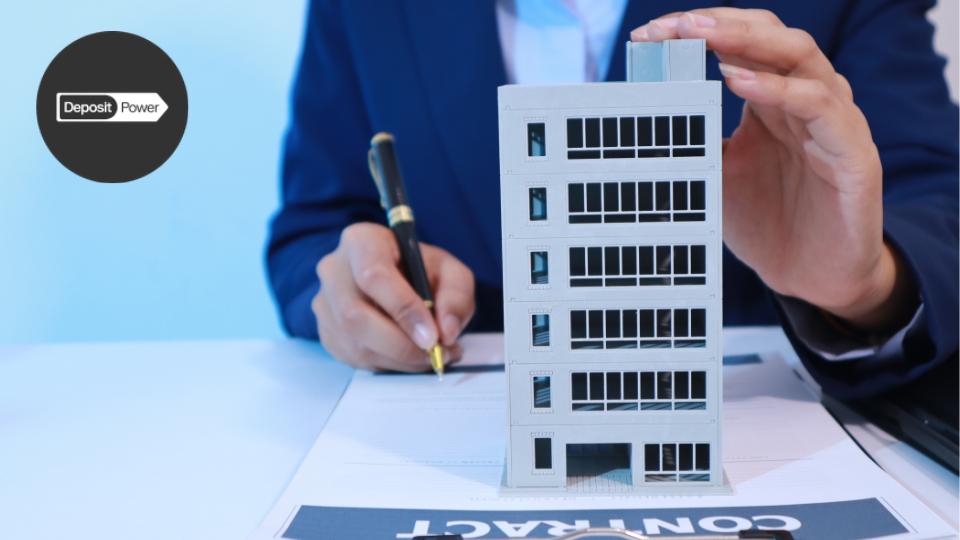
Rather than transferring the full deposit at exchange, the purchaser pays a one-off fee to a provider such as Deposit Power, which arranges a financial guarantee covering the deposit amount until settlement.
The developer receives the bond as security, while the buyer retains the equity or access to the cash they would otherwise have paid.
The buyer remains legally committed to the purchase and must pay the full purchase price at settlement.
Consider a downsizer purchasing a $3 million apartment due for completion in three years.
A standard 10 per cent deposit would require $300,000 at exchange, potentially years before they are ready to sell their family home and move into their new apartment.
Rather than paying that deposit in cash, they could use a deposit bond and retain the $300,000 in their mortgage offset account.
At an interest rate of six per cent, keeping that money in the offset could reduce mortgage interest by approximately $18,000 annually, or $54,000 over three years.
Using a Deposit Power bond, with an indicative one-off fee of $28,800, the buyer could be $25,200 better off over the three-year construction period, assuming the offset balance and interest rate remain unchanged.
For buyers without a mortgage, retaining the money in superannuation, a savings account or term deposit could also generate similar returns during construction, although the benefit would depend on the interest earned and any applicable tax.
The potential financial benefit will differ for every purchaser, but it highlights why the decision about how to fund a deposit can be just as important as the deposit itself.
For downsizers, there is also the flexibility of securing their next home without having to sell their existing property earlier than planned or release equity simply to fund the deposit.
A deposit bond follows the same broad off-the-plan purchasing timeline as a cash deposit, with one important difference: the buyer retains their money until settlement.
At exchange: The buyer obtains approval for a deposit bond, the developer agrees to accept it, and the bond is provided under the contract.
During construction: The bond remains in place as a financial guarantee for its agreed term. The buyer retains their cash and can continue preparing for settlement.
At settlement: The buyer pays the full purchase price through savings, mortgage finance, proceeds from another property sale or a combination of these. The bond is then discharged or expires in accordance with its terms.
Because construction timelines can change, buyers should ensure the bond is valid for the required period. Delays may require an extension or replacement, potentially involving additional fees and approval.
One of the main benefits of a deposit bond is that buyers retain control of their cash or equity until settlement, rather than transferring a substantial deposit years before their new apartment is complete.
This can provide both financial benefits and greater flexibility, particularly for downsizers who are still living in their family home.
There is another benefit that is often overlooked.
In the event that a developer becomes insolvent before settlement, a buyer using a deposit bond has not handed over hundreds of thousands of dollars in cash. Those funds remain under their control while the situation is resolved.
This doesn't eliminate the risks associated with buying off the plan, and the outcome will depend on the contract and individual circumstances. However, it can provide additional peace of mind knowing that a substantial cash deposit has not been tied up in the transaction.
The security of a deposit bond also depends on the financial institution underwriting it.
Deposit Power bonds, for example, are underwritten by HDI Global Specialty SE, which holds an AA- 'Very Strong' financial strength rating from Standard & Poor's.
For the developer, the bond provides a financial guarantee. If a purchaser defaults on their contract and a valid claim is made, the issuer may pay the guaranteed deposit amount to the developer.
The purchaser would generally be required to reimburse the issuer for any amount paid under a valid claim and may face additional contractual liabilities.
In other words, a deposit bond doesn't remove the buyer's financial obligations. It simply changes when the deposit is paid.
Deposit bonds are broadly accepted by developers, although acceptance should always be confirmed before contracts are exchanged. In the rare instance that a developer has questions about a bond, the provider can work with them to explain the process and requirements. Purchasers must also meet the provider’s eligibility criteria.
Buyers should confirm acceptance, fees, expiry conditions, the underwriter backing the bond and their obligations with their solicitor or conveyancer before signing a contract.
For some buyers, paying a cash deposit might remain the simplest option if they have the cash on hand.
For others, particularly downsizers buying years before they intend to sell their family home, a deposit bond could provide greater flexibility and potentially meaningful financial savings.
The key is understanding your deposit options before exchanging contracts, and asking yourself “where could my money be working harder over the build time?”.
Because for most, it would be with you.

Speak to the team about leveraging the Apartments.com.au audiences and services for your new development.