By
Joel Robinson
•
4
min read


When Ron Bakir founded Homecorp in 2004, his ambitions extended well beyond building homes. Having started with a single duplex on the Gold Coast, Bakir quickly developed an appetite for creating entire residential communities.
More than two decades and billions of dollars in delivered real estate later, that ambition is taking on a new dimension, with Homecorp exploring how preventative healthcare, wellness and multigenerational living could shape its future apartment developments.
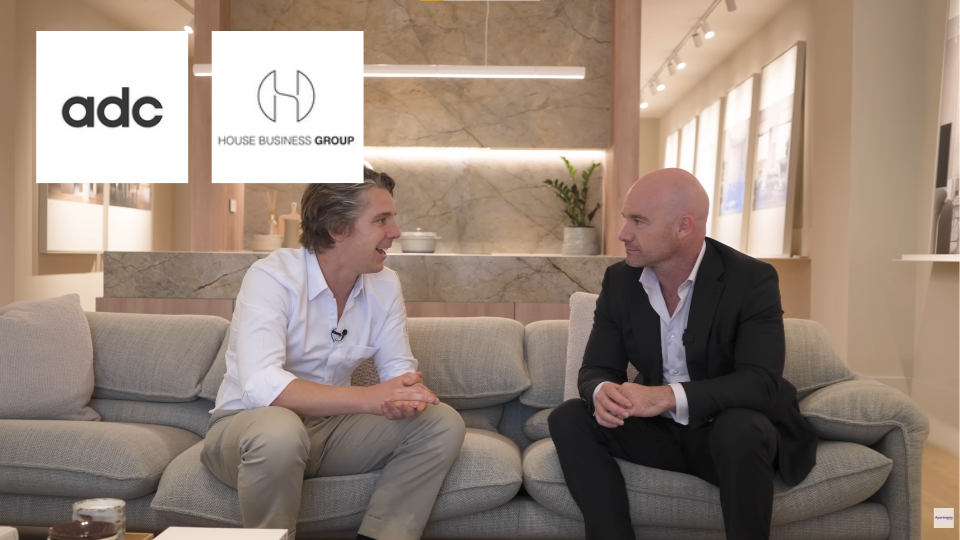
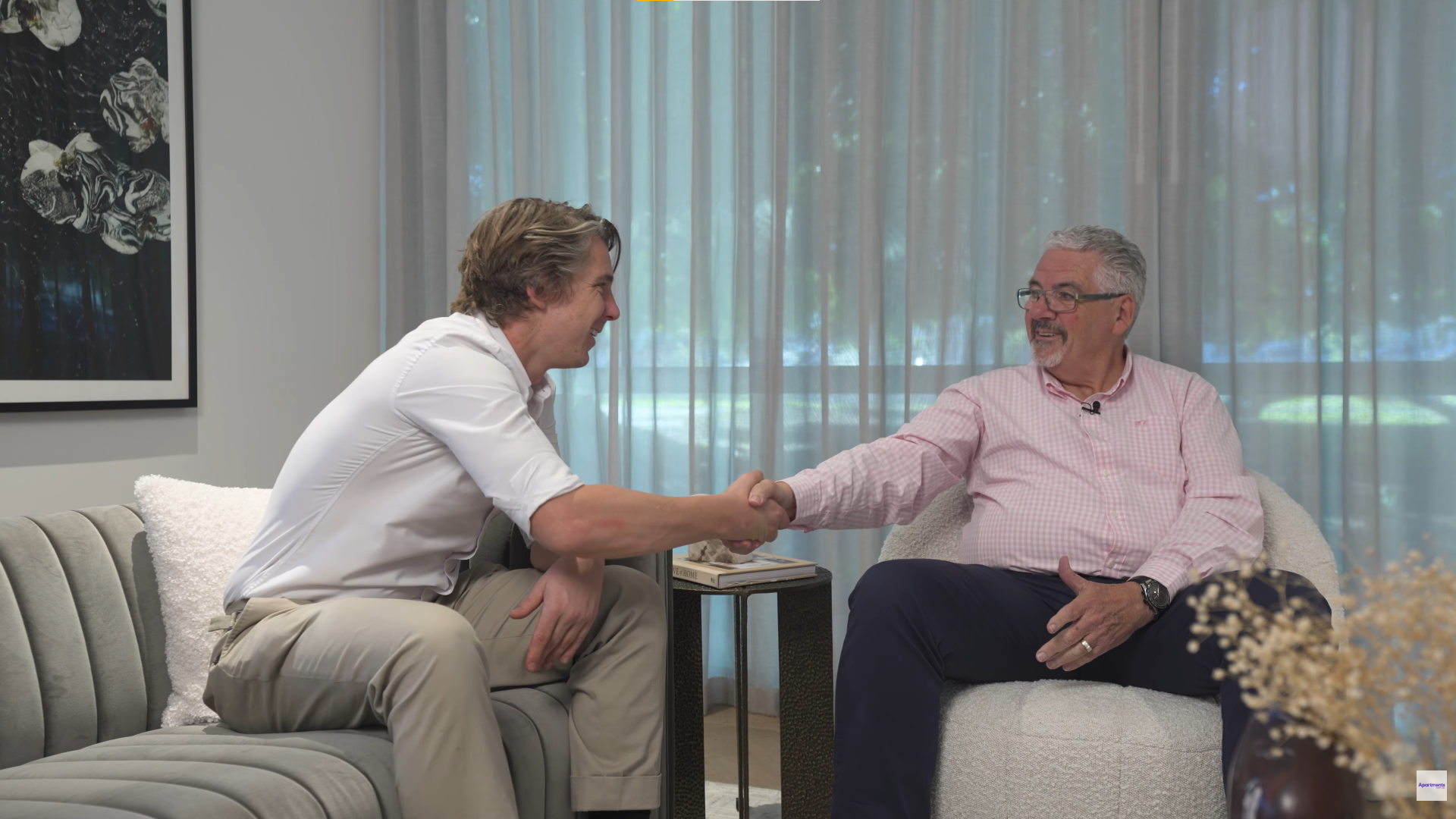
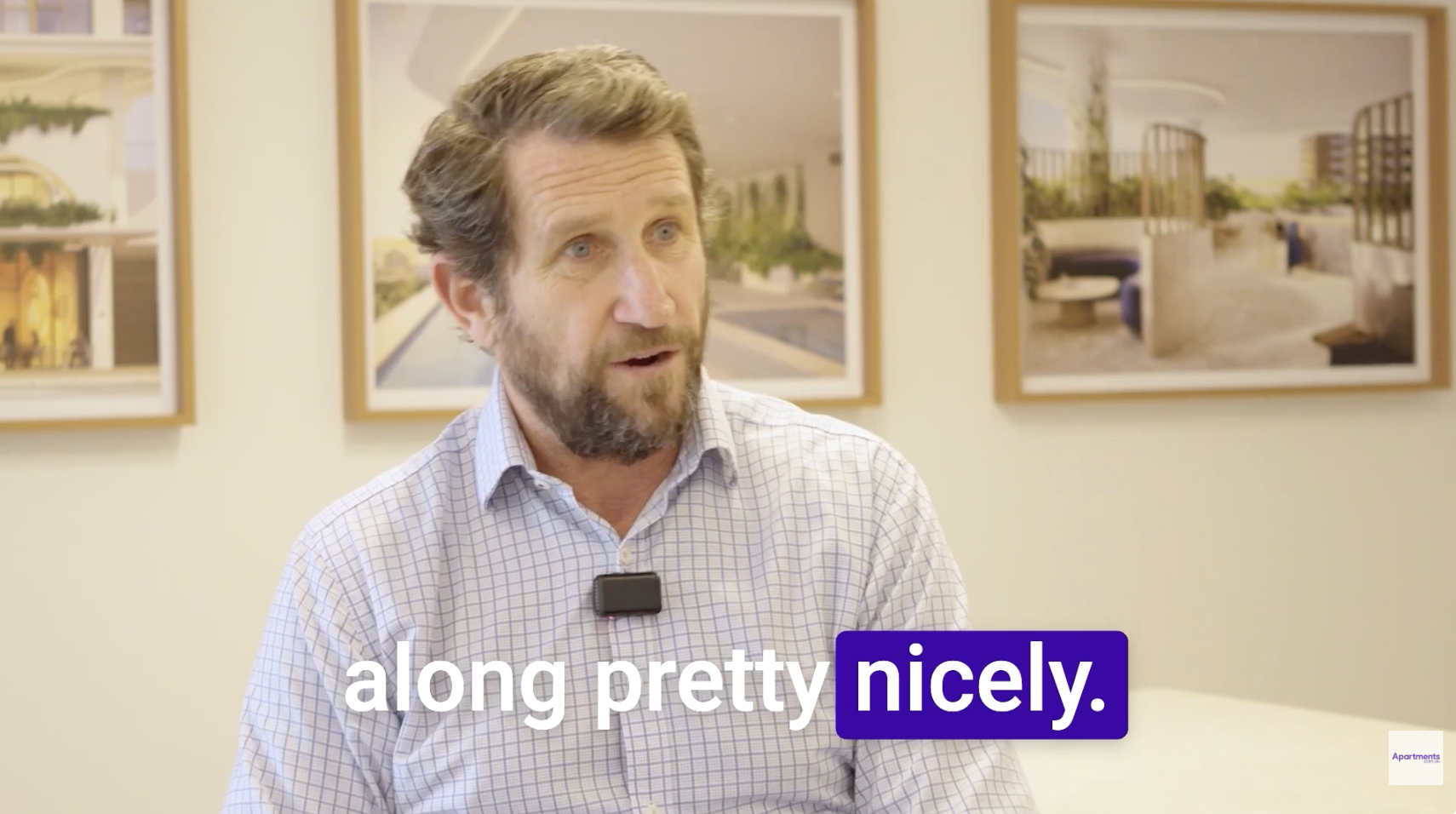
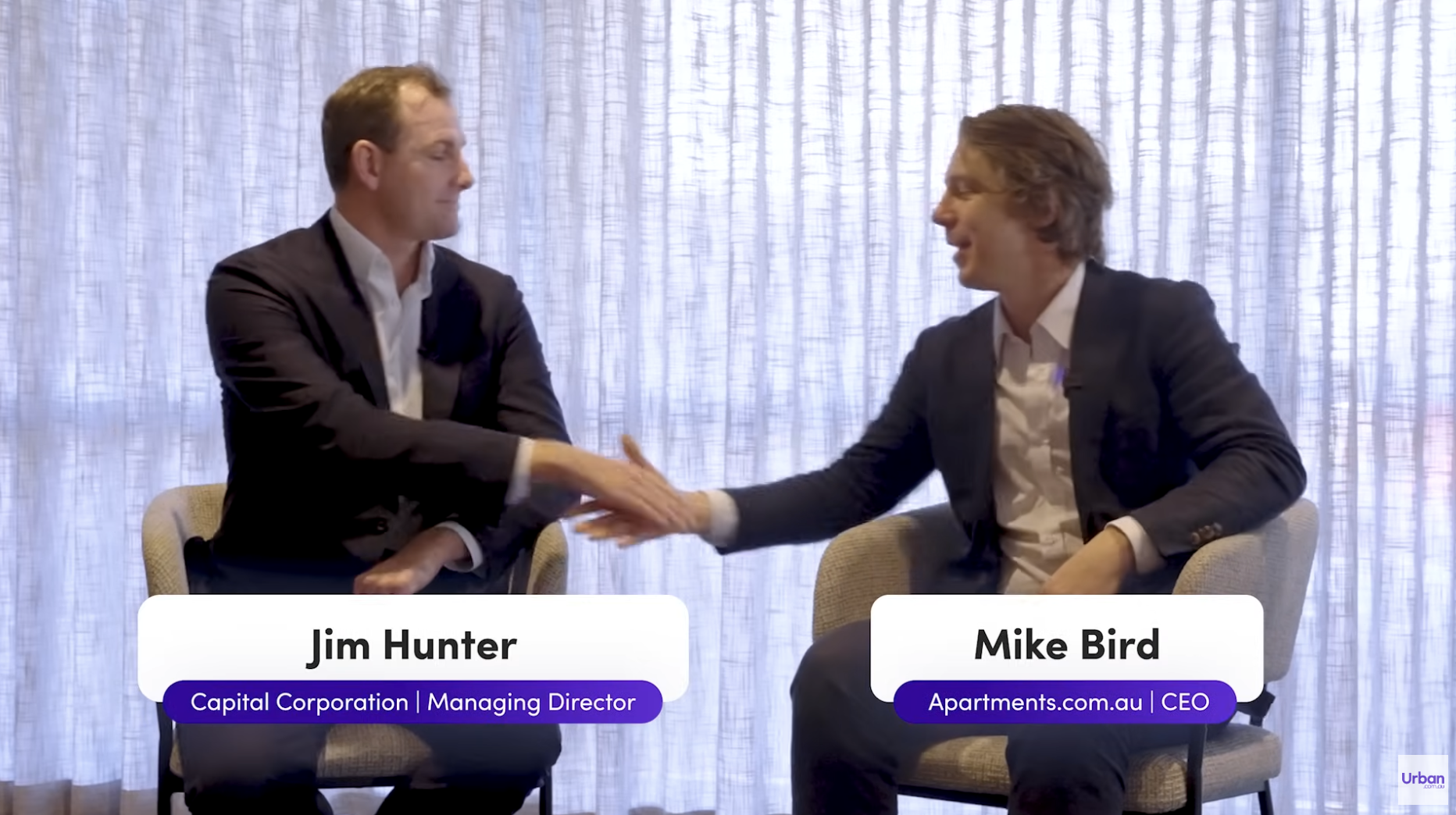
In the latest episode of Market Insights, Apartments.com.au Editor-in-Chief Joel Robinson sits down with Homecorp Founder and CEO Ron Bakir to discuss the evolution of the business, the maturation of the Gold Coast apartment market and the challenges of delivering more attainable housing.
Homecorp's early years were spent delivering house and land packages, subdivisions and luxury homes before the business expanded into larger residential developments.
An international partnership established around six years ago accelerated that evolution, enabling Homecorp to deliver multiple high-rise developments and thousands of homes.
Today, the vertically integrated business operates across land subdivisions, townhouses and apartment developments, with in-house construction capabilities across both its housing and high-rise divisions.
Its recent Gold Coast portfolio includes the completed 157-apartment Eve Residences overlooking the Broadwater, a building Bakir himself now calls home.
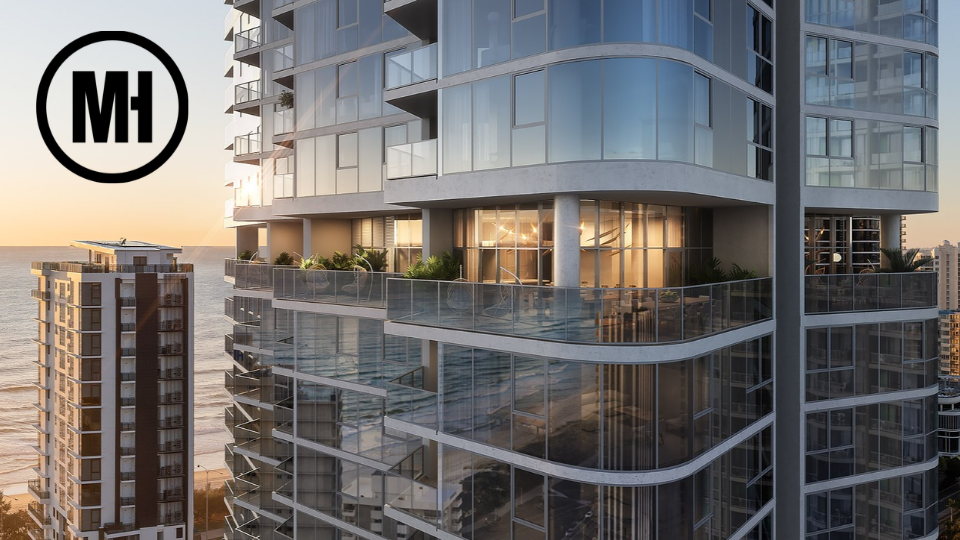
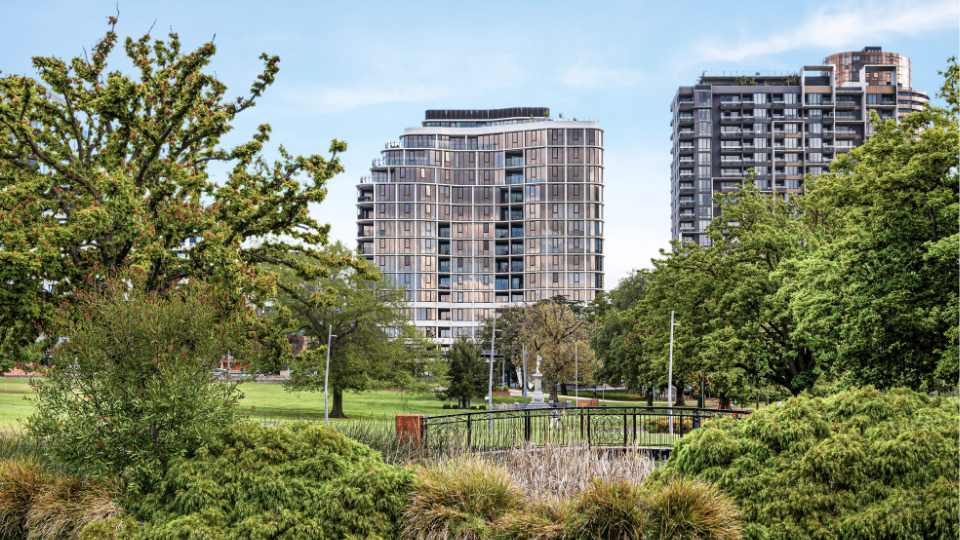
Homecorp's current pipeline includes a $250 million, two-tower development comprising 289 apartments in Varsity Lakes, the 26-storey Florence Residences overlooking Cascade Gardens and the Nerang River, and an approximately $360 million apartment development in Budds Beach.
For Bakir, site acquisition comes down to location, accessibility and the type of community Homecorp can create within a building.
“We’re trying to create communities for the future. Obviously, it’s just not about today. We’ve been here for a long time. We plan to be here for a long time to come,” Bakir says.
Having developed on the Gold Coast for more than two decades, Bakir has witnessed a fundamental shift in the city's residential market and the demographics underpinning demand.
Once characterised by its cyclical property market, the Gold Coast is increasingly attracting a diverse mix of purchasers, from interstate investors and local downsizers to owner-occupiers relocating from Sydney and Melbourne.
Some are purchasing apartments ahead of an eventual move to Queensland.
“The Gold Coast market has matured. It wasn’t what it was 10 years ago,” Bakir says.
“It’s matured in every way, shape or form.”
Bakir points to continued interstate migration, infrastructure investment and employment creation as key drivers of the city's longer-term growth.
The evolution of working arrangements is also influencing how Homecorp designs its buildings. Its apartment development under construction in Varsity Lakes will incorporate a substantial co-working space, accommodating around 30 to 40 people.
While swimming pools, gymnasiums, saunas and plunge pools are becoming increasingly commonplace in new Gold Coast apartment developments, Bakir believes the next evolution of residential wellness could extend well beyond traditional recreational amenities.
Homecorp is exploring the integration of commercial preventative healthcare services with residential wellness facilities, a concept the developer has been discussing with its Japanese partners.
The company is already working on a potential site where the two could coexist.
Bakir draws inspiration from a recent visit to a multigenerational community developed by Panasonic in Japan, where residential accommodation sits alongside childcare, commercial services, preventative healthcare and aged care facilities.
The premise is that residents can remain connected to the same community throughout different stages of their lives.
Central to the concept is social connection, something Bakir sees as an increasingly important consideration in residential development.
“If you can live in an environment where everything is there, you don’t have to actually leave over your lifespan, and you know the people and you’re interacting with those people, it’s pretty special,” Bakir says.
It is a model Homecorp is considering bringing to Australia, although Bakir acknowledges the importance of balancing increasingly sophisticated residential amenities with ongoing body corporate costs.
While much of the Gold Coast's recent apartment development has been concentrated in premium coastal locations, Bakir sees significant opportunity in established inland suburbs such as Robina and Varsity Lakes.
Delivering apartments at more accessible price points, however, remains one of the industry's biggest challenges.
Elevated construction costs have pushed developers towards larger, higher-priced apartments, where sales revenues can better absorb the cost of delivery.
Bakir says achieving sufficient scale, alongside greater flexibility in planning and building design, will be critical to unlocking more attainable apartments.
He points to Gold Coast City Council's willingness to reconsider requirements such as basement parking in appropriate locations as an example of how development costs could be reduced.
The challenge is particularly apparent at the more affordable end of the apartment market, where construction costs are also placing downward pressure on apartment sizes.
Bakir believes the city's housing shortage is increasingly segmented, with the most pronounced undersupply occurring at lower price points rather than uniformly across the market.
“Fundamentally, we don’t have enough supply to meet the demand. It’s as simple as that,” Bakir says.
Delivering more attainable apartments will be one of Homecorp's key priorities over the coming years.
Despite the scale of Homecorp's current pipeline and its ambitions for future developments, Bakir measures much of the business's success through its relationships with existing purchasers.
He recalls an encounter with a resident in the lift at Eve Residences who told him the completed apartment building had exceeded her expectations when purchasing off the plan.
That same purchaser subsequently bought at Florence Residences.
For Bakir, those relationships underpin the longevity of a development business, particularly in an industry where buyers are often committing their life savings to a home that is yet to be built.
“It’s our duty to ensure we deliver on it and deliver more than what they expect,” Bakir says.
“That’s the art of it, to keep showing up, keep improving, and making sure the customer gets more.”
Watch the full episode of Market Insights above for more on Homecorp's development pipeline, the future of wellness-led apartment living and where Bakir sees the greatest opportunities in the Gold Coast property market.

Speak to the team about leveraging the Apartments.com.au audiences and services for your new development.