By
Joel Robinson
•
3
min read

Latent defects insurance (LDI) is becoming an increasingly important part of Australia's off-the-plan apartment market, changing how buyers assess construction quality and how developers manage their long-term exposure to building defects.
While still a relatively new offering in Australia, the insurance product is gaining significant traction among Sydney developers, with momentum building across Melbourne and the ACT.
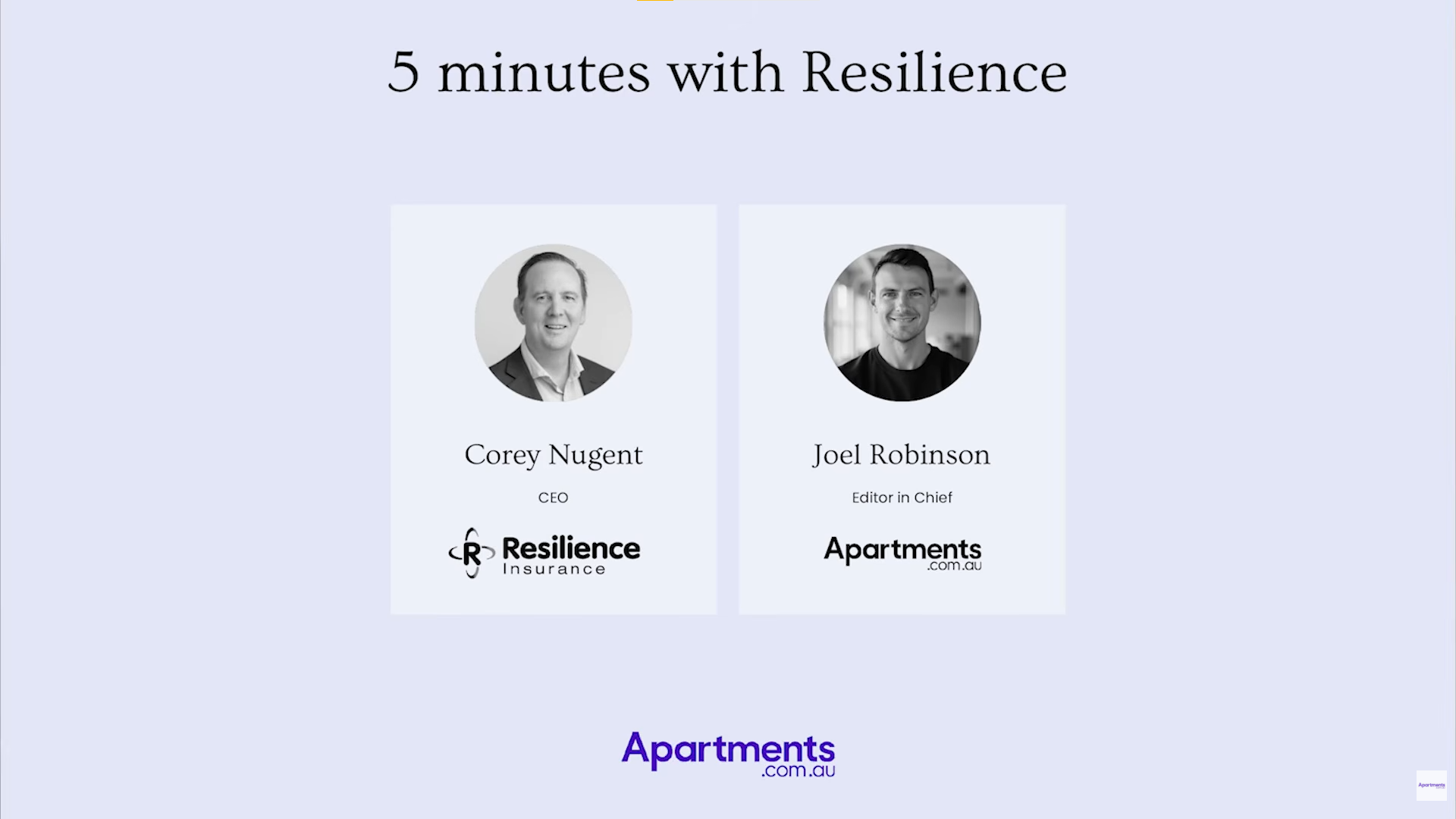
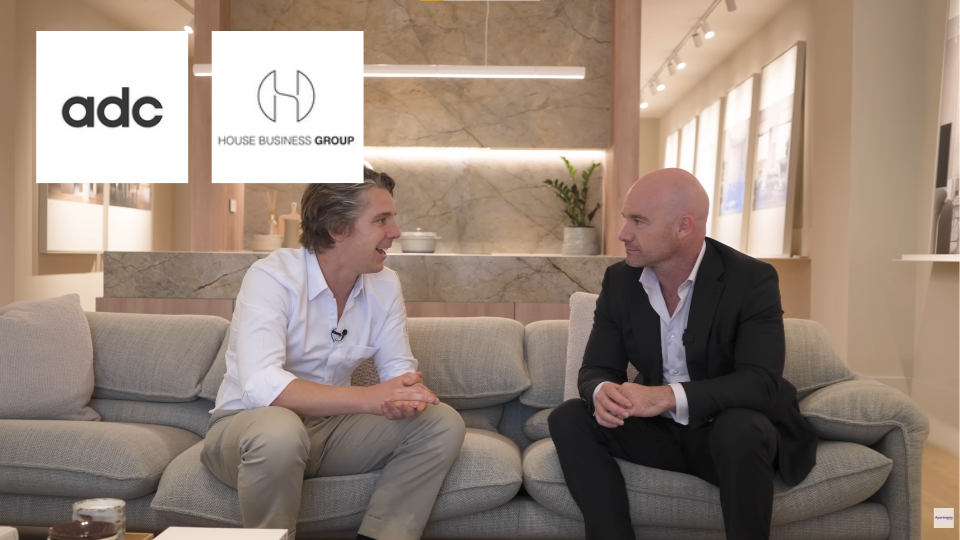
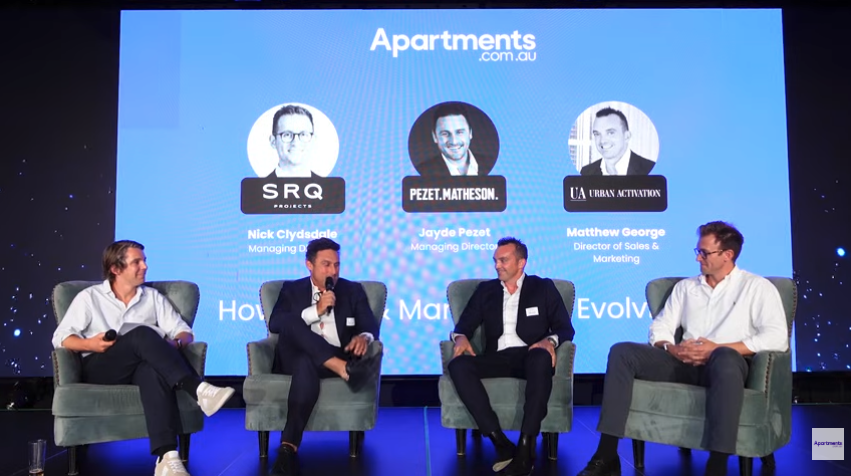
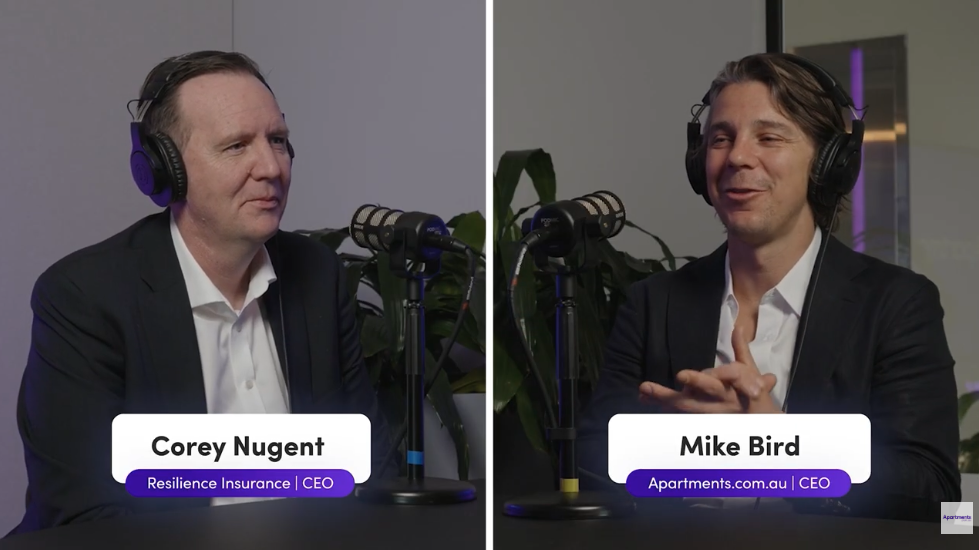
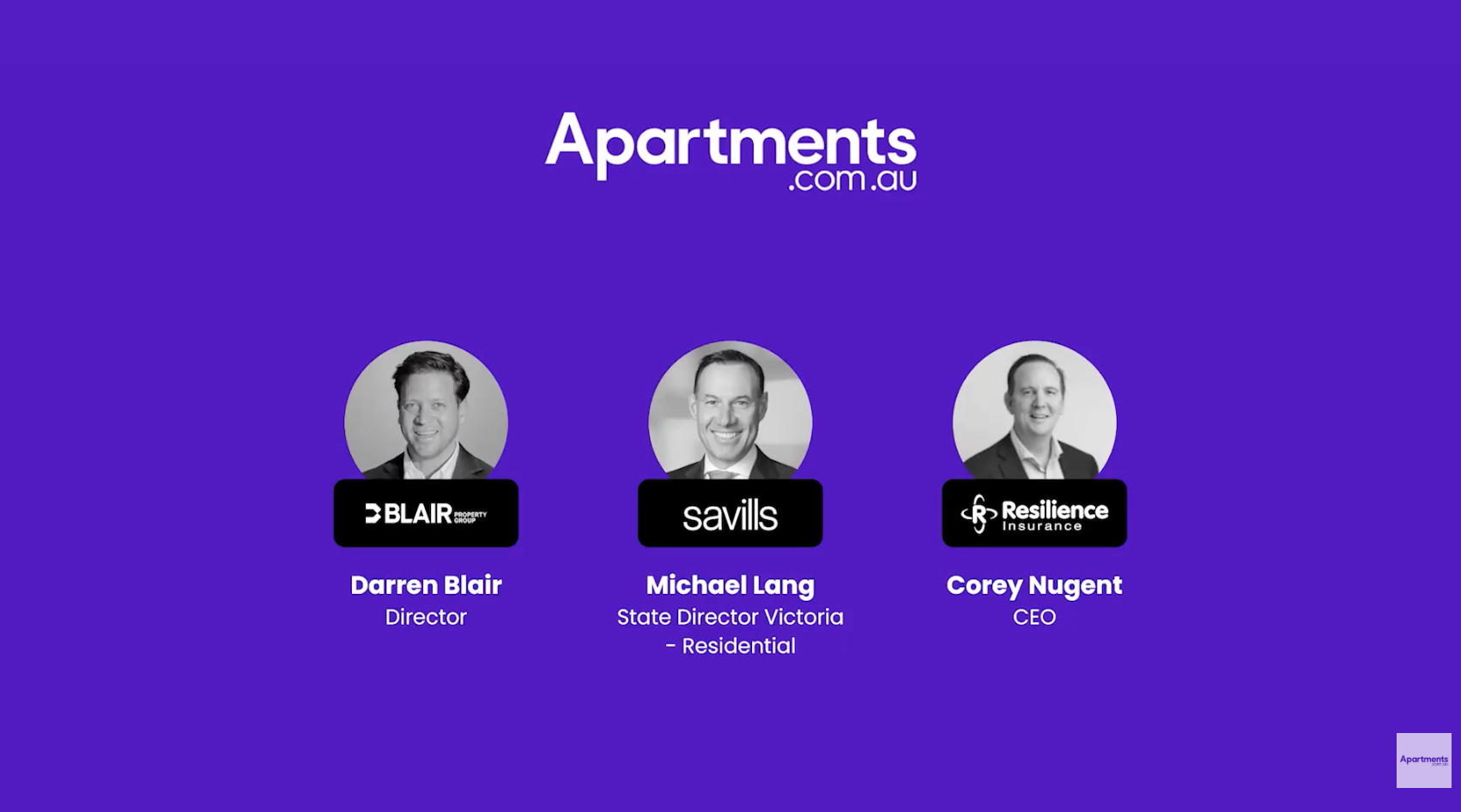
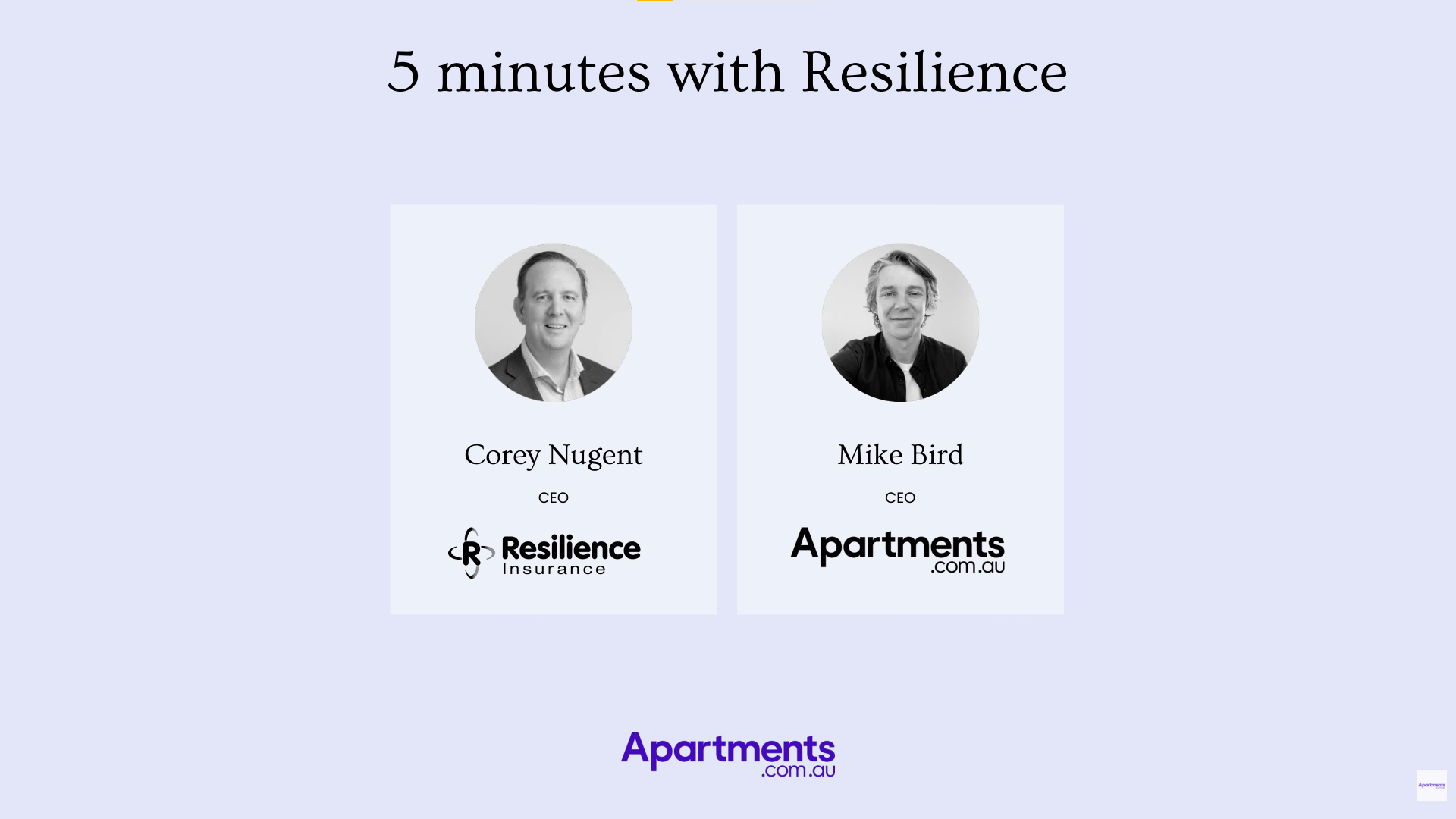
At the latest Sydney Market Insights Live event, Apartments.com.au CEO Mike Bird sat down with Resilience Insurance CEO Corey Nugent to discuss the evolution of LDI, its influence on buyer behaviour and why developers should be considering the product much earlier in the development lifecycle.
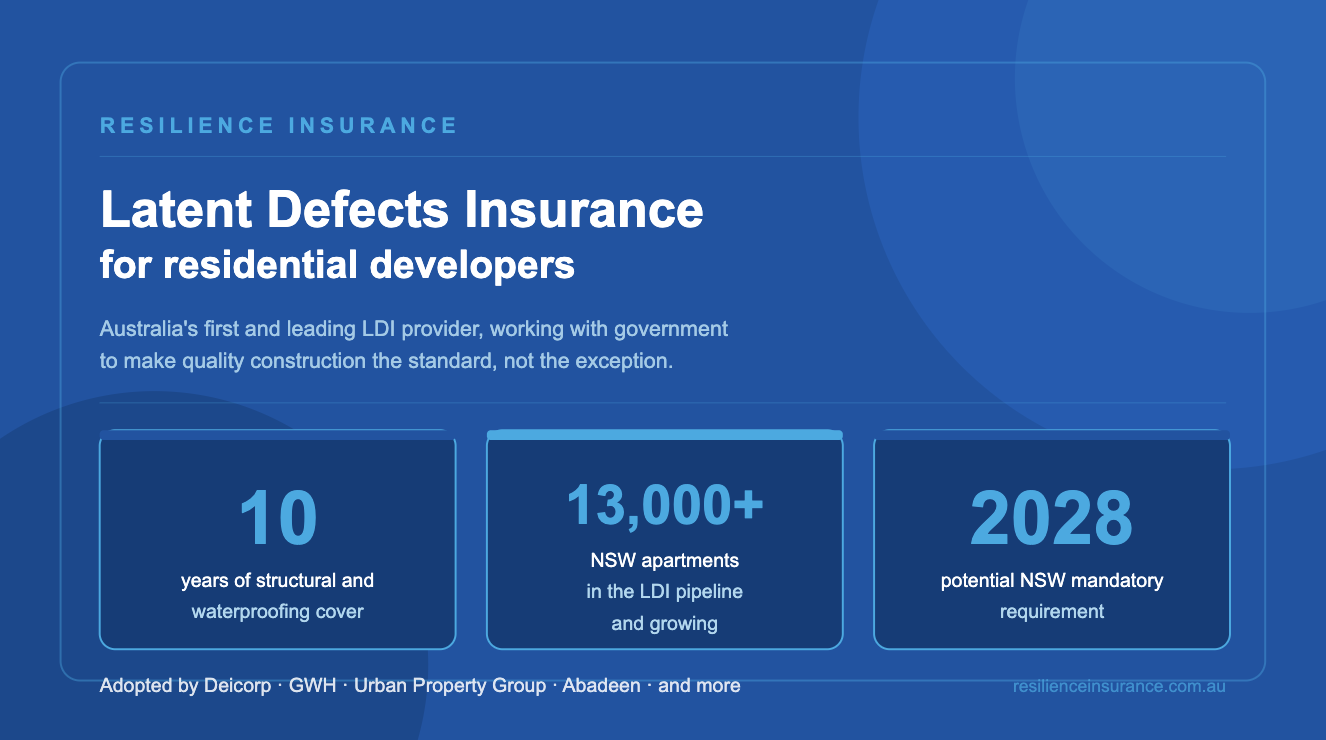
Resilience, Australia's first latent defects insurer, recently secured approval from the NSW Government following a two-and-a-half-year process, marking another milestone in the company's expansion.
Nugent said Resilience is also working on broadening its insurance offering to accommodate developers at different stages of their projects and with varying sales positions.
Further announcements were expected in the weeks following the event.
The expansion comes amid strong demand across NSW, where Resilience is working with both repeat clients and developers looking to incorporate LDI into their upcoming projects.
“The uptake in New South Wales and Sydney is now quite significant, and it is now seen by many developers or other people in the market as a real tool to leverage confidence in buyers and quality,” Nugent said.
While Resilience has been offering LDI in Sydney for nearly five years, the product has been used internationally for more than half a century.
At its core, LDI provides 10 years of first-resort, no-fault insurance against covered building defects, giving apartment owners a pathway to make a claim without first having to establish who was responsible for the defect.
For developers, the product offers a mechanism to manage the financial exposure associated with covered defects well beyond the completion and settlement of a project.
Interestingly, Nugent said it is the more quality-focused builders and developers who are gravitating towards the insurance.
“Those that are purchasing the LDI or leaning towards the LDI are the better builders and developers because they understand that brand leverage position and what the product does,” Nugent said.
For these developers, insurance is not simply a risk management measure, but an opportunity to reinforce their reputation and distinguish their projects in a competitive market.
One of the more compelling developments is the measurable influence LDI is having on buyer engagement.
Bird said Apartments.com.au has observed a significant uplift in enquiries from users who have read about a project's LDI coverage before submitting an enquiry.
The insurance also provides developers and their sales teams with another meaningful touchpoint during the buyer journey, particularly between an initial online enquiry and a display suite appointment.
Communicating the presence of 10-year insurance during that period can help address concerns around construction quality before a prospective purchaser steps inside a display suite.
Nugent said this shift in buyer awareness is increasingly evident on the ground, too, with property marketers reporting that more visitors are arriving at display suites with a specific question.
“Do you have that 10-year insurance?”
That buyers are proactively asking about insurance suggests LDI is moving beyond an industry-led initiative and becoming part of the due diligence purchasers undertake when comparing off-the-plan developments.
While NSW has been central to the introduction of LDI in Australia, its reach is extending into other markets.
Nugent highlighted Victoria's legislative moves to introduce LDI, alongside developments in the ACT, where developers are already taking up the product.
As adoption broadens geographically, developers operating across multiple markets have an opportunity to incorporate insurance into their wider approach to construction quality, brand positioning and buyer confidence.
Nugent's key message to developers was to start the conversation around latent defects insurance during the planning phase, rather than treating it as a consideration later in the development process.
Early engagement with Resilience and its broker network allows developers to better understand how the product can work within their project, while giving sales teams the opportunity to communicate its benefits to prospective purchasers.
Beyond its marketing applications, however, Nugent said the longer-term financial implications should remain central to that conversation.
As buyer awareness grows, the value of LDI increasingly sits at the intersection of two priorities for developers: building confidence in a product they are selling today and managing the liabilities they could face a decade after delivering it.

Speak to the team about leveraging the Apartments.com.au audiences and services for your new development.