By
Joel Robinson
•
3
min read


In a market where buyers are taking longer to commit and confidence is increasingly difficult to build, Sydney's off-the-plan property industry is reassessing how it approaches sales and marketing.
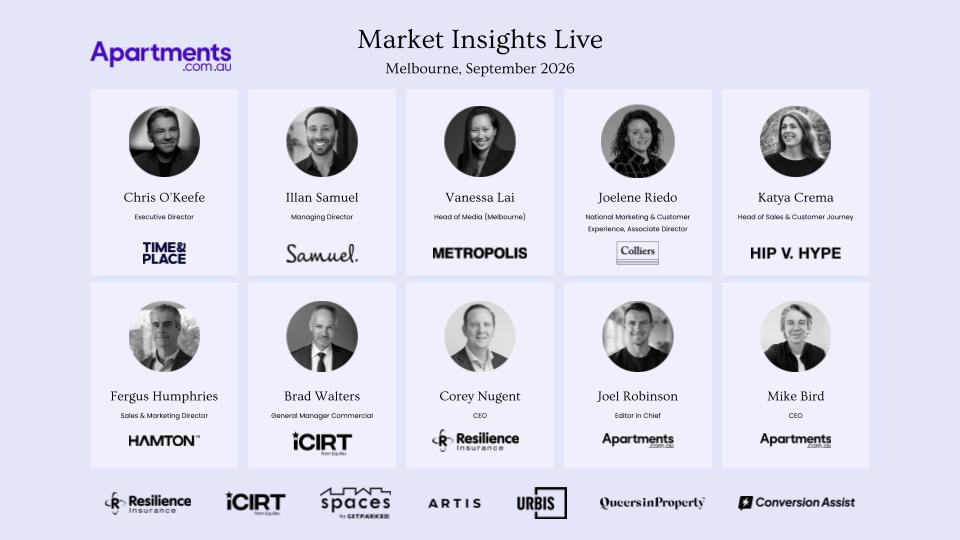
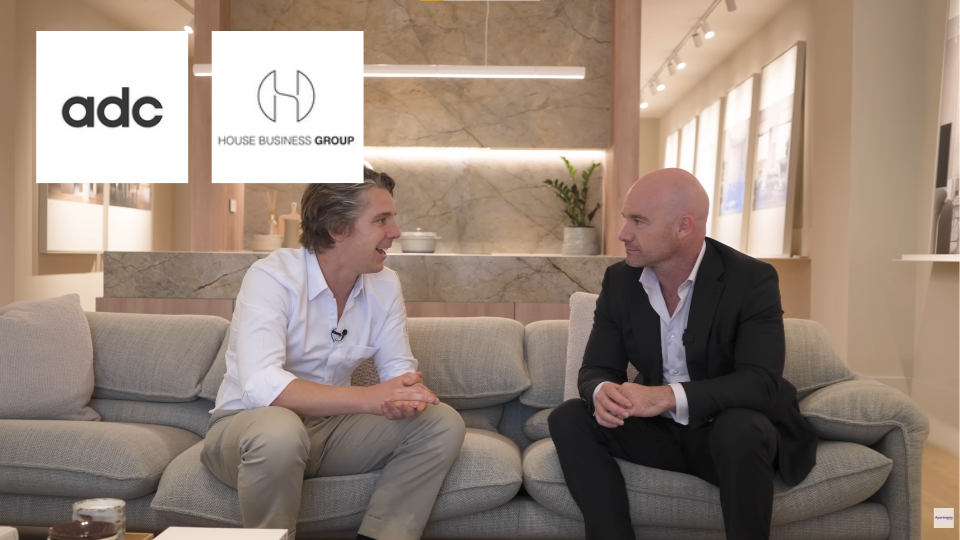
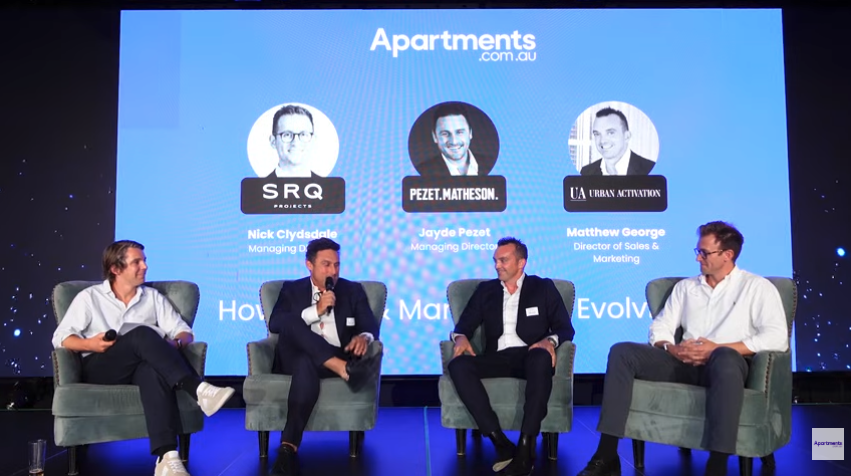
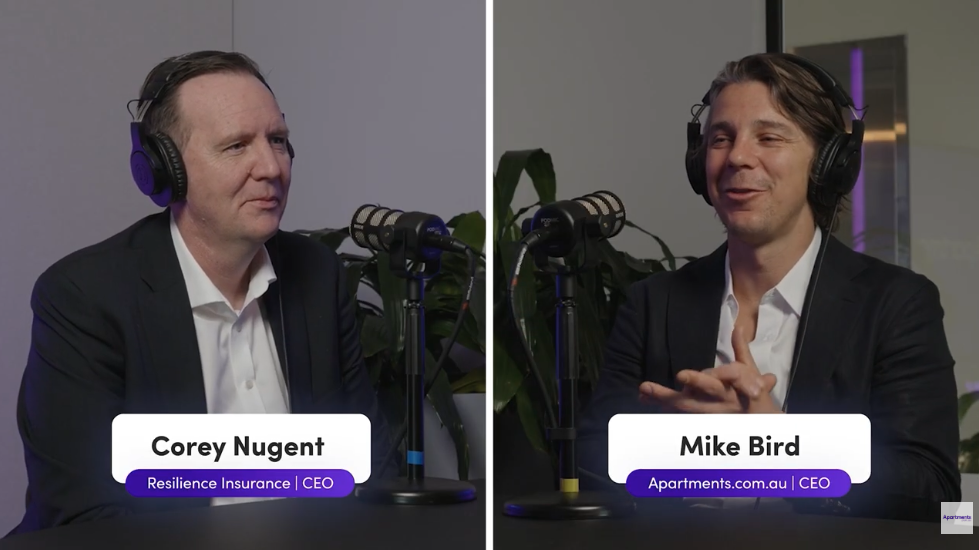
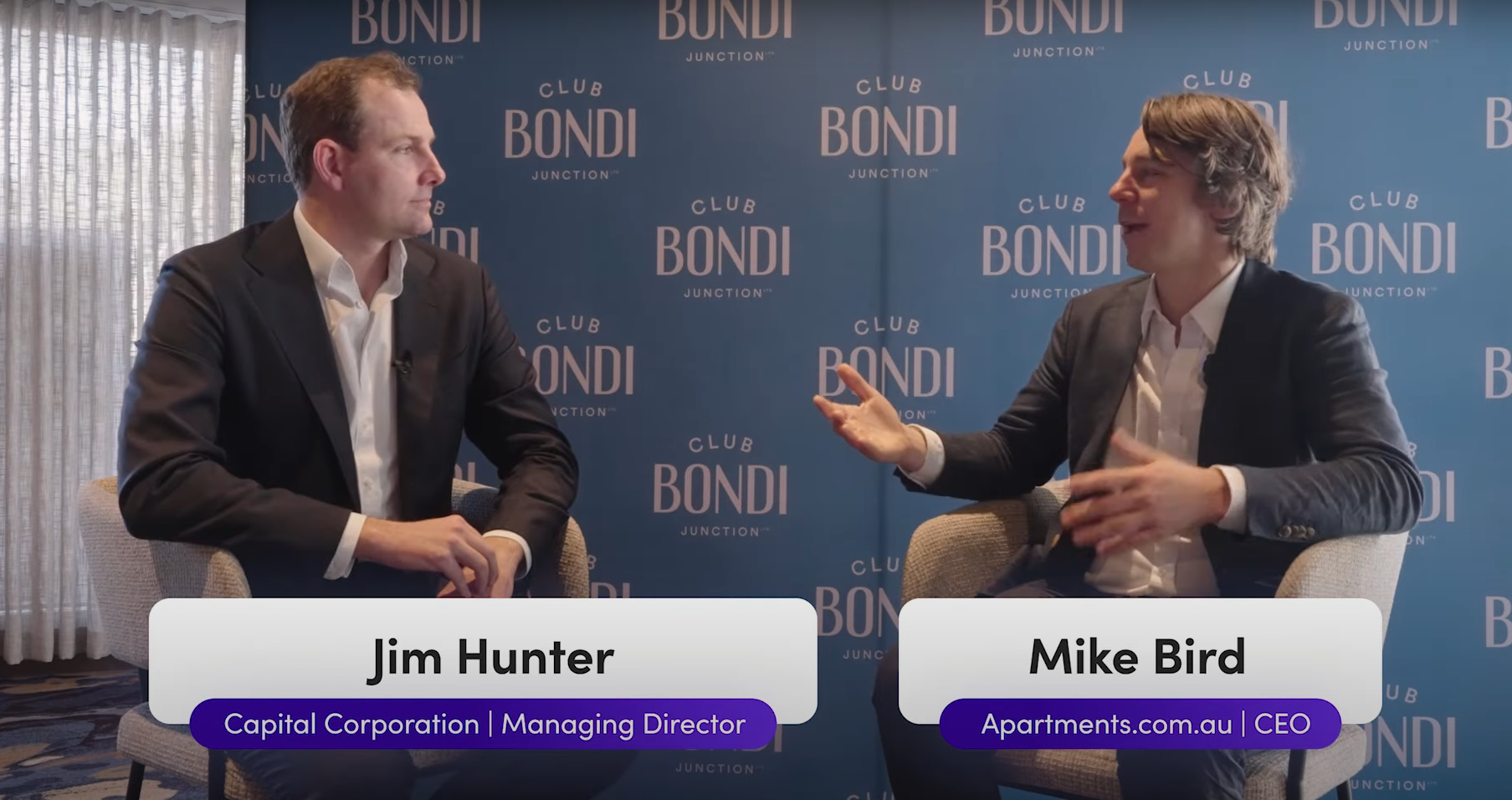
At Apartments.com.au's Sydney Market Insights Live event, Mike Bird was joined by Ray White Projects Managing Director Eddie Mansour, Fortis Associate Director Avalon Nethery and Born Creators Managing Director Sive Buckley to discuss what's driving transactions in a more challenging market.
Across the discussion, a consistent theme emerged: generating enquiries is only one part of the equation. Building trust, maintaining relationships and understanding when buyers are ready to transact are becoming increasingly important.
While Mansour acknowledged the challenging conditions across Sydney, he said there remained opportunities for developers and purchasers alike.
Although display suites are attracting less walk-in traffic during open inspections, private appointments have remained consistent across Ray White Projects' portfolio.
Mansour pointed to one development where, after nearly nine months of sustained marketing, the team secured three sales in a single week by changing its approach to pricing.
“Let's put the price aside and actually work out what are you prepared to pay,” Mansour said of the conversations his team was having with buyers.
The shift helped generate competition between prospective purchasers, with the first transaction quickly followed by two others.
Mansour credited the developer for maintaining a consistent marketing presence throughout the campaign, noting that withdrawing from the market during slower periods can make rebuilding buyer confidence considerably more difficult.
For Fortis, the strength of its developer brand has been central to maintaining sales activity.
Nethery said many of the buyers currently transacting with Fortis had been on its database for some time, with the developer increasingly cross-selling purchasers across its portfolio.
Fortis has also taken a hands-on approach to demonstrating its track record, personally accompanying prospective purchasers to completed developments.
“It's really important to show that they can have confidence and know that, look, this is what we're saying we're going to do, and here's where we've done it multiple times,” Nethery said.
Developing multiple projects within established markets has also allowed Fortis to grow geographically concentrated databases, while strengthening its understanding of local buyer demographics, construction partners and site conditions.
Buckley challenged the industry's preoccupation with lead generation and cost per enquiry, particularly given the extended research periods now associated with purchasing off the plan.
She pointed to data indicating buyer journeys can extend to around 22 months, alongside research suggesting consumers need at least 22 brand touchpoints before transacting.
“The number one driver is trust,” Buckley said.
“So what are brands and developers doing to build actually their trust of their brand themselves versus the project they're marketing?”
Asked how she would approach a hypothetical $500,000 project marketing budget, Buckley emphasised understanding the entire customer journey before allocating spend.
She highlighted the often-underutilised potential of owned channels, including email databases, automated nurture campaigns, search engine optimisation and visibility within AI-generated search overviews.
Rather than directing disproportionate amounts of budget towards CGI and brochures, Buckley encouraged developers to explore different ways of communicating their experience, credibility and delivery capabilities.
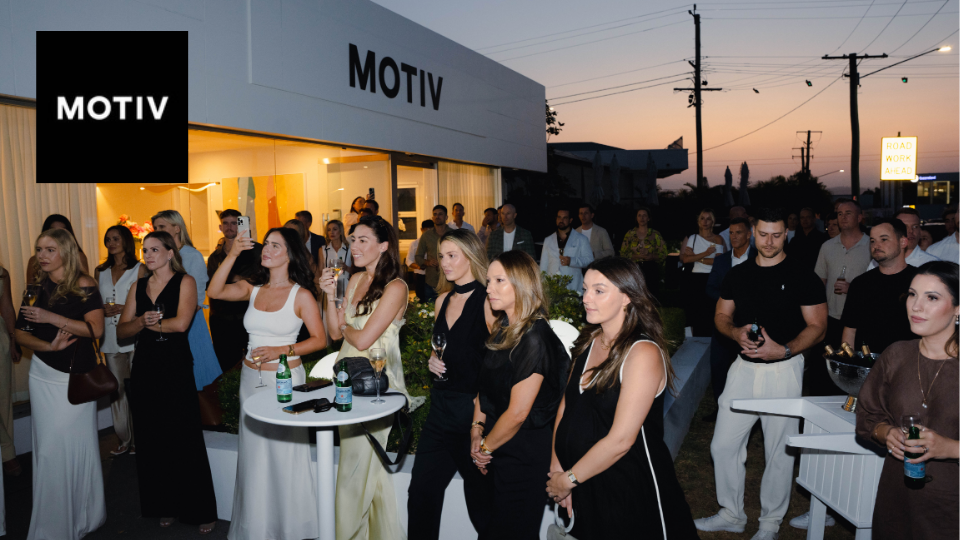
As property marketing becomes increasingly digital, smaller, more personal events are proving effective at reconnecting with prospective purchasers.
Nethery highlighted Fortis' campaign for 55 William Street, where five of the eight residences sold within 10 days. Rather than operating a traditional display suite, Fortis used a nearby yacht club to engage prospective buyers.
Mansour shared a similar experience from a recent event in Willoughby, where a sausage sizzle, face painting and gelato attracted purchasers who had originally enquired three years earlier.
The informal setting also encouraged buyers to bring family members, creating opportunities for more meaningful conversations with agents.
Both Fortis and Ray White Projects are reassessing their marketing mix, placing greater emphasis on social media, digital campaigns and specialist property platforms.
Fortis has also begun isolating individual residences in its online listings, focusing on standout garden apartments and penthouses rather than exclusively promoting entire developments.
Buckley encouraged marketers to remain flexible with budgets, experiment with new approaches and move away from evaluating campaign performance solely through last-touch attribution.
The panel also highlighted the growing value of developer-fronted video content, with Mansour finding that developers personally delivering project updates and walkthroughs can communicate a level of authenticity that external presenters struggle to replicate.
In a market characterised by longer decision-making cycles, the discussion reinforced the importance of giving buyers reasons to remain engaged well beyond their initial enquiry - and building the confidence they need to eventually transact.

Speak to the team about leveraging the Apartments.com.au audiences and services for your new development.