By
Joel Robinson
•
3
min read


Negative headlines are nothing new for the Gold Coast property market, but the disparity between what is happening on the ground and what is being reported in the national media presents an ongoing challenge for the city's developers.
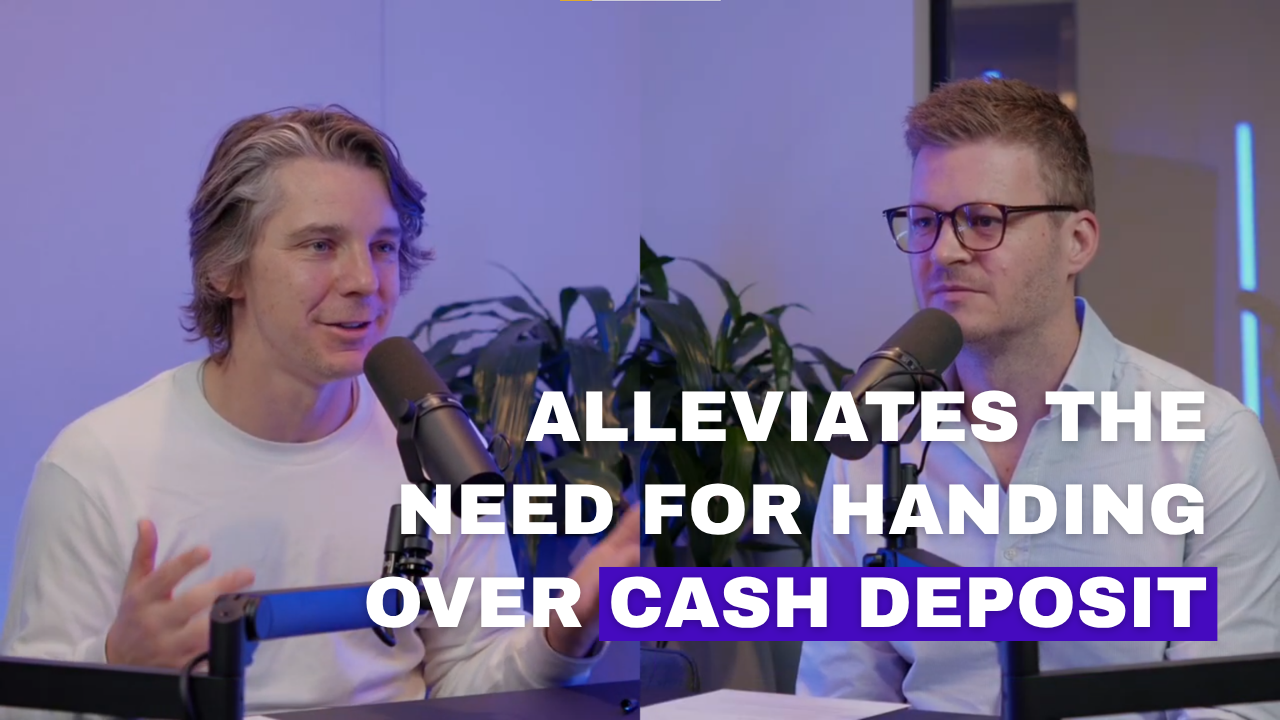
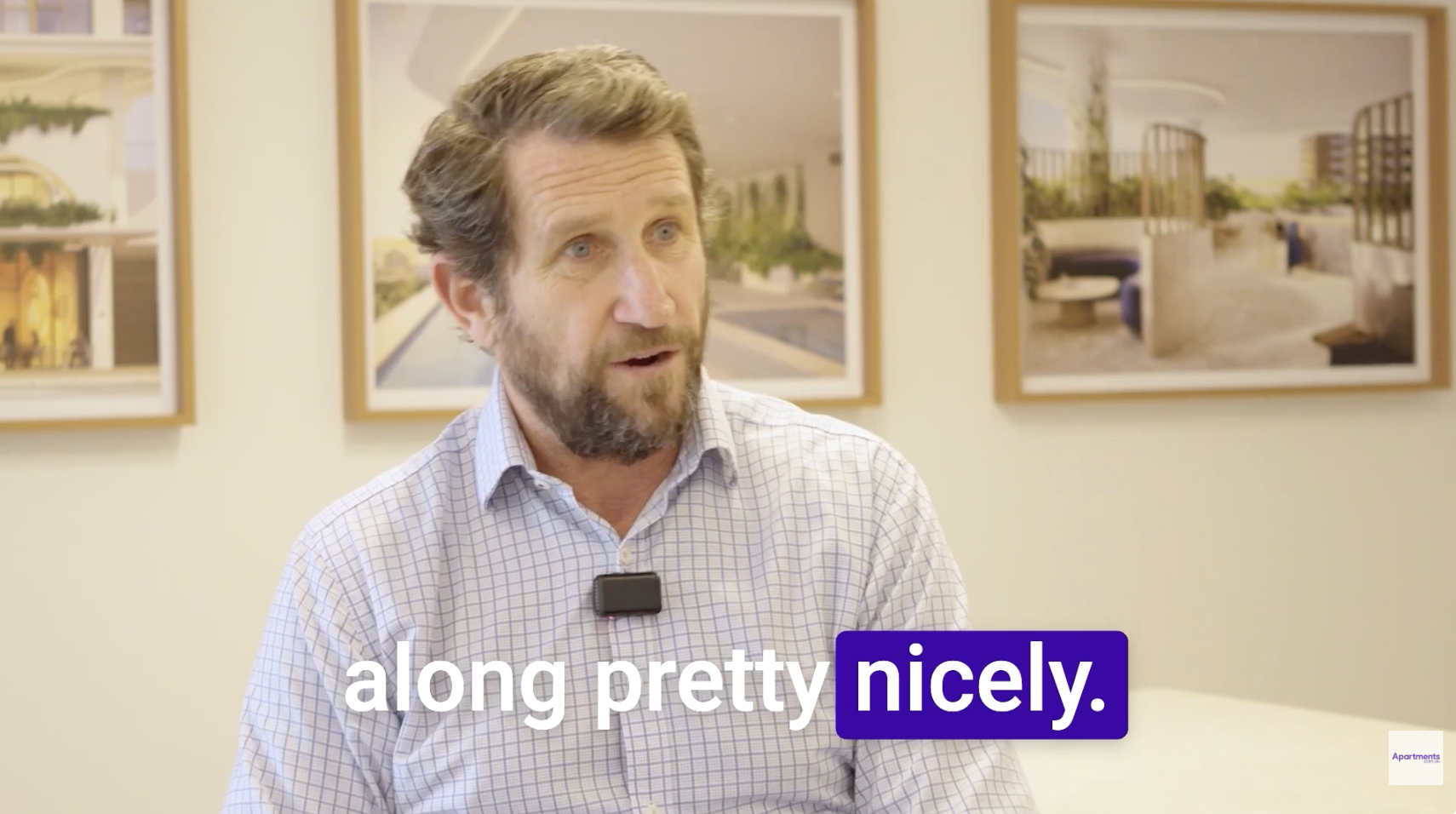
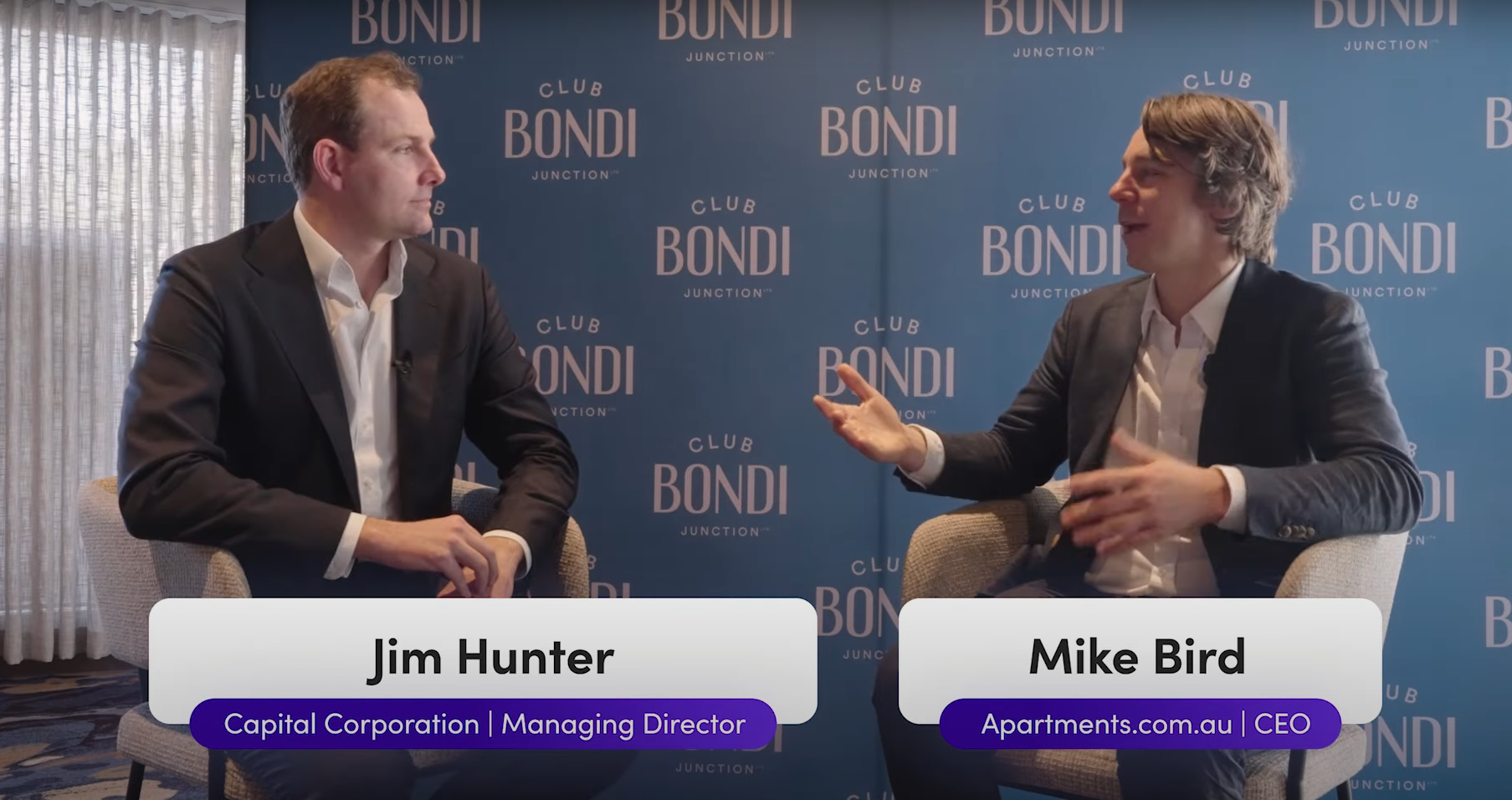
At Apartments.com.au's Gold Coast Market Insights Live event, Mike Bird sat down with MediaHunt Founder and CEO Steve Hunt to discuss the relationship between the property industry and the media, why negative market narratives continue to gain traction, and how developers can better communicate their stories.
Having spent 12 years as a journalist with News Corp before moving into property public relations, where he has spent a further 21 years, Hunt brings a perspective informed by both sides of the newsroom.
In the weeks leading up to the event, Hunt had fielded calls from journalists in Sydney and Melbourne looking into claims that the Gold Coast property market was experiencing a significant downturn.
A forecast from a southern-based research house predicting an 18 per cent decline in Gold Coast property prices subsequently made its way into The Australian, reinforcing a negative narrative around the city's market.
For Hunt, it was a familiar scenario.
He recalled similar coverage during the Global Financial Crisis, when the Gold Coast became a particular focus of negative property reporting from southern media outlets.
While softer market conditions naturally warrant coverage, Hunt believes the challenge lies in the imbalance between reporting on market pressures and recognising the significant transactions and development activity still occurring across the city.
The risk is that prospective purchasers, particularly those based interstate, form an impression of the Gold Coast that overlooks the nuances of its individual market segments.
Hunt pointed to three record Gold Coast property sales announced within the space of three weeks, including a $32 million penthouse sale for Monaco Property Group.
Despite the significance of those transactions, Hunt noted that none received coverage in the Australian Financial Review.
The contrast illustrates what Hunt sees as a stronger editorial appetite for negative property stories than positive sales results.
While individual record-breaking transactions are not necessarily indicative of broader market performance, they offer another dimension to the Gold Coast property story, particularly within the premium apartment sector.
For developers, communicating these results is about more than celebrating a successful sale. It is an opportunity to demonstrate where demand remains, what purchasers are responding to and how different segments of the market are performing.
Hunt's advice to developers is to focus less on trying to control the media narrative and more on contributing to it.
Developers cannot dictate what journalists write or how editors choose to frame a story. They can, however, give the media compelling alternative stories that add greater context to conversations about the market.
That begins with identifying what makes an individual development or business genuinely interesting beyond its immediate sales proposition.
A significant transaction, construction milestone, distinctive architectural approach or emerging purchaser trend can provide the foundation for a broader property story.
The key is understanding the difference between an announcement that matters to a developer and one that matters to a journalist's audience.
Hunt believes every developer has a unique story to tell. Finding the editorial value within that story is what makes an effective public relations strategy.
Drawing on his background in journalism, Hunt advocates approaching media engagement with a newsroom mindset.
Rather than simply distributing announcements, developers should consider why a journalist would want to cover a particular story, what evidence supports it and how it fits into the wider conversation surrounding the property market.
That approach also extends to responding to potentially negative coverage.
When a journalist is pursuing a negative angle, Hunt encourages developers to present the positive aspects of the story and make a considered case for a more balanced approach.
There are no guarantees that the resulting coverage will reflect the developer's preferred narrative, but understanding how journalists operate can improve the prospects of securing meaningful coverage.
As the Gold Coast navigates changing market conditions, effective communication is becoming increasingly important for its development industry.
The objective is not to dismiss legitimate market concerns, but to ensure that conversations about the city also recognise the transactions, projects and purchaser activity that might otherwise go unreported.
For Hunt, the most effective response to negative headlines is not necessarily to challenge them directly, but to consistently bring credible, newsworthy stories to the table.
Watch the full five-minute discussion above for Hunt's insights into property media, the Gold Coast's national reputation and how developers can better position their stories.

Speak to the team about leveraging the Apartments.com.au audiences and services for your new development.