By
Joel Robinson
•
3
min read


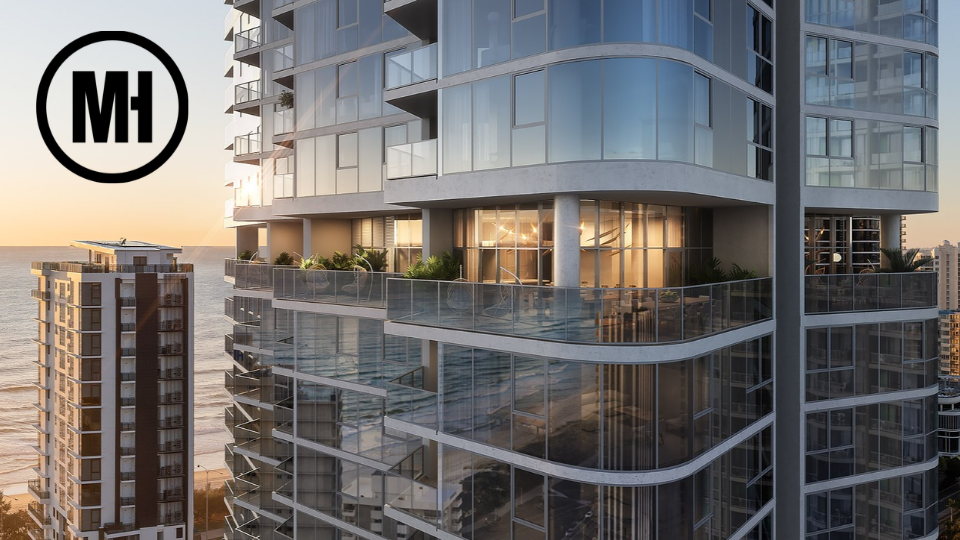
An ultra-luxury beachfront tower in Broadbeach, an ambitious masterplanned community in Coomera, or a boutique apartment development in Mermaid Beach – which would three of the Gold Coast's leading project marketers choose to sell in the current market?
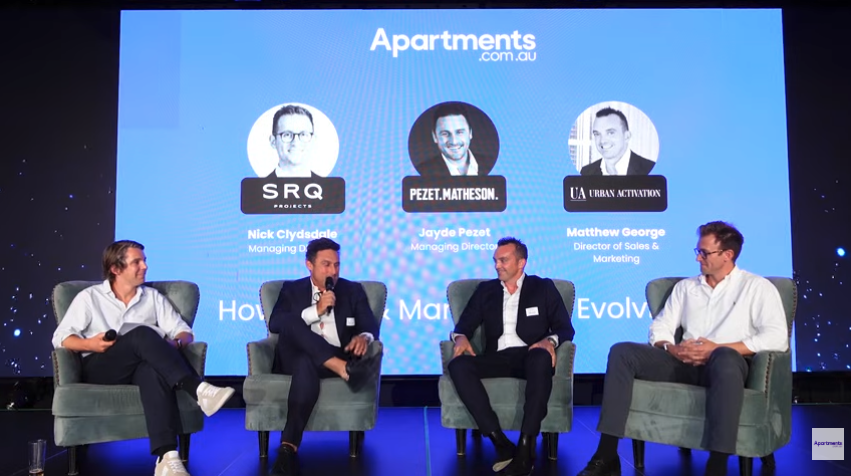
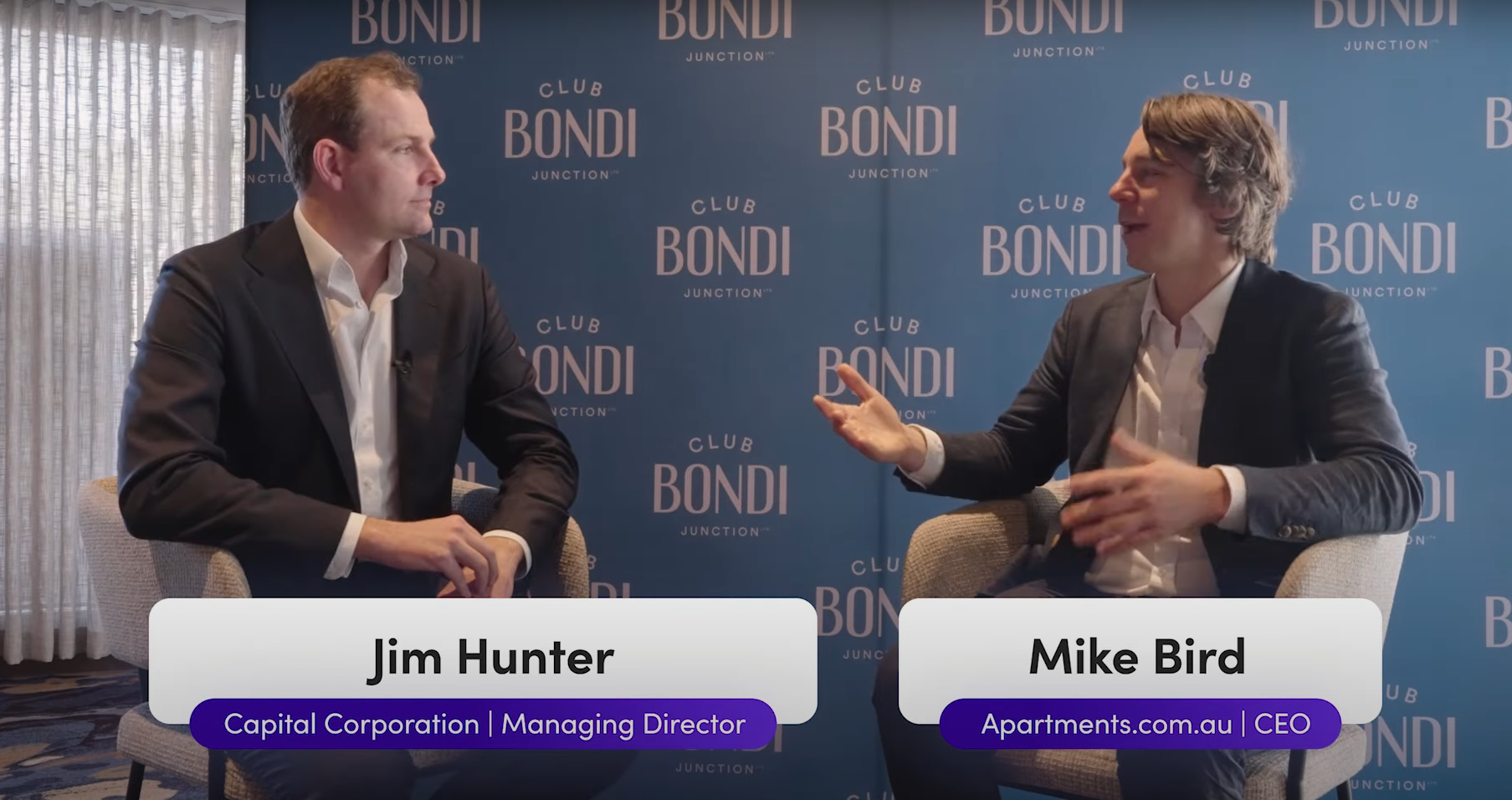
At Apartments.com.au's Gold Coast Market Insights Live event, Mike Bird put that question to David Higgins, Director at Colliers; Andrew Erwin, CEO of NPA; and Todd Matheson, Director at Pezet Matheson.
Building on the popular Develop, Divest, Delay panel format, the discussion challenged the three marketers to formulate sales and marketing strategies for three hypothetical development sites, exploring everything from product positioning and pricing to buyer acquisition and long-term brand equity.
Against the backdrop of a transitioning Gold Coast apartment market, the conversation revealed how significantly the fundamentals of project marketing are changing.
With several luxury developments competing for the attention of high-net-worth buyers along the Gold Coast beachfront, securing a premium address is no longer enough.
Erwin suggested returning to a traditional focus group approach, engaging buyers who had previously purchased in competing developments or missed out on similar opportunities.
The process would allow developers to refine their product and validate pricing before committing to a broader launch, potentially securing early pre-sales along the way.
Matheson advocated for an off-market strategy, targeting high-net-worth individuals before entering an increasingly crowded public marketplace.
“Because right now, you go to public launch, you're just amongst 15 other beachfront projects,” Matheson said.
Australian expatriates based in Singapore, New York and London were identified as particularly interesting buyer pools for ultra-premium residences.
Higgins, meanwhile, stressed the importance of understanding the developer's funding position, builder relationship and pre-sale requirements before determining the marketing strategy.
The panel also discussed the renewed importance of physical display suites, despite the pressure on development feasibilities.
Luxury buyers are arriving at sales appointments increasingly educated about competing projects, rates per square metre and residential amenity. Delivering on the expectations established during the sales campaign is equally important.
“It's very important that you match that amenity with the expectation of the plan,” Higgins said.
The second scenario shifted the conversation to the northern Gold Coast, where a hypothetical eight-year masterplanned community would combine apartments, townhouses, green spaces, retail and community amenities.
Drawing on his experience with the $3 billion Harbour Shores masterplan, Higgins highlighted the extensive preparation required before bringing a large-scale precinct to market.
Unlike developments within established neighbourhoods, masterplans require buyers to invest in a vision for amenity that may not yet exist.
At Harbour Shores, some buyers had been engaged for three years before signing contracts.
Matheson identified early-stage pricing as a delicate balancing act. Developers need to reward early adopters without pricing residences so aggressively that future resales compete with subsequent stages.
He also suggested that accepting a lower margin on the first stage could help establish sales momentum across the wider development.
For Erwin, the opportunity extended well beyond residential sales.
“I think it's a place branding exercise. You're creating a new suburb effectively,” Erwin said.
He pointed to Varsity Lakes as an example of how successful precinct branding can continue to influence buyer perceptions and support new developments decades later.
Higgins also highlighted the benefits of launching with a premium building, establishing a benchmark for architectural quality that can positively influence subsequent releases.
The final scenario centred on a boutique, owner-occupier-focused development several streets back from the Mermaid Beach beachfront.
Despite its proximity to established cafes, retail and transport, the panel challenged the assumption that a desirable location could compensate for a modest marketing budget.
Matheson emphasised the importance of off-market campaigns and external sales channels amid softer enquiry volumes, while Erwin questioned whether the proposed apartment mix offered sufficient differentiation in an increasingly competitive market.
Erwin also suggested securing a signature hospitality or retail tenant ahead of launch, giving the development an identity around which a residential campaign could be built.
The discussion turned to the evolving role of digital content, with Matheson arguing that marketers can no longer rely on property portals and a handful of architectural renders to sustain a multi-year campaign.
Regular articles, videos and social media content are becoming increasingly important as buyer journeys lengthen and purchasers seek greater confidence in a project's delivery.
Despite the complexities associated with delivering and marketing a multi-stage development, all three panellists ultimately selected the Coomera masterplan.
Its long-term vision, broader buyer appeal and ability to evolve across successive market cycles made it a compelling proposition.
Across all three scenarios, however, one message remained consistent: successful project marketing begins well before the public launch, and the reputation it builds extends well beyond the final sale.

Speak to the team about leveraging the Apartments.com.au audiences and services for your new development.